MEDINDIA
 English
 हिन्दी
 Español
 français
 中文
中文
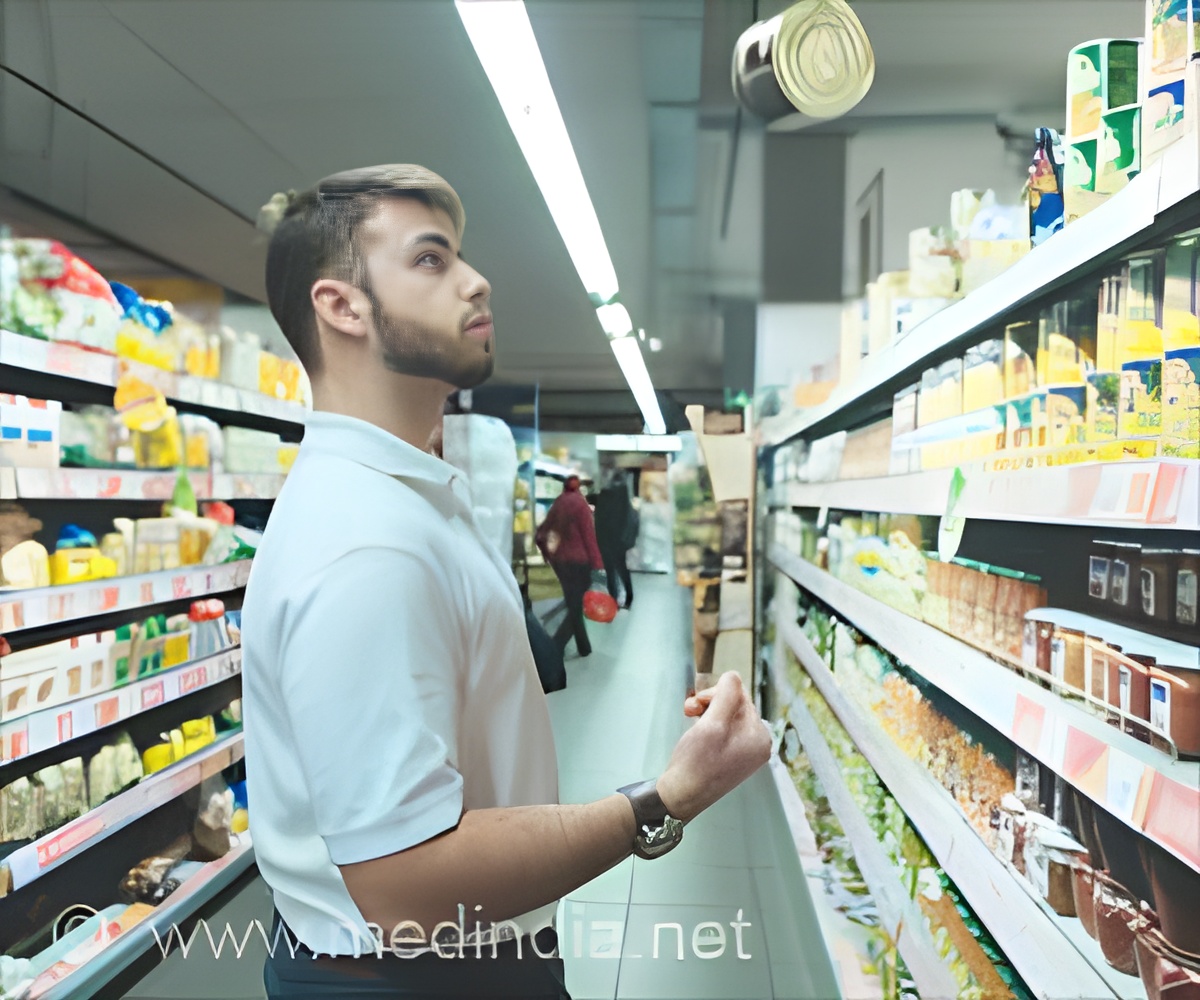
Food Shelf can help an individual to select the groceries based on their food choices and knowledge on how to cook. SuperShelf strives to enhance food shelves by creating a welcoming, grocery store-like environment, making the healthiest choice, the easiest choice.
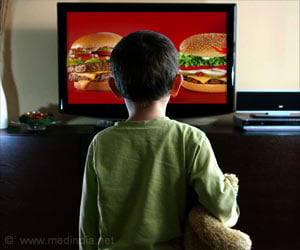
Brain Studies Reveal Child�s Food Choice Influenced by Food Advertisements
Brain imaging studies show that certain regions of the brain are more active when a child watches food advertisements than when watching other advertisements.
Brain imaging studies show that certain regions of the brain are more active when a child watches food advertisements than when watching other advertisements.
TOP INSIGHT

As the number of people using food shelves is increasing, SuperShelf aims to enhance food shelves by creating a welcoming, grocery store-like environment, making the healthiest choice the easiest choice.
Data also revealed the stark realities of living with food insecurity. While the majority of food shelf users have been using their food shelf once a month for a year or more - and almost half combine this resource with SNAP benefits - 67% still can't afford the food they need to feed their family. About the same number are also struggling with chronic health conditions, most of which are impacted by the quality of food that is available.
The survey, which reached both rural and urban communities, was conducted by Hunger Solutions Minnesota and SuperShelf, an initiative led by a collaborative partnership that includes the University of Minnesota Extension and Department of Family Medicine and Community Health, Valley Outreach, The Food Group, and HealthPartners. SuperShelf aims to improve food shelves by creating a welcoming, grocery store-like environment, making the healthiest choice the easiest choice.

Food Choices During Traveling
Diet management while traveling is very important to keep from becoming sick. Here are some tips to healthy travel diet.
Diet management while traveling is very important to keep from becoming sick. Here are some tips to healthy travel diet.
"The role of food shelves has changed over the years, from providing emergency food support to filling a chronic need for food support. SNAP benefits, while helpful, often don't cover the need. The goal of this work was to gather data from the clients themselves to understand the role that the food shelf currently plays in their lives," says Caitlin Caspi, Assistant Professor in the University of Minnesota Medical School's Department of Family Medicine and Community Health who is leading a 5-year evaluation of the SuperShelf initiative, funded by the National Institutes of Health.

Making Unhealthy Food Choices? You Possibly have Low Self-Control
People who choose unhealthy food over healthy food in real time, had a lower self-control.
People who choose unhealthy food over healthy food in real time, had a lower self-control.
The team's researchers are also in the process of doing a qualitative analysis of more than 2,000 stories from food shelf users that describe the lived experience of food insecurity, including the struggle of being unable to feed children. These stories will shine further light onto the ways that food shelves and hunger relief organizations can better meet the needs of the communities they serve. The initiative is working closely with food shelves across the state to use the results of the survey to transform the experience for clients. They plan on repeating the survey at least once more.
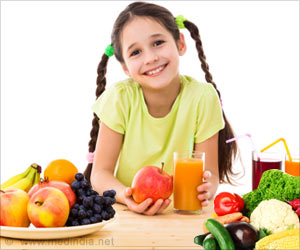
School Food Policies Can Encourage Children to Consume Healthy Snacks
National school food policies can encourage children towards healthy food choices by providing free fruits and vegetables and limiting sugary drinks in schools which can improve overall health.
National school food policies can encourage children towards healthy food choices by providing free fruits and vegetables and limiting sugary drinks in schools which can improve overall health.
 Email
Email