MEDINDIA
 English
 हिन्दी
 Español
 français
 中文
中文
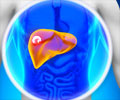
Without infection of the liver, the malaria parasites cannot multiply or spread to the blood stream.
Malaria - Causes, Symptoms, Diagnosis, Prevention, Treatment
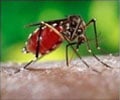
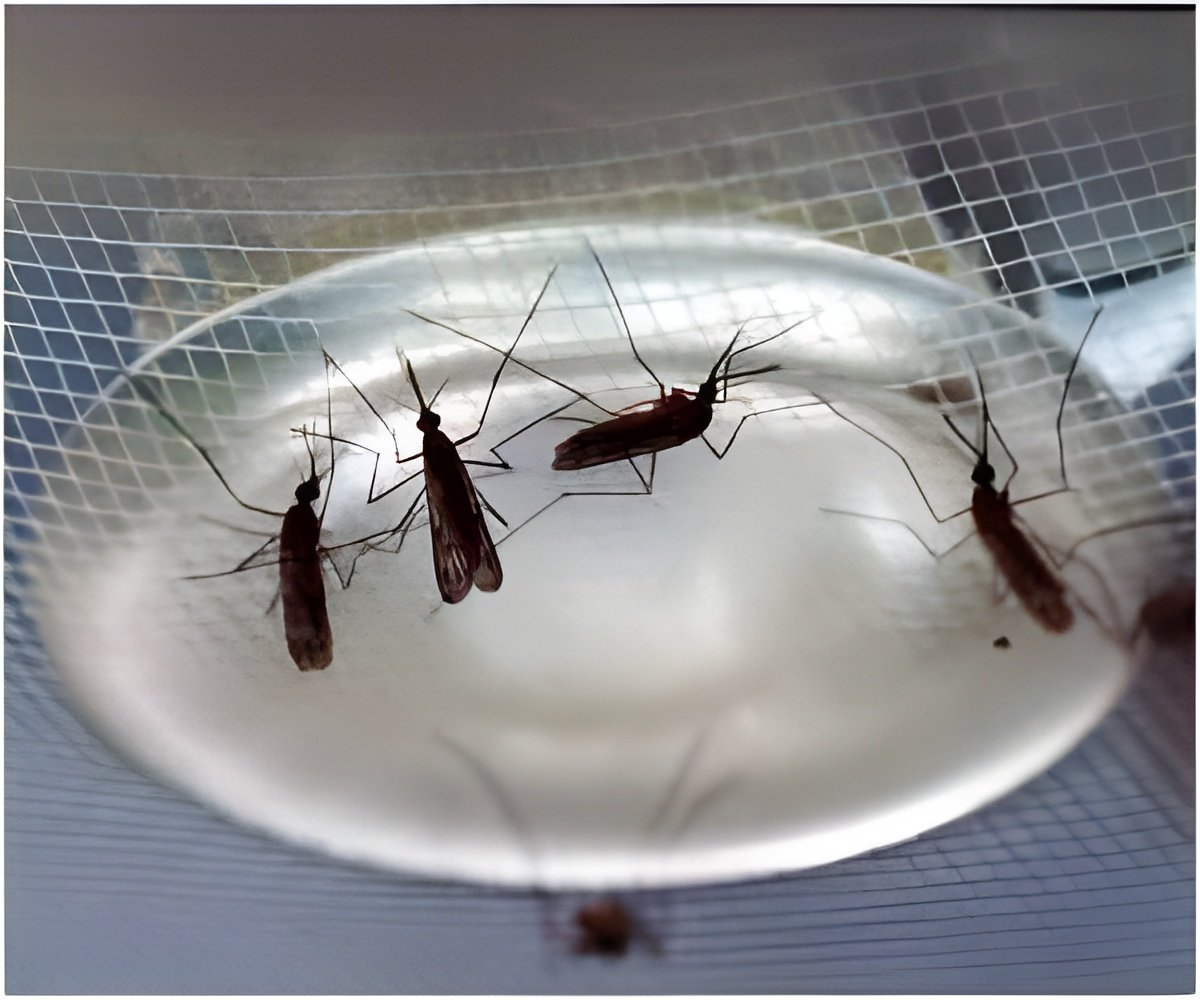
Malaria is caused by a parasite that enters blood through the bite of an infected mosquito. It is characterized by fever, vomiting, shivering, sweating and other symptoms.
Malaria is caused by a parasite that enters blood through the bite of an infected mosquito. It is characterized by fever, vomiting, shivering, sweating and other symptoms.
TOP INSIGHT

The molecular details of how the malarial parasite invades its initial target organ, the liver, will facilitate the design of new drugs and new vaccines.
The discovery was made through collaborative research between the laboratories of Dr. Stefan Kappe, Dr. Noah Sather, and Alexis Kaushansky. The combination of cross-disciplinary, collaborative research and technological approaches has allowed this type of discovery to be possible. As Louis H. Miller, Head of Malaria Cell Biology Section at the National Institutes of Health notes, "The findings on the liver receptor EphA2 for malaria parasite sporozoite invasion of liver cells is a critically important advance and might allow us to devise new strategies to block parasite infection."
The Center has pioneered the systems biology approach to research, which utilizes state-of-the-art technology, fosters collaboration between scientists, and allows for a comprehensive understanding of the interactions between pathogens and their hosts. This method provides an essential path the transformative advances needed to prevent and treat the world's deadliest infectious diseases.
Malaria Waterborne - Causes Transmission Diseases Microscopic Examinations Serological Examinations
Encyclopedia section of medindia gives general information about About Malaria Causes
Encyclopedia section of medindia gives general information about About Malaria Causes

74,000 Likely Cases of Malaria Were Not Treated Due to the Ebola Scare
Tens of thousands of people in Guinea did not seek help for malaria, fearing infection from people with Ebola, or confinement if they showed feverish symptoms.
Tens of thousands of people in Guinea did not seek help for malaria, fearing infection from people with Ebola, or confinement if they showed feverish symptoms.
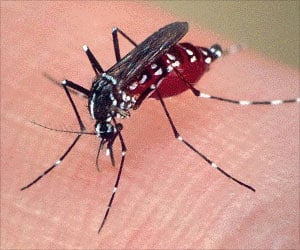
New Mosquito-Targeting Antibody Insecticide Offers Hope of 'Malaria-Free' Future
Recent progress in halting the spread of malaria has hinged on the use of insecticide-treated bed nets and spraying programs that kill mosquitoes.
Recent progress in halting the spread of malaria has hinged on the use of insecticide-treated bed nets and spraying programs that kill mosquitoes.
 Email
Email