MEDINDIA
 English
 हिन्दी
 Español
 français
 中文
中文
Epigentic profile of a child born after the Quebec's Ice Storm (1998) could be predicted by the number of days an expectant mother was deprived of electricity during the storm.
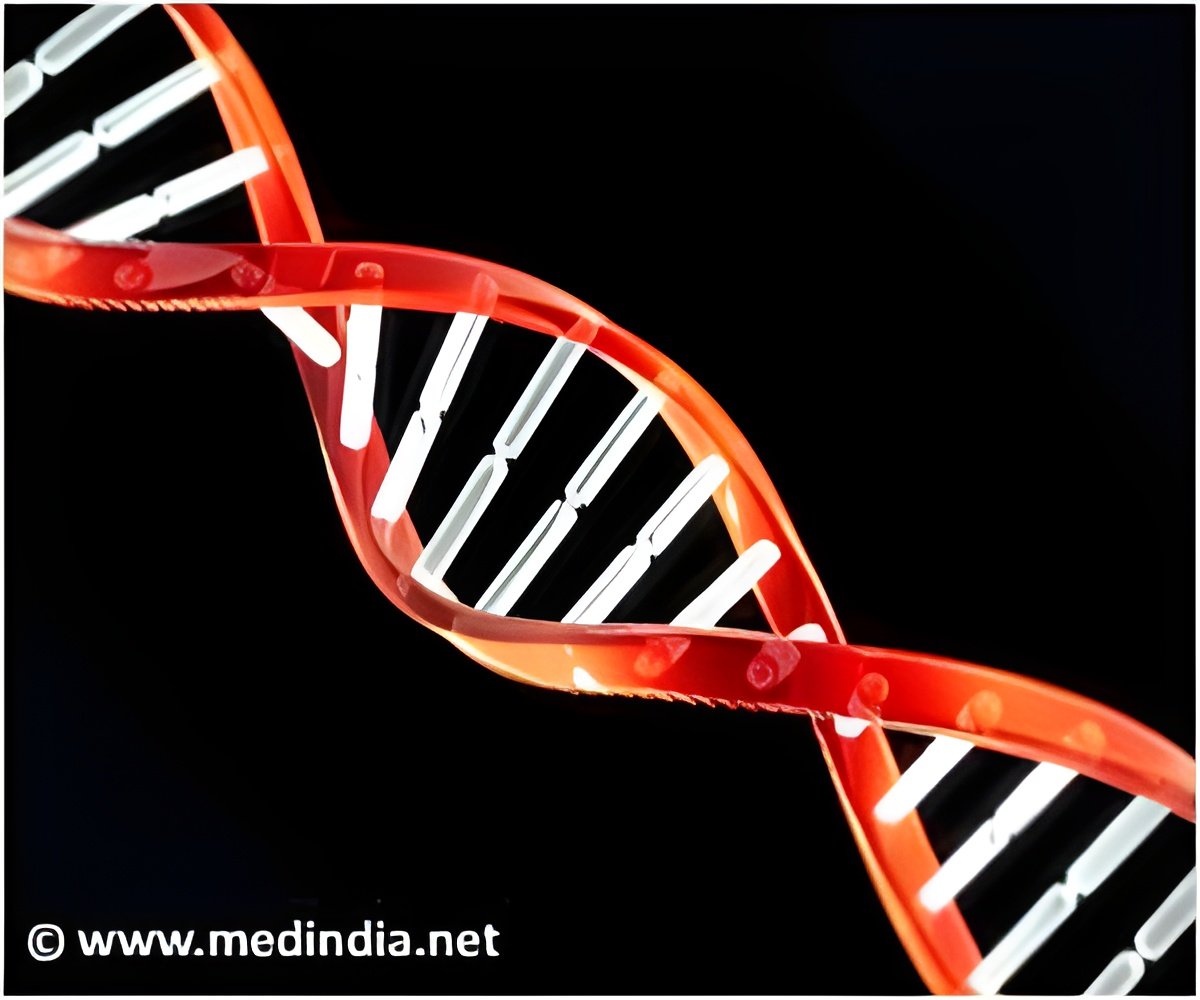
Epigenetics
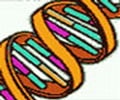
In the recent years ‘epigenetics’ represents inheritable changes in gene expression that do not include DNA alterations.
In the recent years ‘epigenetics’ represents inheritable changes in gene expression that do not include DNA alterations.
The health impacts on these children is less clear, but changes in the family of genes related to immunity and sugar metabolism detected in these babies, now teenagers, may put them at a greater risk to develop asthma, diabetes or obesity.
Source-Eurekalert

Abnormalities in Embryonic DNA Methylation may Cause Early Pregnancy Loss
Early pregnancy loss occurs because of the problems related to biochemical process in the DNA of the embryo.
Early pregnancy loss occurs because of the problems related to biochemical process in the DNA of the embryo.

Pregnancy Confirmation Calculator
Are you pregnant? Use Medindia’s simple and useful calculator to find out whether you are pregnant or not.
Are you pregnant? Use Medindia’s simple and useful calculator to find out whether you are pregnant or not.

Exercise during Pregnancy
Looking for exercises during pregnancy? Use this slideshow as guide to 10 easy and uncomplicated exercises.
Looking for exercises during pregnancy? Use this slideshow as guide to 10 easy and uncomplicated exercises.
 Email
Email