MEDINDIA
 English
 हिन्दी
 Español
 français
 中文
中文
Subclinical hyperthyroidism associated with higher risk of mortality, coronary heart disease and atrial fibrillation, reveals report published in Archives of Internal Medicine.
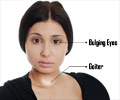
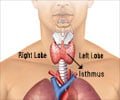
Hyperthyroidism (Overactive Thyroid) - Causes - Symptoms - Diagnosis - Treatment
Hyperthyroidism is a condition in which the thyroid gland makes excessive thyroid hormone. Grave’s disease is the most common cause of hyperthyroidism.
Hyperthyroidism is a condition in which the thyroid gland makes excessive thyroid hormone. Grave’s disease is the most common cause of hyperthyroidism.
Tinh-Hai Collet, M.D., of the University of Lausanne, Switzerland, and colleagues searched the medical literature and analyzed individual data pooled data from 10 prospective cohorts with a total of 52,674 participants with a median age of 59 years and 58.5 percent of them women. Of the participants, 2,188 (4.2 percent) had endogenous subclinical hyperthyroidism.
During follow-up, 8,527 participants died (including 1,896 from CHD), 3,653 had CHD events and 785 had incident AF. In age- and sex-adjusted analyses, subclinical hyperthyroidism, compared with euthyroidism (normal thyroid function) was associated with increased risk of total mortality (hazard ratio [HR] 1.24), CHD mortality (HR, 1.29), CHD events (HR, 1.21) and incident AF (HR, 1.68). CHD mortality and incident AF (but not other outcomes) were "significantly greater" in participants with lower thyrotropin levels, according to the study results.

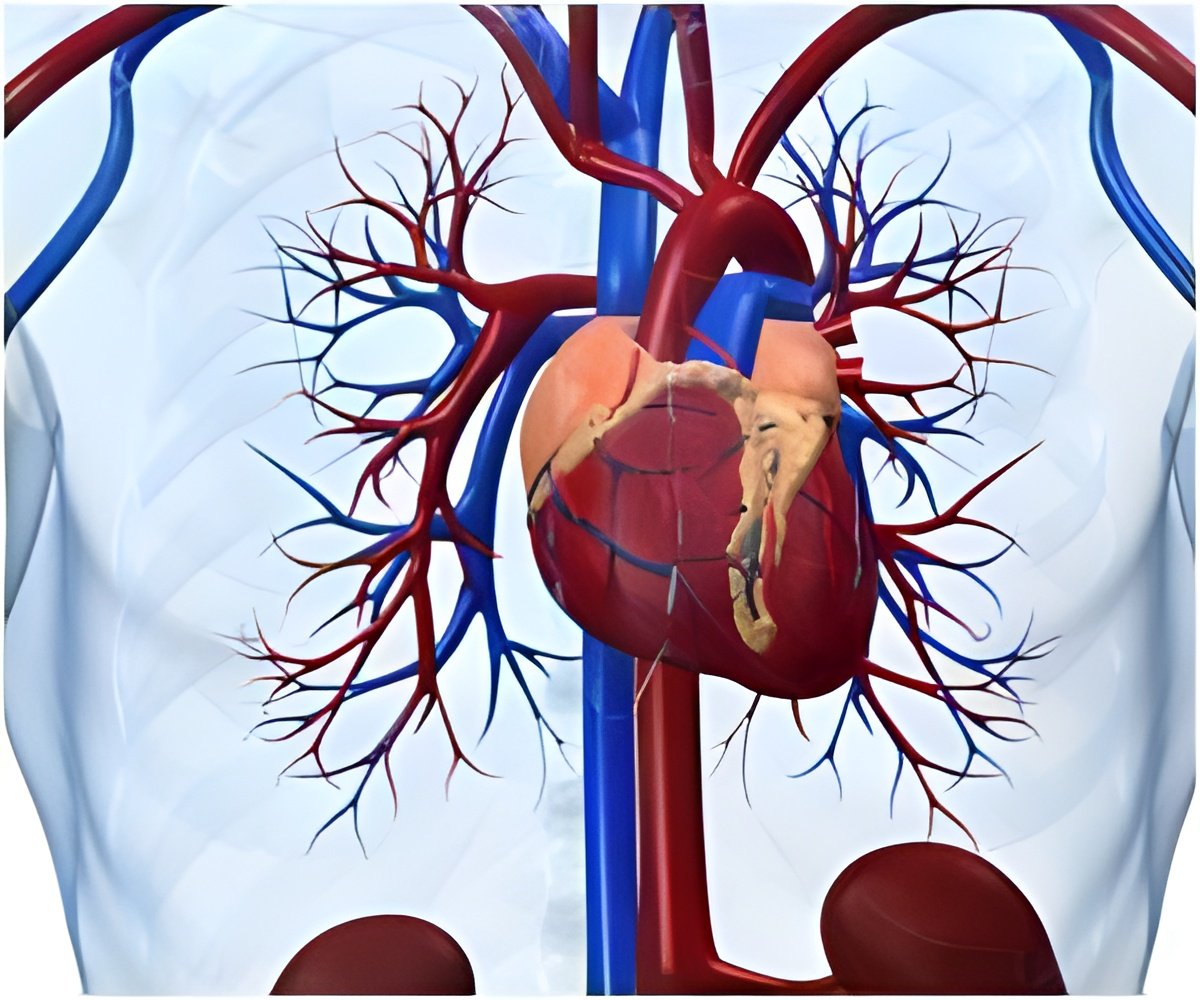
Animation of heart attack symptoms
Heart attack can cause symptoms such as Chest pain or discomfort, Shortness of breath and pain in neck, back, arm, or shoulder and is due to blockage of blood supply to the heart muscles
Heart attack can cause symptoms such as Chest pain or discomfort, Shortness of breath and pain in neck, back, arm, or shoulder and is due to blockage of blood supply to the heart muscles
(Arch Intern Med. Published online April 23, 2012. doi:10.1001/archinternmed.2012.402. Available pre-embargo to the media at www.jamamedia.org.)

Quiz on Thyroid
Feeling tired or depressed is a common enough complaint, particularly among women. Paying attention to the thyroid might do them a world of good. This quiz on the thyroid is intended to educate those who want to learn more.
Feeling tired or depressed is a common enough complaint, particularly among women. Paying attention to the thyroid might do them a world of good. This quiz on the thyroid is intended to educate those who want to learn more.
Invited Commentary: Clinical Importance of Subclinical Hyperthyroidism
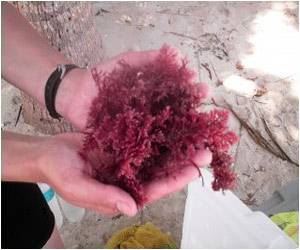
Seaweed Consumption Raises Thyroid Cancer Risk
Postmenopausal women who consume seaweed regularly have a higher risk of developing thyroid cancer, reveals study.
Postmenopausal women who consume seaweed regularly have a higher risk of developing thyroid cancer, reveals study.
"Until further data are available, the relationship between subclinical hyperthyroidism and increased mortality, CHD mortality and atrial fibrillation presently provides sufficient evidence to consider treatment of subclinical hyperthyroidism, especially in elderly patients with cardiac risks, hyperthyroid symptoms or osteoporosis," Burman concludes.
Source-Eurekalert
 Email
Email