MEDINDIA
 English
 हिन्दी
 Español
 français
 中文
中文
Rapeseed (canola) contains high-quality protein. A new study is digging deeper to find out how rapeseed could be used as a protein source for human nutrition.

Is Canola Oil Healthy? - Benefits & Harmful Effects
Canola oil is a genetically modified rapeseed oil. Compared to saturated oils it reduces abdominal fat and bad cholesterol. It is rich in vitamin E and MUFA.
Canola oil is a genetically modified rapeseed oil. Compared to saturated oils it reduces abdominal fat and bad cholesterol. It is rich in vitamin E and MUFA.
TOP INSIGHT

How could bitter rapeseed be used as a protein source for human nutrition? Identifying the key substance that makes protein extracts from rapeseed (canola) taste bitter and inedible could pave the way for developing suitable technological processes or breeding strategies that can be used to produce tasty, protein-rich foods from rapeseed.
Read More..
According to Hofmann, who is also Director of the Leibniz-Institute for Food Systems Biology, it is therefore important to develop new plant protein sources for human nutrition. And rapeseed is a good local source.
Rapeseed Contains High-quality Protein
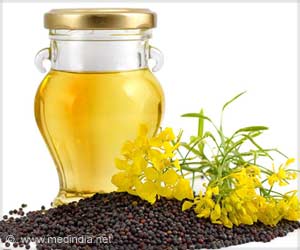
Canola Oil Impairs Learning Ability, Worsens Memory
Canola oil is more harmful than healthful for the brain as it can increase the risk of Alzheimer’s disease.
Canola oil is more harmful than healthful for the brain as it can increase the risk of Alzheimer’s disease.
One reason is that the accompanying substances contained in rapeseed strongly impair the taste of the obtained protein isolates. These substances include, for example, very bitter-tasting secondary plant constituents. Hofmann and his team, therefore, looked into the issue of which bitter substances cause the rapeseed protein's unpleasant bad taste.

Inflammation Decreases With Canola-type Rapeseed Oil
Canola-type rapeseed oil decreases the level of fibrinogen that damages the body's health.
Canola-type rapeseed oil decreases the level of fibrinogen that damages the body's health.
The researchers investigated three different protein isolates using mass spectrometric analysis methods and taste tests. The first isolate was an extract of all the proteins contained in rapeseed meal. The second isolate predominantly contained cruciferin and the third napin, which are the rapeseed's two main storage proteins. All three isolates had a protein content of 80 to 90 percent.

Canola Oil Helps Reduce Abdominal Fat in Four Weeks
Canola oil is a type of rapeseed oil that benefits health. A new study claims that canola oil can reduce abdominal fat when included in the diet for four weeks.
Canola oil is a type of rapeseed oil that benefits health. A new study claims that canola oil can reduce abdominal fat when included in the diet for four weeks.
Starting Point for New Processes
"Since we now know the cause of the bitter off-taste, it is much easier to develop suitable technological processes or breeding strategies that can be used to produce tasty, protein-rich foods from rapeseed," said co-author Corinna Dawid, who heads the Phytometabolomics research group at TUM.
Source-Eurekalert
 Email
Email