MEDINDIA
 English
 हिन्दी
 Español
 français
 中文
中文
The new era of PCOS care depends upon four distinct subgroups, which affects risks and treatments for individualized care.
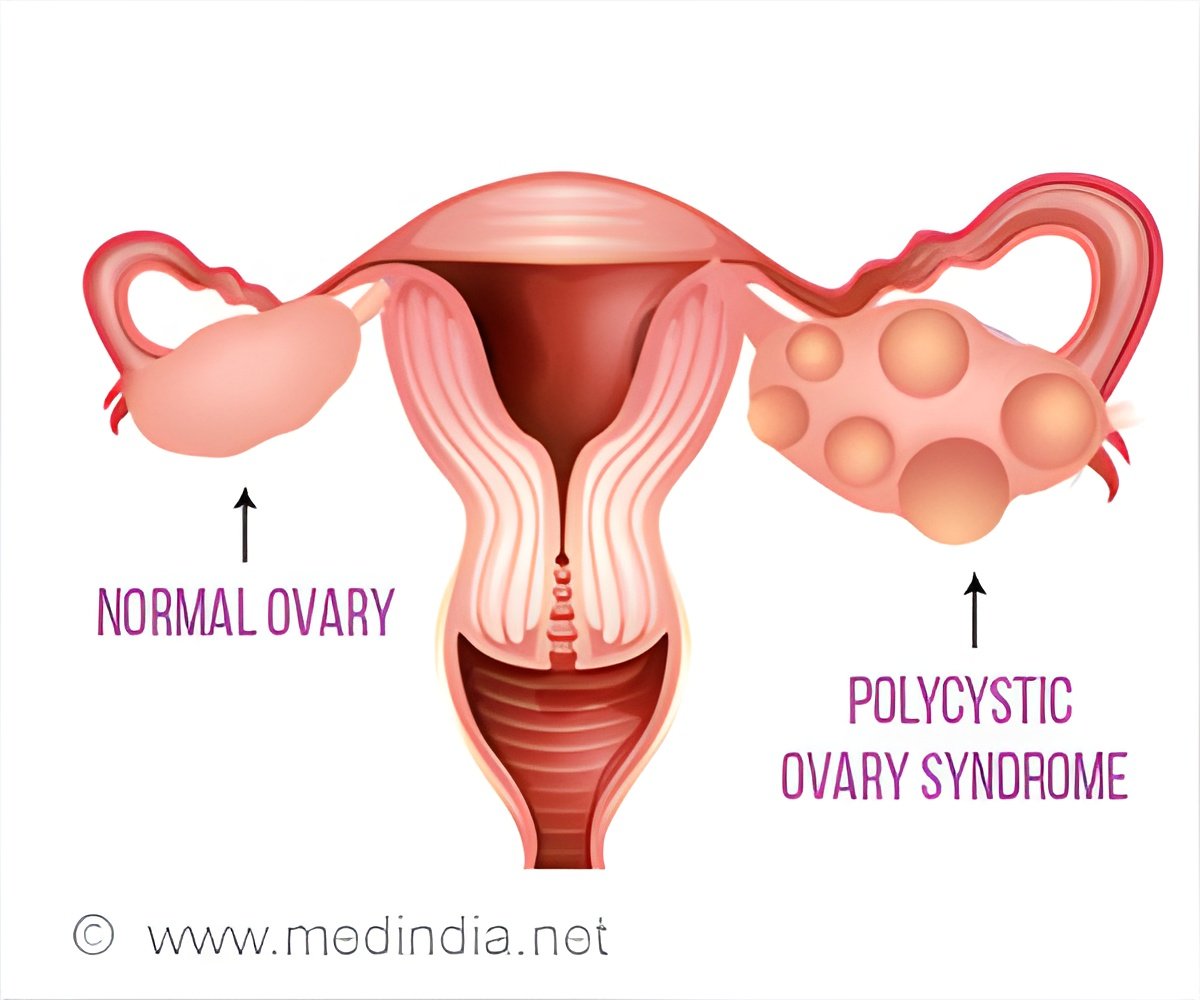
Researchers from Karolinska Institute revealed that more personalized and tailored therapies can be brought about to treat women with this common hormonal disorder. (1✔ ✔Trusted Source
Data-driven subtypes of polycystic ovary syndrome and their association with clinical outcomes
Go to source)
Top 15 Facts and Stats on Polycystic Ovarian Syndrome
Polycystic Ovarian Syndrome (PCOS) is a life-altering hormonal disorder with symptoms ranging from emotional instability to infertility due to excessive male hormone production.
Polycystic Ovarian Syndrome (PCOS) is a life-altering hormonal disorder with symptoms ranging from emotional instability to infertility due to excessive male hormone production.
TOP INSIGHT

Did You Know?
The recognition of subtypes of #PCOS paves way for applying personalized treatments, especially different #IVF strategies work better for particular PCOS subtypes. #polycystic_ovarian #ivf #womensreproductivehealth #medindia
Four PCOS subgroups were identified based on clinical measurements:
• HA-PCOS (Hyperandrogenic phenotype) : Characterized by elevated levels of male sex hormones. This group had the highest risk of miscarriage in the second trimester and the highest incidence of abnormal blood lipids.• OB-PCOS (Overweight-obesity phenotype) : With higher BMI and insulin resistance, this group exhibited the most pronounced metabolic problems, the lowest proportion of live births, but also the highest proportion who recovered from PCOS over time.
• SHBG-PCOS (High level of sex hormone-binding globulin) : A milder form of PCOS with fewer fertility problems and the lowest risk of diabetes and high blood pressure.
• LH-PCOS (Elevated luteinizing hormone and antimüllerian hormone, AMH) : This group had the highest risk of ovarian hyperstimulation syndrome (OHSS) during IVF and the lowest rate of recovery.
The results show clear differences in pregnancy rates, live births, and complications between the subgroups.
Test Your Knowledge on Polycystic Ovarian Syndrome (PCOS)
infertility, obesity and other endocrine and metabolic ...
infertility, obesity and other endocrine and metabolic ...
Tailored IVF Protocols for PCOS Subtypes
“Women with SHBG-PCOS had the best IVF outcomes, while OB-PCOS and HA-PCOS were associated with more miscarriages and metabolic complications such as abnormal blood lipids and type 2 diabetes,” says Elisabet Stener-Victorin, professor of reproductive physiology at the Department of Physiology and Pharmacology, Karolinska Institute and one of the study's leaders.The study also shows that different IVF strategies may work better for certain PCOS subgroups.
“For example, women with HA-PCOS responded better to the transfer of frozen embryos compared to the transfer of fresh embryos – a finding that may influence future treatment practices,” says Elisabet Stener-Victorin.

Ovulation Calculator / Ovulation Calendar / Ovulation Chart
Ovulation calculator helps calculate the exact time of ovulation and assists in family planning.
Ovulation calculator helps calculate the exact time of ovulation and assists in family planning.
Introducing PcosX: The Tool for Subtype Classification
The researchers now hope that the results will pave the way for a new type of personalized care.“By identifying subgroups within PCOS, it is possible to start applying precision medicine, where care can be tailored to each woman's unique risk profile,” says Elisabet Stener-Victorin.
As part of the project, the researchers have developed a web-based tool, PcosX, which makes it possible to classify patients into subgroups based on nine standardized clinical measurements.
“This international collaboration has provided robust evidence that could change how we diagnose, treat, and follow up on women with PCOS. It also emphasizes that treatment can be tailored to the PCOS subtype to better capture the biological variation in PCOS,” says Elisabet Stener-Victorin.
Reference:
- Data-driven subtypes of polycystic ovary syndrome and their association with clinical outcomes - (https://www.nature.com/articles/s41591-025-03984-1)
Source-Eurekalert
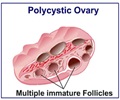
Polycystic Ovarian Syndrome - Overview
Polycystic ovarian syndrome is the most common hormonal disorder among women of reproductive age and can cause infertility.
Polycystic ovarian syndrome is the most common hormonal disorder among women of reproductive age and can cause infertility.
 Email
Email