MEDINDIA
 English
 हिन्दी
 Español
 français
 中文
中文
The comprehensive immune landscape and microbiome of pancreatic cysts outlined shows how they progress from benign cysts to pancreatic cancer.
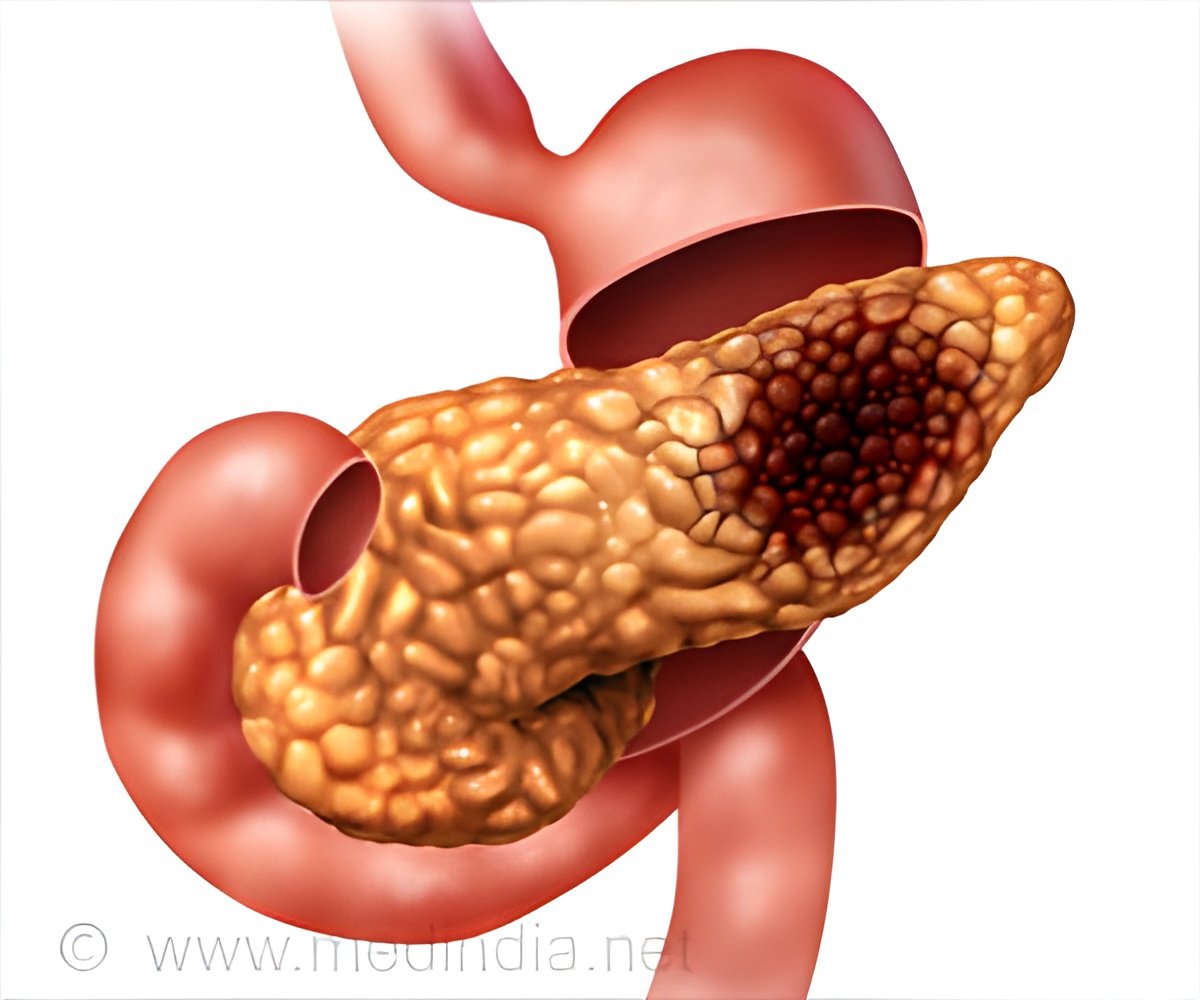
Latest Findings on Pancreatic Cancer
Their findings, published in Lancet Gastroenterology and Hepatology, could reveal the mechanism of neoplastic progression and provide targets for immunotherapy to inhibit progression or treat invasive disease.
Pancreatic Cancer - All About the Disease, its Diagnosis and Management
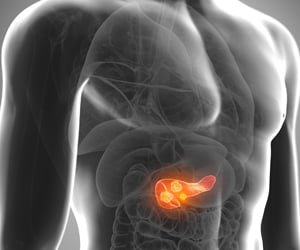
Pancreatic cancer often involves its exocrine part. It grows aggressively, and often detected late. Treatment options include surgery, radiation and chemotherapy.
Pancreatic cancer often involves its exocrine part. It grows aggressively, and often detected late. Treatment options include surgery, radiation and chemotherapy.
TOP INSIGHT

The researchers also suggest that further studies addressing the tumor immune microenvironment of pre-invasive lesions are needed, including assessment of main-duct disease compared with branch-duct disease.
The immune tumor microenvironment of the IPMNs evolves during malignant progression. A tumor microenvironment is the cellular environment that surrounds a tumor and includes immune cells and a stroma that supports other cells and tissues. A tumor and its microenvironment are constantly interacting with the microenvironment influencing both healthy and abnormal cell development (dysplasia).
As neoplasms progress from low-grade dysplasia to high-grade dysplasia and then to invasive carcinoma, a cytotoxic immune response rich in CD8+ T cells changes to an immunosuppressive environment with a measurable inflammatory response.

Quiz on Pancreatic Cancer
Pancreatic cancer is often diagnosed at a late stage and can be fatal. Test your knowledge on pancreatic cancer by taking this quiz.
Pancreatic cancer is often diagnosed at a late stage and can be fatal. Test your knowledge on pancreatic cancer by taking this quiz.
The researchers discuss that with progressive amounts of dysplasia, the tumor microenvironment shows an increase in the concentration of pro-inflammatory and cyst fluid cytokines, which is indicative of a T-cell immunological response. The team’s research suggests that evaluation and characterization of the immune response to IPMNs could allow for early diagnosis, and potentially enhance treatments to halt progression or treat invasive disease.
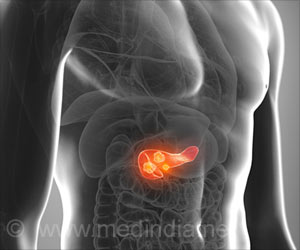
How Does Pancreatic Cancer Develop?
Atlas of pancreas tumors reveals important new findings in treatment resistance, possible new therapies.
Atlas of pancreas tumors reveals important new findings in treatment resistance, possible new therapies.
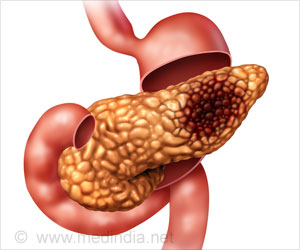
Organoids can Guide Pancreatic Cancer Therapy
Pancreatic cancer organoids help guide decisions about a patient’s initial treatment before tumor-removal surgery.
Pancreatic cancer organoids help guide decisions about a patient’s initial treatment before tumor-removal surgery.
 Email
Email