MEDINDIA
 English
 हिन्दी
 Español
 français
 中文
中文
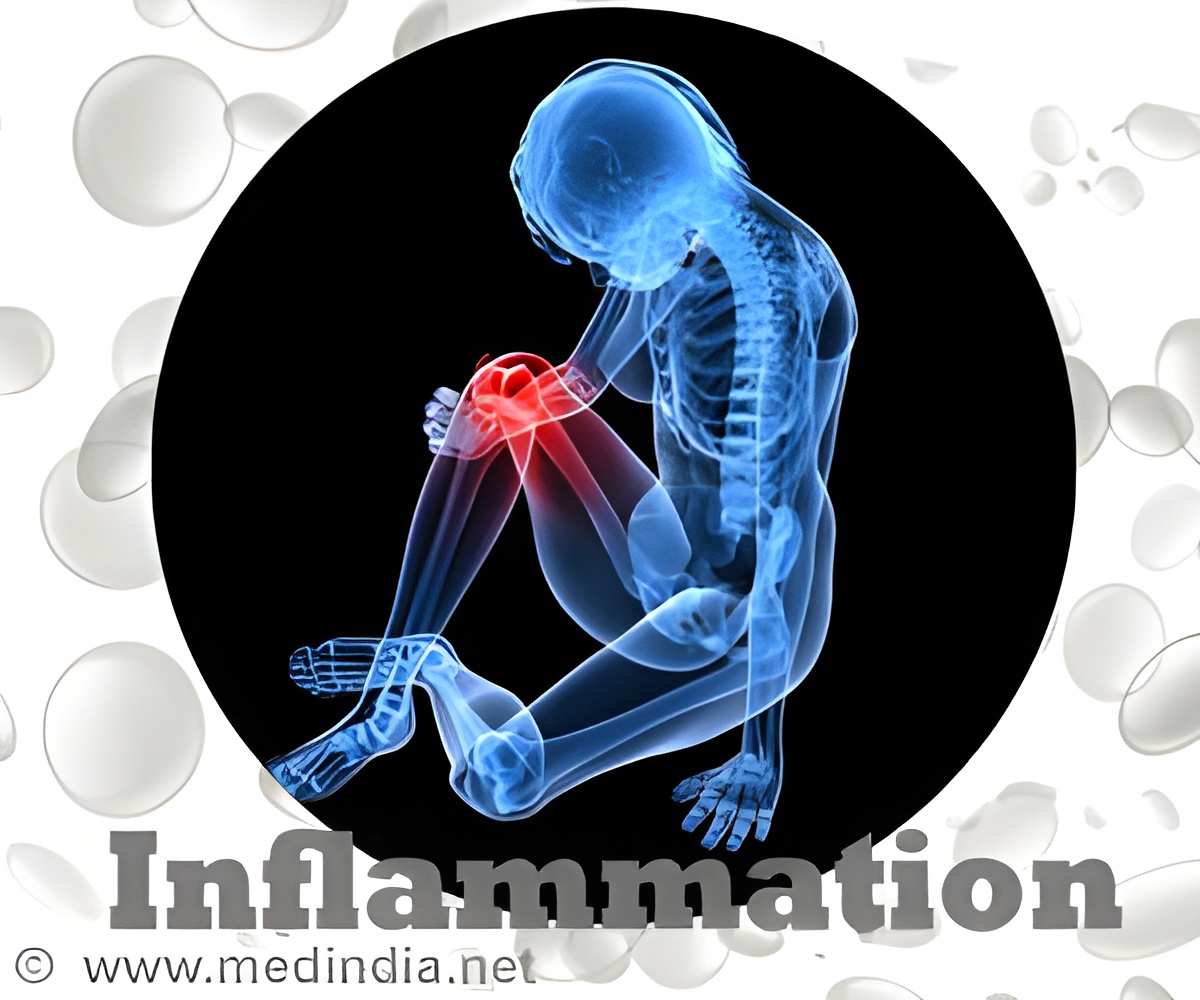
When human body gets injured, the immune cells mount a rapid inflammatory response to protect against infection and helps in healing of the damaged tissue.

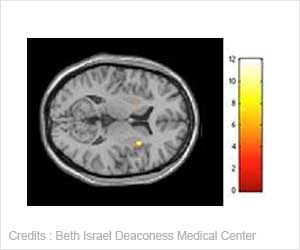
Pain Causes Older Adults to Develop More Inflammation Over Time
When older relatives complain about their pains, show a little empathy, because a new research suggests that as we age, we may all become more sensitive to pain.
When older relatives complain about their pains, show a little empathy, because a new research suggests that as we age, we may all become more sensitive to pain.
TOP INSIGHT

Immune cells play an essential role in the maintenance and repair of our bodies. Immune cells get 'activated' by eating a dying neighbouring cell before they are able to respond to wounds or infection.
In this way, they build up a molecular memory of this meal, which shapes their inflammatory behaviour. Then ingestion of this dying cell activates the damage signalling via a calcium flash, which leads to an increase in the amount of an important damage receptor in the immune cell.
High levels of this receptor then enables the immune cell to sense the damage signals that entice them towards a wound during inflammation. Without this signalling the cells are blind to wounds and infections.

Zinc Levels Linked to Inflammation Among People With HIV
Lower concentrations of serum zinc would be associated with increased serum C-reactive protein (CRP) concentrations in HIV-positive individuals.
Lower concentrations of serum zinc would be associated with increased serum C-reactive protein (CRP) concentrations in HIV-positive individuals.
"This is an exciting advance in our understanding of immune cell behaviour, and takes us a step closer to designing novel therapeutic ways to influence immune cell behaviour within patients in the clinic," said Will Wood, professor and senior research fellow at Wellcome Trust in Britain.

Nanoparticles Designed To Treat Intestinal Inflammation
Nanoparticles reduce the expression of CD98, a glycoprotein that promotes inflammation. This could be used as an effective treatment for inflammation.
Nanoparticles reduce the expression of CD98, a glycoprotein that promotes inflammation. This could be used as an effective treatment for inflammation.

Natural Killer Immune Cells Help to Drive Inflammation
The immune system generally works quite differently for the regulation of insulin resistance in obesity than it does for combating infections.
The immune system generally works quite differently for the regulation of insulin resistance in obesity than it does for combating infections.
 Email
Email