MEDINDIA
 English
 हिन्दी
 Español
 français
 中文
中文
A small molecule called ‘PGE2’ activates specialized immune cells called as innate lymphoid cells to maintain a barrier between the gut and the body.
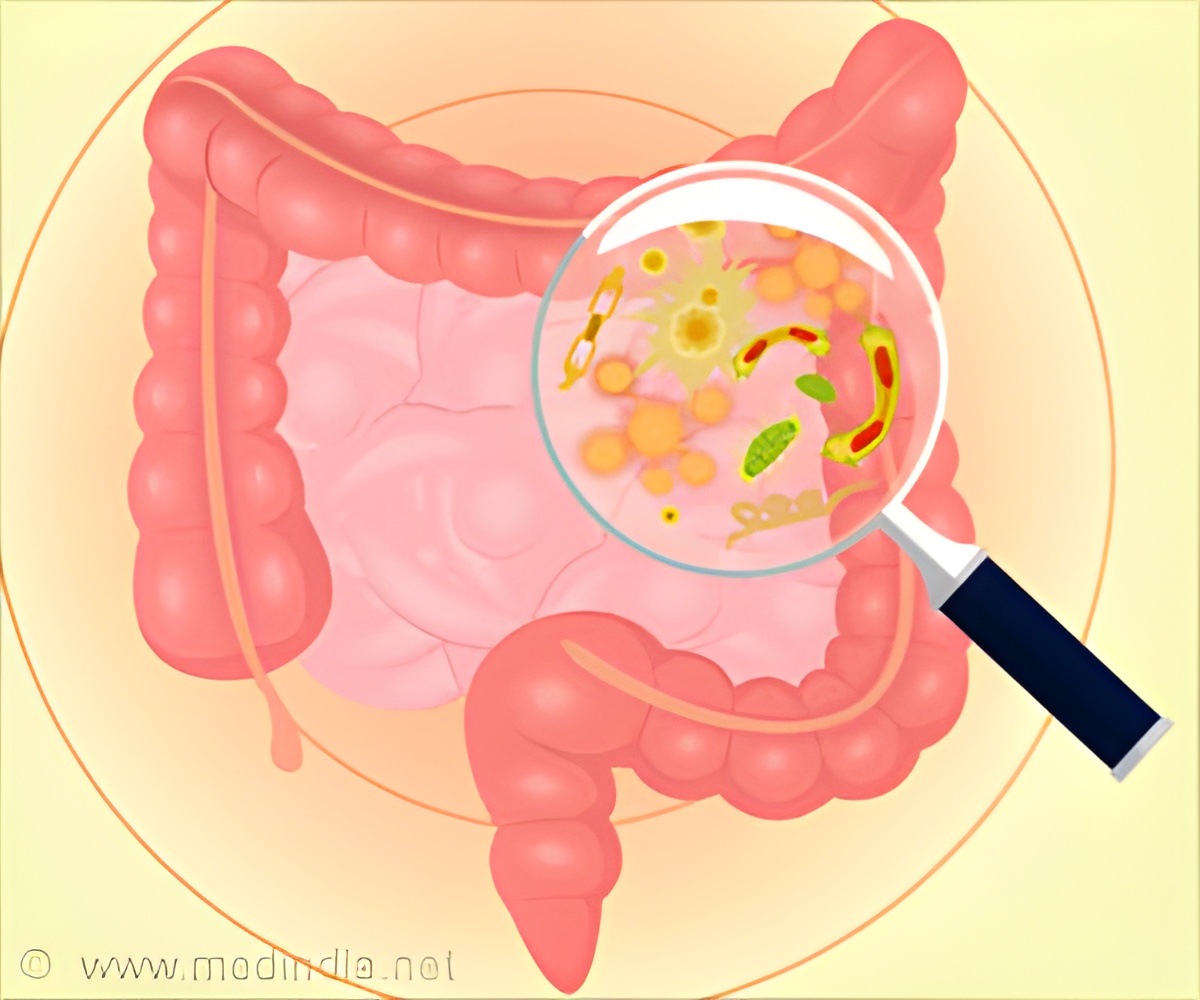

Biological Makeup and Gestational Age Influence Gut Bacteria in Preemies
Biological makeup and gestational age play a more significant role in the population of gut bacteria compared to environmental factors.
Biological makeup and gestational age play a more significant role in the population of gut bacteria compared to environmental factors.
TOP INSIGHT

An immune system failure triggers the bacteria to escape from the gut and causes a massive inflammatory response, which can lead to multiple organ failures.
"Our study reveals a new approach that could be exploited as a treatment to help prevent one of the common causes of sepsis," Yao added.
The study, published in the journal Science, also helps explain why we do not suffer more infections, despite the vast number of bacteria that are found naturally in our gut.
Modern Lifestyle Practices may Diminish the Variety of Gut Bacteria that Digests Food
Western lifestyle including diet, sanitation, and clinical practices are reasons that altered the gut microbiome and decrease its diversity.
Western lifestyle including diet, sanitation, and clinical practices are reasons that altered the gut microbiome and decrease its diversity.
They found that a small molecule called "PGE2" plays a crucial role by activating specialized immune cells called innate lymphoid cells. These cells help to maintain the barrier between the gut and the rest of the body.

Gut Bacteria May Help in Prediction and Prevention of Bowel Diseases
Abundant microbe populations have been thought to have roles in obesity, diabetes and inflammatory bowel diseases such as Crohn's disease.
Abundant microbe populations have been thought to have roles in obesity, diabetes and inflammatory bowel diseases such as Crohn's disease.
The findings could lead to new approaches for preventing whole-body infections which can be life-threatening if they are not caught early.

Gut Bacteria Involved in Crohn's Disease Discovered
Though the exact causes of Crohn's disease are not very well understood, research has found an abnormal immune response developed to microbes in the gut
Though the exact causes of Crohn's disease are not very well understood, research has found an abnormal immune response developed to microbes in the gut
Source-IANS
 Email
Email