Researchers led by Leemor Joshua-Tor at Cold Spring Harbor Laboratory (CSHL) have shed new light on how a protein called Dis312 makes use of numerous recognition sites.
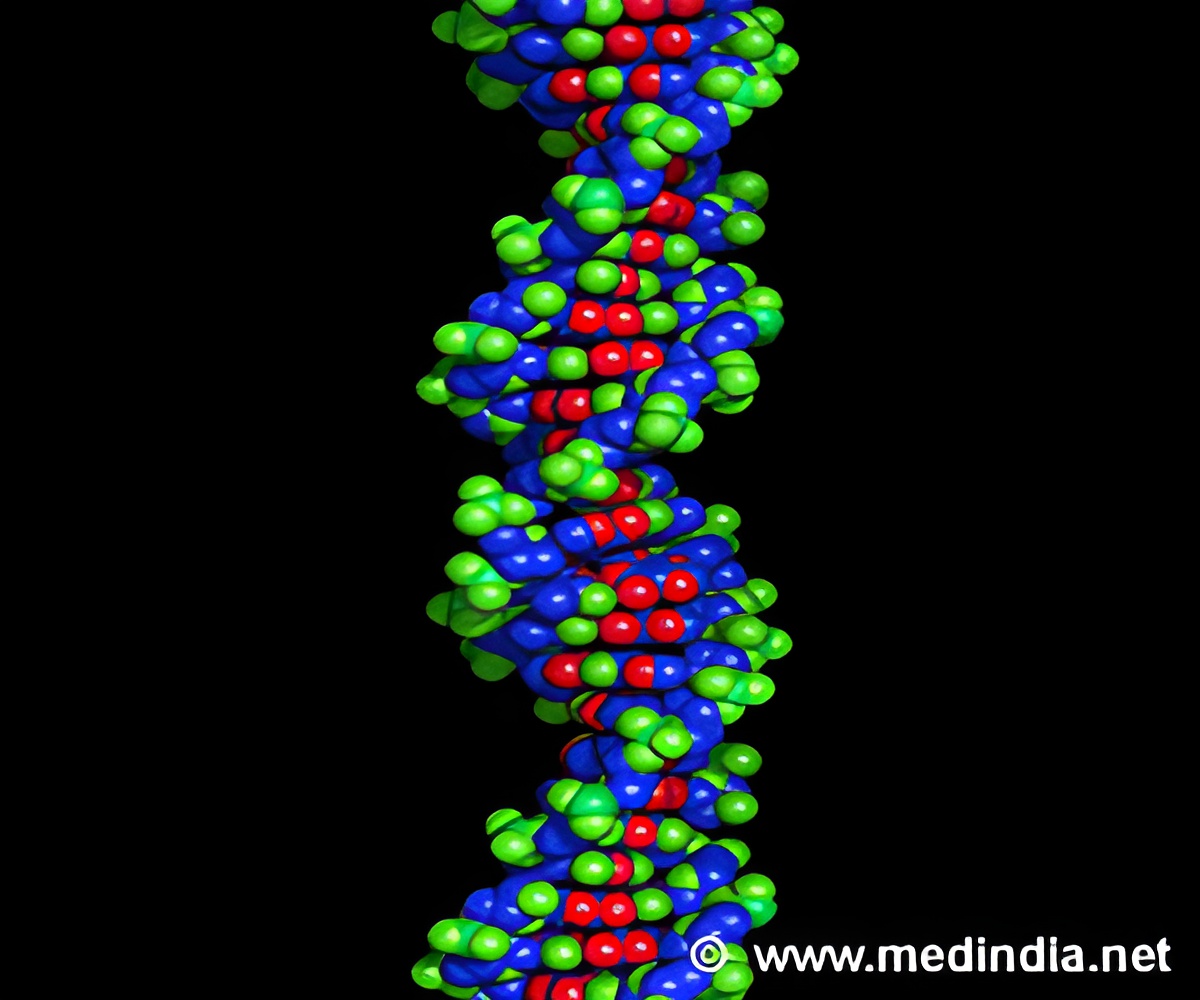
About Genetic Testing
Genetic testing helps to confirm a genetic condition in an individual and involves q complex laboratory techniques
Genetic testing helps to confirm a genetic condition in an individual and involves q complex laboratory techniques
The CSHL scientists set out to understand how Dis3l2 is able to read and distinguish between these two chains. In work published today in Nature, they used a type of molecular photography, known as X-ray crystallography, to observe the structure of Dis3l2 while bound to a poly-U chain. "We saw that the enzyme looks a lot like funnel, quite wide at the top and narrow at the base," says Joshua-Tor. "The poly-U chain inserts itself into the depths of this funnel while the rest of the bulky message can remain in the wide mouth at the top."
But how does the enzyme "read" the poly-U chain? Christopher Faehnle, PhD and Jack Walleshauser, lead authors on the paper, found that the interior of the funnel contains more than a dozen contacts that interact specifically with the poly-U chain. "Together, all of these points create a sticky web that holds the poly-U sequence deep within the enzyme," says Faehnle. "But other chains don't interact – they can slide right out. It has helped us understand how an enzyme can differentiate between two sequences in the cell."
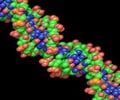
Epigenetics
In the recent years ‘epigenetics’ represents inheritable changes in gene expression that do not include DNA alterations.
In the recent years ‘epigenetics’ represents inheritable changes in gene expression that do not include DNA alterations.
Advertisement
Birth Defects - Genetic - Achondroplasia
Achondroplasia is a genetic disorder which is one of the leading causes of dwarfism
Achondroplasia is a genetic disorder which is one of the leading causes of dwarfism