MEDINDIA
 English
 हिन्दी
 Español
 français
 中文
中文
Hospital procedures are associated with the health effects of air pollution exposure.
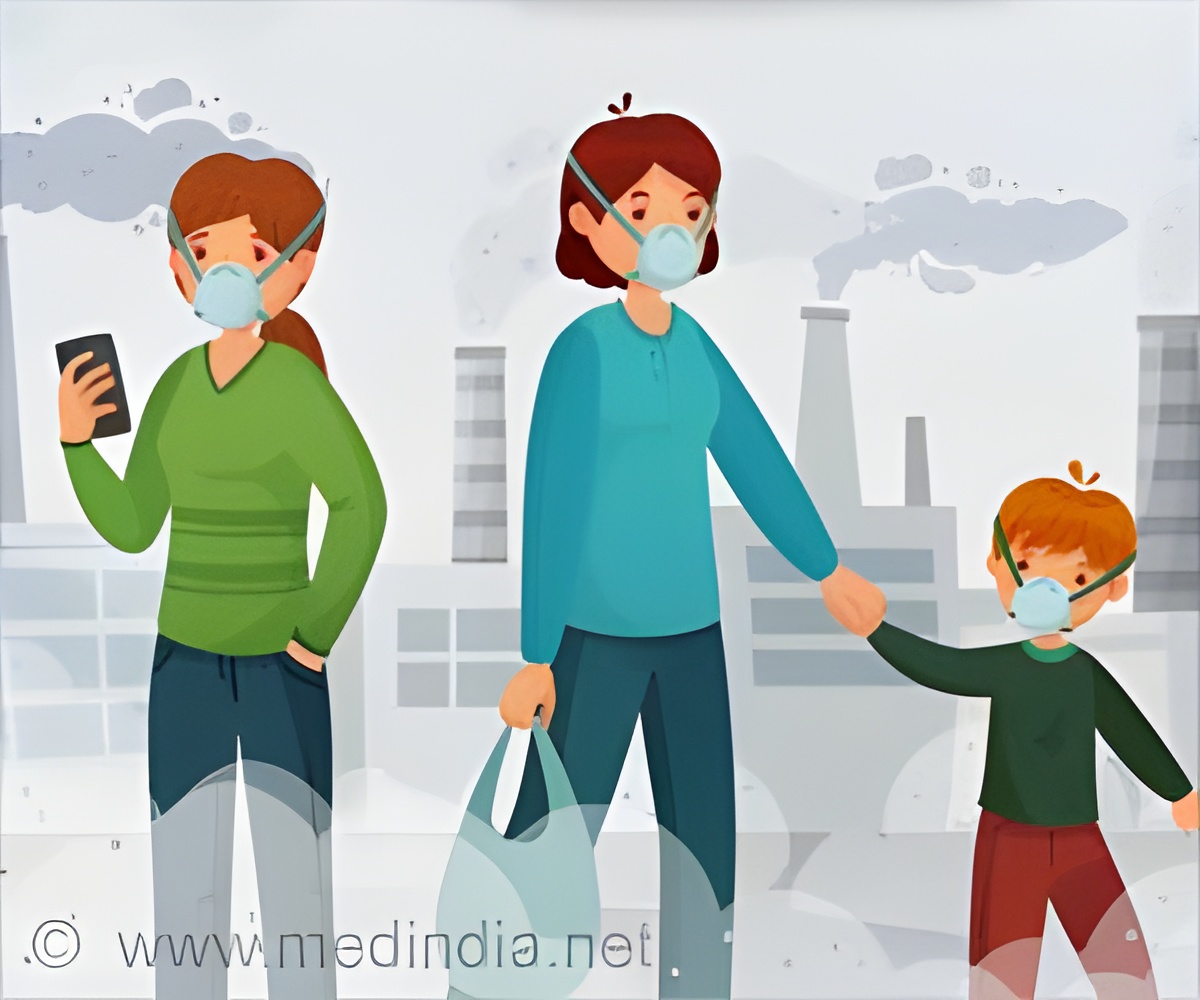

Air Pollution - Pollutants - Health Effect - Efforts to Reduce
Nearly 2.4 million deaths every year are attributable to air pollution. Air pollutants may be solid particles, liquid droplets or gases. Proper planning methods should be adopted to reduce air pollution.
Nearly 2.4 million deaths every year are attributable to air pollution. Air pollutants may be solid particles, liquid droplets or gases. Proper planning methods should be adopted to reduce air pollution.
TOP INSIGHT

A higher performance of diagnostic procedures is linked to increased PM2.5 exposure.
Who Is Most at Risk for Particulate Matter in Hospital Procedures?
The analysis revealed that three specific procedures were significantly more likely to be performed on patients with increased PM2.5 exposure: stress tests (6.84% increase per 1 μg/m3 increase in PM2.5), glycosylated hemoglobin tests, which screen for diabetes (10.8% increase), and prothrombin time tests, which evaluate blood clotting (15.8% increase). Prothrombin time tests remained significantly linked to this exposure even after adjusting for access to healthcare and healthy food based on county.Since all three of these tests relate to diagnostic testing for cardiorespiratory health, the authors posit that their results provide evidence of patients with high PM2.5 exposure experiencing more cardiovascular morbidity, prompting healthcare professionals to perform more diagnostic tests.
The health records that form the basis of this research did not include individual-level socioeconomic data, nor data on procedures that may have been performed outside of the University of North Carolina Healthcare System (unless the records were transferred). Nonetheless, these results will assist future researchers in better estimating the burden of PM2.5 exposure on patients and hospital systems.

Breathing Clean: Importance of Tackling Indoor Air Pollution
This article discusses the sources and health effects of indoor air pollution and provides solutions such as proper ventilation and air purifiers.
This article discusses the sources and health effects of indoor air pollution and provides solutions such as proper ventilation and air purifiers.
Source-Eurekalert

Air Pollution May Increase the Risk of Dementia
Researchers looked at 16 papers and discovered recurrent proof of a link between hazardous air particles called PM 2.5 and dementia.
Researchers looked at 16 papers and discovered recurrent proof of a link between hazardous air particles called PM 2.5 and dementia.
Air Pollution can Double the Risk of Bone Damage
Recent study shows that nitrous oxide, which is an air pollutant, can double the risk of bone damage
Recent study shows that nitrous oxide, which is an air pollutant, can double the risk of bone damage
 Email
Email