MEDINDIA
 English
 हिन्दी
 Español
 français
 中文
中文
Housing First , a program to end homelessness in the US, has shown that people are able to move forward with their lives if they are first housed.
Homelessness Strikes Hard in Washington
In the greater Washington area, on a single day in June, some 1,900 families were homeless, up 11 percent from a year earlier, according to a report.
In the greater Washington area, on a single day in June, some 1,900 families were homeless, up 11 percent from a year earlier, according to a report.
There was a significant 53% drop in the number of days spent experiencing alcohol-related problems among the Housing First group compared with the treatment-as-usual group. At the start of the study, participants in the Housing First group on average experienced alcohol problems on 4.3 out of 30 days. By the end of the study, this number decreased to 1.7 days. In comparison, the treatment-as-usual group experienced alcohol problems on 3.4 out of 30 days at the start of the study start, which decreased to 2.9 days by the end.
In addition, the amount of money they spent on alcohol in the previous 30 days dropped significantly. The severity of substance use fell by 28% after 12 months for Housing First compared to treatment-as-usual participants, but wasn't statistically significant at 24 months.

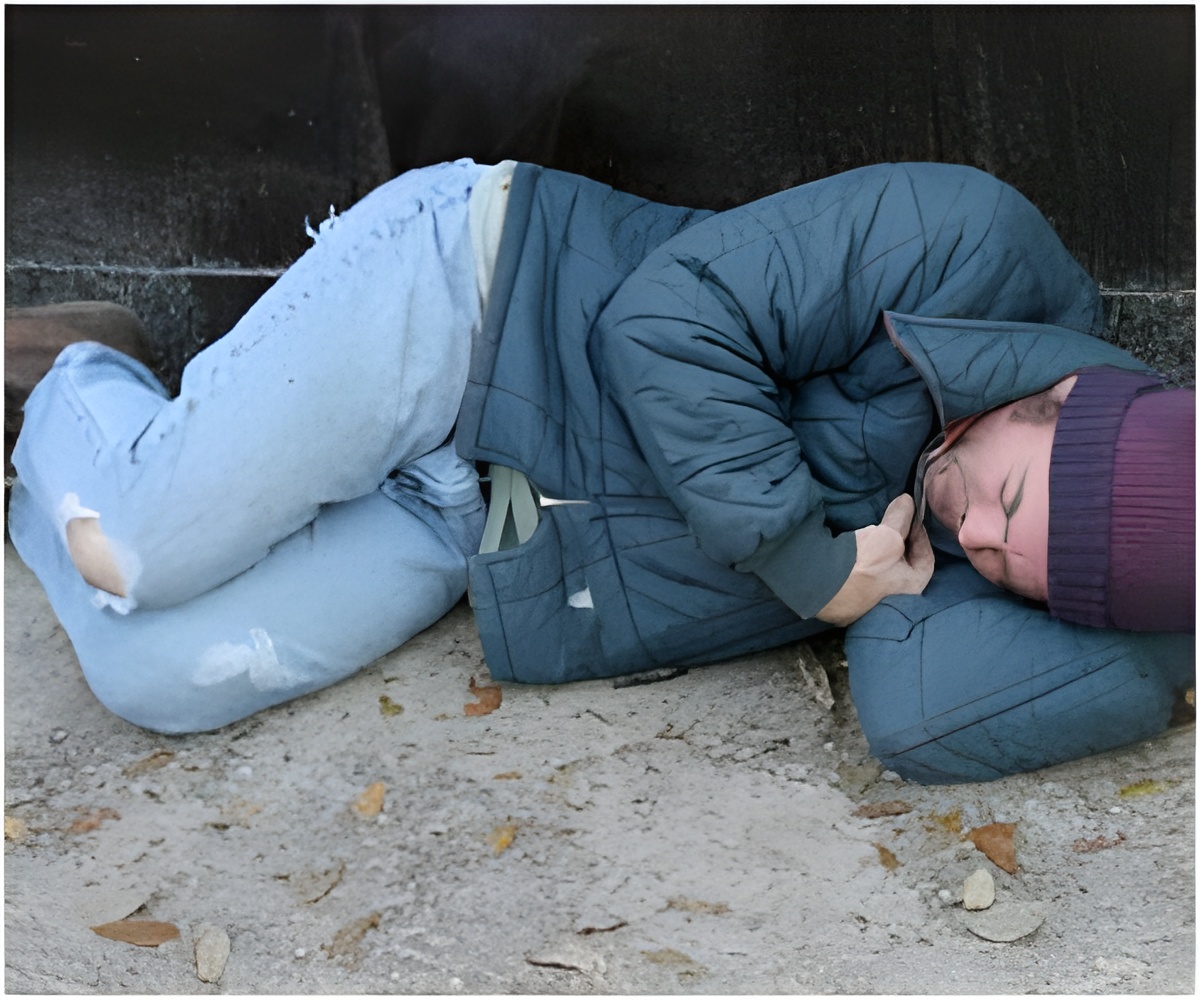
Los Angeles Begins With Its Homeless Count That Takes Place Every Two Years Across the Entire County
The downtown Los Angeles district is sometimes called the homeless capital of America as scores of tents and makeshift shelters are erected for the night, all along the sidewalks.
The downtown Los Angeles district is sometimes called the homeless capital of America as scores of tents and makeshift shelters are erected for the night, all along the sidewalks.
The study participants were primarily men in the 40s. The most common mental health diagnoses were substance dependence or abuse (46%), major depression (45%), alcohol dependence of abuse (40%), post-traumatic stress disorder (29%) and psychotic disorder (26%).

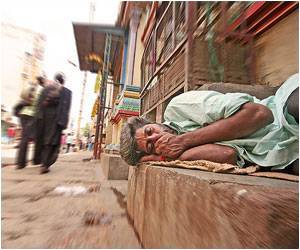
Homeless, Mentally Challenged Women Face Vicious Cycle in India
An award-winning study by a Loyola University Chicago Stritch School of Medicine researcher has documented how homeless, mentally ill women in India face a vicious cycle.
An award-winning study by a Loyola University Chicago Stritch School of Medicine researcher has documented how homeless, mentally ill women in India face a vicious cycle.
Source-Eurekalert

Large Scale Social Policy Changes as Important as Treating Ill Health Among Homeless People: Study
Improving the health of homeless people is not enough.
Improving the health of homeless people is not enough.
 Email
Email