MEDINDIA
 English
 हिन्दी
 Español
 français
 中文
中文
Wild Bitter Gourd supplementation improves metabolic syndrome and has immense potential to benefit people living with it.

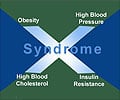
Metabolic Syndrome - About
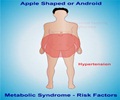
Metabolic Syndrome is associated with sedentary lifestyle .It makes a person more prone to develop type 2 diabetes and coronary artery disease.
Metabolic Syndrome is associated with sedentary lifestyle .It makes a person more prone to develop type 2 diabetes and coronary artery disease.
Mechanism of action:
It has been known that Peroxisome Proliferator-activated receptors (PPARs) are nuclear receptors that control lipid and carbohydrate metabolism. The activation of these receptors helps to treat MetS.
In animal models, WBG has been seen to up-regulate PPARγ and PPARα-mediated pathways which are associated with improved MetS, together with the long established evidence of Bitter Gourd’s role in the improvement of insulin resistance.
Therefore a study was conducted to evaluate the role of wild bitter gourd supplementation on MetS in Taiwanese adults.
The MetS incidence rate was seen to decrease by 7.1 percent in the visit 2 versus 11.9 percent in visit 7 as compared to that at baseline (visit 1). The decrease in incidence rate was highest at the end of the three-month supplementation period and it was significantly different from that at baseline.

Herbs for Weight Loss: Pros and Cons
Can herbs really cause weight loss? Are they effective when used alone? Find out …
Can herbs really cause weight loss? Are they effective when used alone? Find out …
The study clearly proves that WBG supplementation improves metabolic syndrome and has immense potential to benefit people living with it. The study forms a firm base for further studies to evaluate the efficacy of WBG supplementation.
Reference: Wild bitter gourd improves metabolic syndrome: A preliminary dietary supplementation trial; Chung Huang et al; Nutrition Journal 2012.
Source-Medindia
 Email
Email