MEDINDIA
 English
 हिन्दी
 Español
 français
 中文
中文
Stem cells may be used in future to bio-engineer vein grafts for bypass surgery. Such a graft was used in an extra-hepatic portal vein obstruction.
Coronary Artery Bypass Grafting (CABG) | Coronary Artery Bypass Surgery
Coronary artery bypass grafting (CABG) or heart bypass surgery is an open heart surgery to relieve the blockages of the arteries of the heart. Coronary artery bypass surgery lasts up to 3 to 6 hours.
Coronary artery bypass grafting (CABG) or heart bypass surgery is an open heart surgery to relieve the blockages of the arteries of the heart. Coronary artery bypass surgery lasts up to 3 to 6 hours.
In this new procedure, the research team bio-engineered a vein for the girl using the following technique -
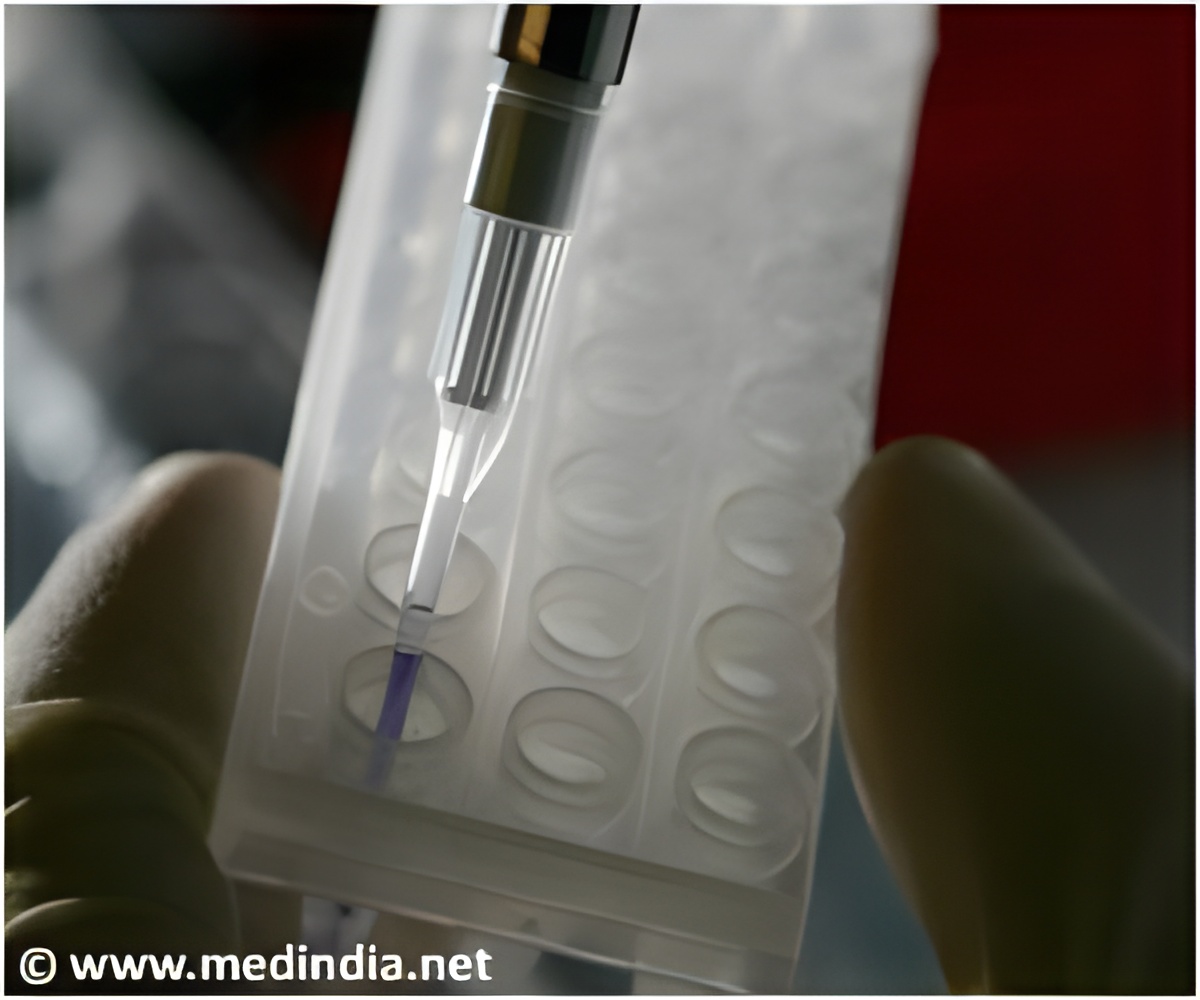
Initially, a 9-cm vein section or graft was obtained from a 30-year old organ donor and the cells from the vein were removed using buffer and enzyme solutions over a period of 12 days.

The Cause and Clinical Outcome of Portal Vein Thrombosis | MedIndia:
In a sample of 118 patients with portal vein thrombosis,patients with noncirrhotic and nontumoral extrahepatic portal vein obstruction are young
In a sample of 118 patients with portal vein thrombosis,patients with noncirrhotic and nontumoral extrahepatic portal vein obstruction are young
Next, endothelial and smooth muscle cells were prepared from the girl’s bone marrow and placed in the vein graft for giving it a new layer of cells that would not work as antigens.

Once the vein was ready, it was used to overcome the blockage by a surgical procedure.
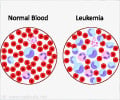
Chronic Lymphocytic Leukemia
Chronic Lymphocytic Leukemia (CLL) is one of the most common types of adult leukemia and is considered as one of the ‘good cancers’.
Chronic Lymphocytic Leukemia (CLL) is one of the most common types of adult leukemia and is considered as one of the ‘good cancers’.
The bypass graft instantly provided the patient an efficient blood supply of 25-30 cm/s in the portal vein and 40 mL/s in the artery. Following a revised procedure a year later, the portal blood flow resulted in significant improvement in the patient’s physical and mental development and ability. One year after surgery, the patient had a 6 cm height (137 cm to 143 cm) and 5 kg weight increase (30 kg to 35 kg). Though no mental cognition assessment was conducted, the patient’s parents described improvement in physical activity (2-3 km walks, simple gymnastics), speech and focus in school.
This study has given encouraging initial results and shown how stem cells may be used in future for bioengineering vein grafts and provides hope to patients especially in difficult situations as it was in this 10-year old girl.
Reference: Transplantation of an allogeneic vein bioengineered with autologous stem cells: a proof-of-concept study; Michael Olausson et al; The Lancet 2012
Source-Medindia
 Email
Email