MEDINDIA
 English
 हिन्दी
 Español
 français
 中文
中文
Though recent research points out two-thirds of all cancers are biological bad luck, there are enough preventable measures we can follow.
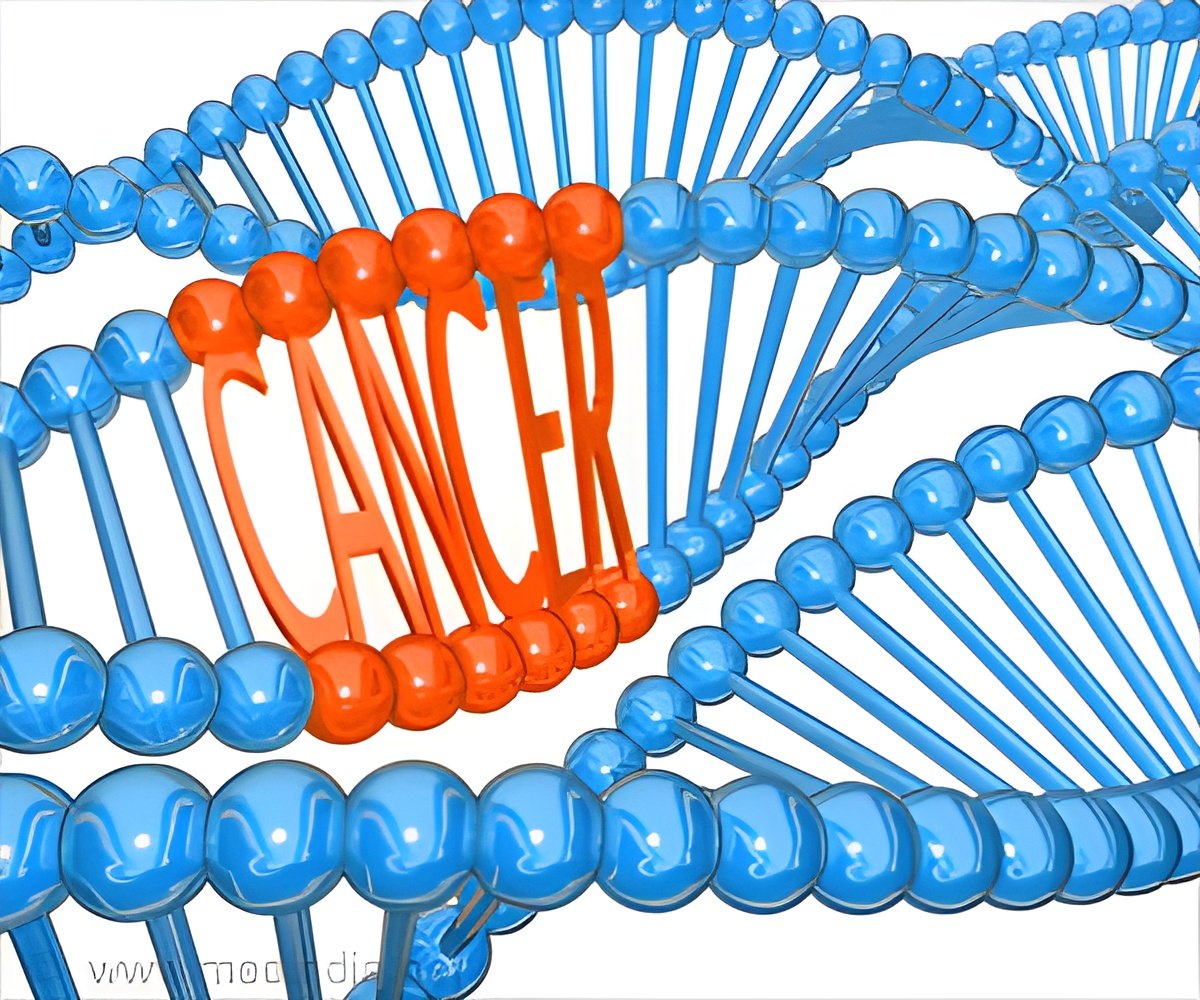
Random Stem Cells Mutations Plays Predominant Role in Cancer
A statistical model that measures the proportion of cancer incidence, across many tissue types, caused mainly by random mutations that occur when stem cells divide has been developed by scientists.
A statistical model that measures the proportion of cancer incidence, across many tissue types, caused mainly by random mutations that occur when stem cells divide has been developed by scientists.
However, this paper in Science as well as the news coverage of this study came under heavy criticism. On 13 January 2015, the International Agency for Research on Cancer (IARC), the cancer arm of the World Health Organization (WHO) issued a press release pointing out the likely negative impact of this study on cancer research and public health perspectives. If cancer is the result of biological bad luck, it would be considered a waste of research resources in looking for further causes.
IARC experts pointed out gaps in epidemiological evidence along with methodological concerns in this study. IARC director Dr Christopher Wild said that it was already known that an individual developing cancer includes a certain element of chance but concluding that “biological bad luck” is the major cause of cancer would negatively impact efforts to identify the cause and prevent the disease.

Bad Luck is Responsible for Two-Thirds of Cancers Says a New Study
Bad luck is responsible for two-thirds of adult cancer, says a breakthrough study from John Hopkins Kimmel Cancer Center.
Bad luck is responsible for two-thirds of adult cancer, says a breakthrough study from John Hopkins Kimmel Cancer Center.
Lifestyle Factors to Prevent Cancer:
- Non-smoking of cigarettes
- Healthy weight
- Eating fruits and vegetables
- Drinking less alcohol
- Being sun smart – avoiding strong radiation from UV rays
- Eating less red meat
- Avoiding processed and packaged foods
- Eating a high-fibre diet
- Being active and exercising healthy
- Eating less salt
- Avoiding work risks like working with asbestos
- Minimizing infections like HPV (human papilloma virus)
- Minimizing radiation like avoiding unnecessary x-rays
- Breastfeeding if possible
- Minimizing HRT (hormone replacement therapy)

Luck Plays Greater Role in Cancer Than Genes and Environment
The role of bad luck is more in cancer cause than genes and environment, claim scientists, with a statistical model that measures the proportion of cancer incidence.
The role of bad luck is more in cancer cause than genes and environment, claim scientists, with a statistical model that measures the proportion of cancer incidence.
 Email
Email