MEDINDIA
 English
 हिन्दी
 Español
 français
 中文
中文
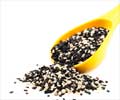
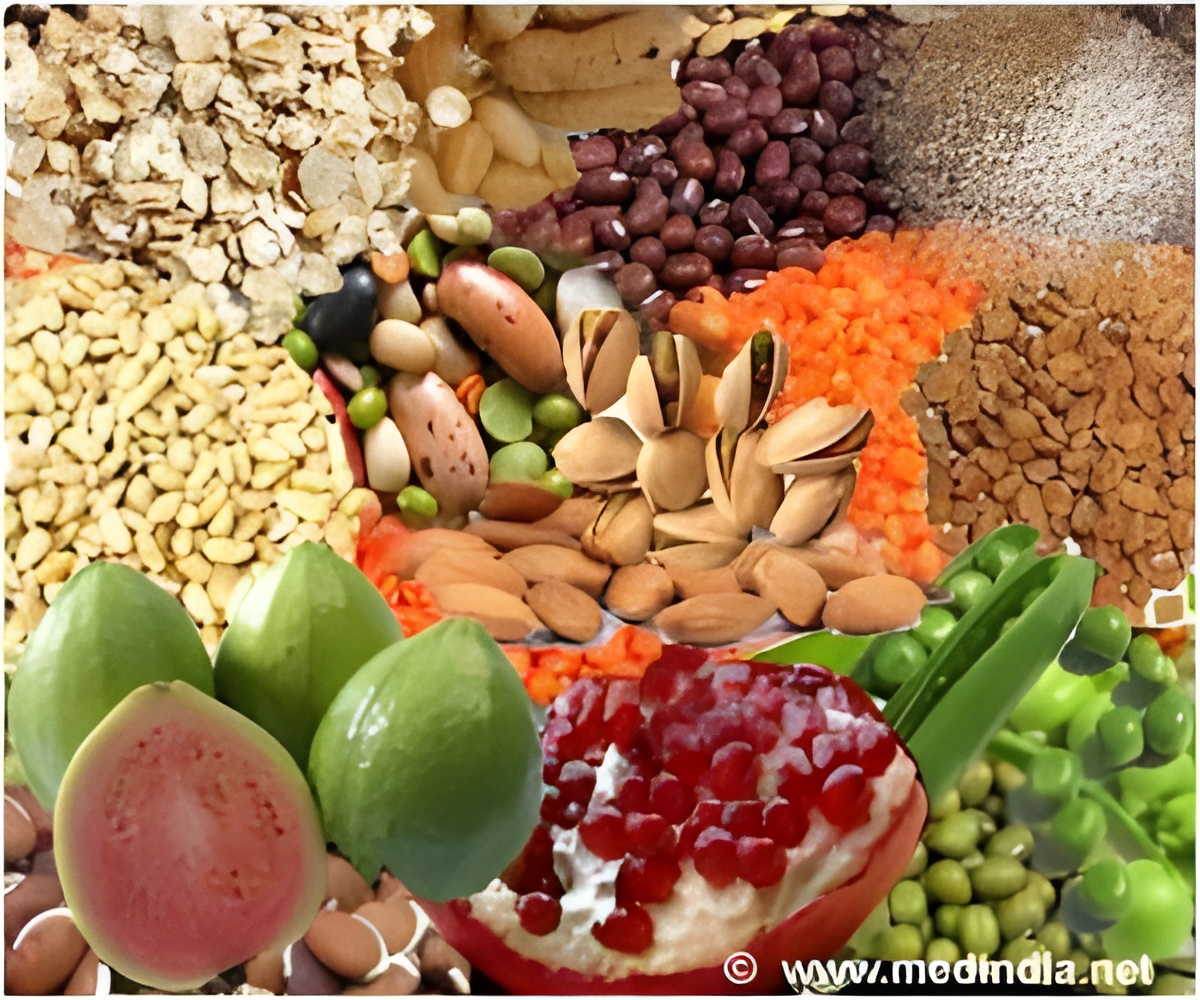
A new study has revealed the presence of certain chemicals on the surface of edible seeds which can help prevent P.aeruginosa infections.
Antibiotics Not The Solution For Viral Sinus Infections
New Guidelines issued by the IDSA have warned against prescribing antibiotics for sinus as most of the infections are caused by viruses.
New Guidelines issued by the IDSA have warned against prescribing antibiotics for sinus as most of the infections are caused by viruses.
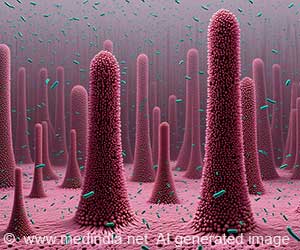
As part of ongoing researches to identify ways to deal with the bacteria, a new study has suggested that certain glycoproteins found in edible seeds-known as lectin-blocking glycodecoys can help fight against these bacteria in both animals as well as humans.
The researchers suggested that anti-adhesion treatment is one of the most important methods to treat P. aeruginosa infections amongst cases of cystic fibrosis and the immune-compromised. P. aeruginosa binds to the target cells by adhering to these cells by the production of lectins. Anti-adhesion treatments involve the use of glycodecoys that compete with these lectins to bind with the target cells. This prevents the adhesion of these lectins to the target cells.
Risk of Fatal Bacterial Infections is High in Malaria Patients
The reason why malaria patients are at high risk of developing fatal bacterial infections, especially salmonella infections has been revealed by scientists.
The reason why malaria patients are at high risk of developing fatal bacterial infections, especially salmonella infections has been revealed by scientists.
The researchers found the presence of these glycodecoys in edible seeds including cocoa, tomato seeds, cashew, coffee and pumpkin. It was observed that these glycodecoys protect the embryos of these edible seeds from infections.
Cranberry Juice Effective Than Extracts In Fighting Bacterial Infections
Cranberry juice is far better than extracts of the fruit at fighting bacterial infections, according to a new study.
Cranberry juice is far better than extracts of the fruit at fighting bacterial infections, according to a new study.
Reference:
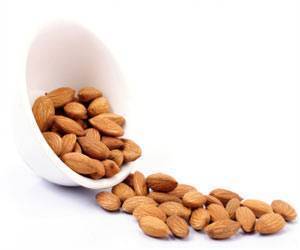
Experts Say Nuts, Beans and Seeds can Boost Health
Diet consisting of nuts, beans and seeds can provide an ample number of health benefits, say experts.
Diet consisting of nuts, beans and seeds can provide an ample number of health benefits, say experts.
Source-Medindia
 Email
Email