MEDINDIA
 English
 हिन्दी
 Español
 français
 中文
中文
Mannitol, a common component of sugar-free gum and candy, may cure Parkinsonism, suggests new study.
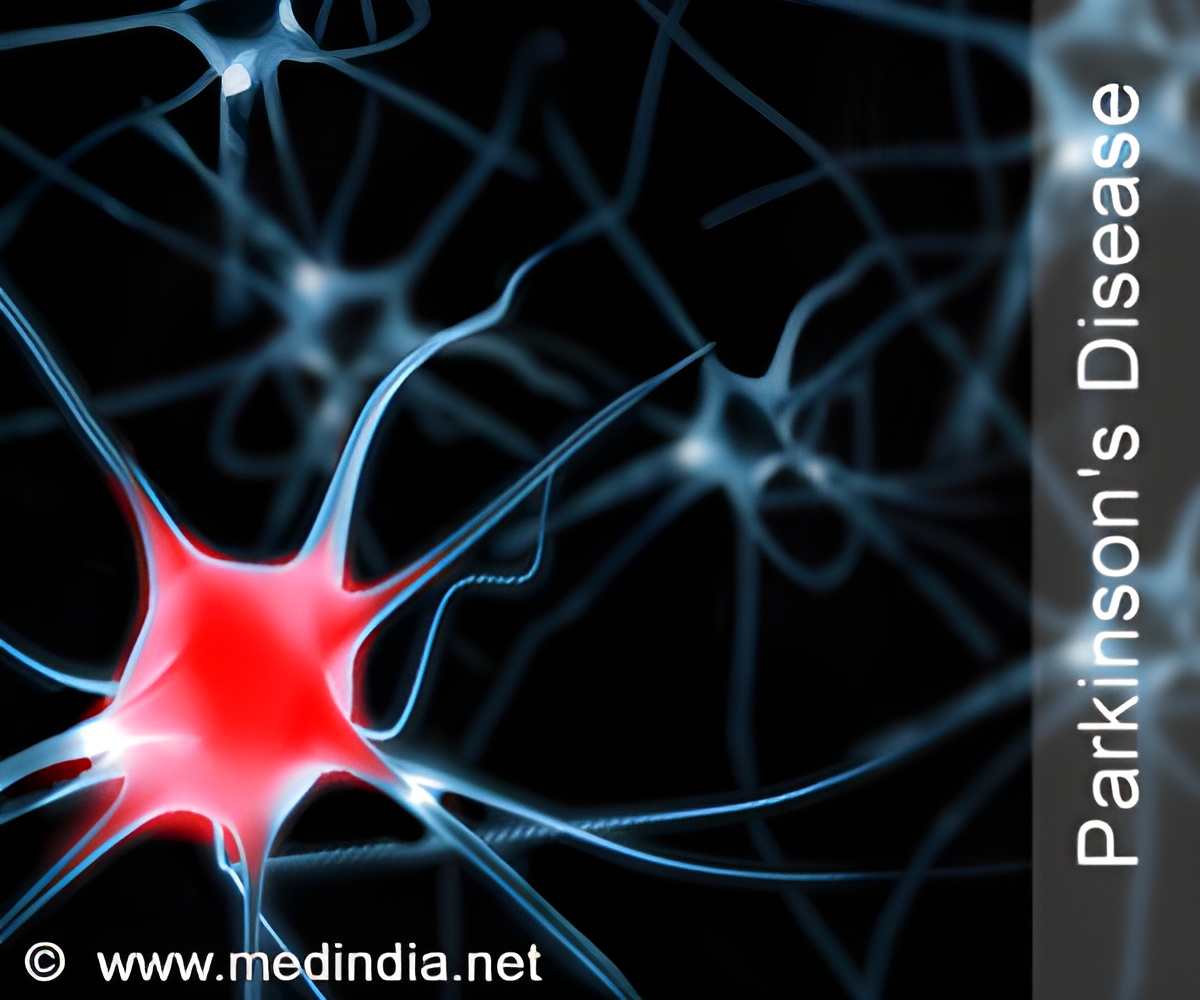

Parkinson’s Disease - Causes, Symptoms, Diagnosis, Treatment
Parkinson’s disease is a neurodegenerative disease caused by progressive dopamine brain cells loss. Symptoms of Parkinson’s disease are correctable to an extent.
Parkinson’s disease is a neurodegenerative disease caused by progressive dopamine brain cells loss. Symptoms of Parkinson’s disease are correctable to an extent.
Transgenic fruit flies (Drosophila) were employed to test the relevant effect of mannitol. A 70 percent reduction in aggregates of alpha-synuclein was found in genetically-altered flies that had been fed mannitol. The ability of flies to climb the walls of a test tube was taken as an indicator of their locomotive capability in the test called the "climbing assay."
Only 38 percent of the genetically-altered flies climbed up during the initial experimental period. These flies were then fed mannitol for a period of 27 days and the experiment was repeated. It was then found that 70 percent of the mutated flies could climb up the test tube. The results were published in the Journal of Biological Chemistry and presented at the Drosophila Conference in Washington, DC in April.

Newer Possible Treatment Approaches for Parkinson's Disease
Researchers at Sweden’s Lund University carried out a study on rats to reveal how Parkinson's disease spreads throughout the brain.
Researchers at Sweden’s Lund University carried out a study on rats to reveal how Parkinson's disease spreads throughout the brain.
Reference: R. Shaltiel-Karyo, M. Frenkel-Pinter, E. Rockenstein, C. Patrick, M. Levy-Sakin, A. Schiller, N. Egoz-Matia, E. Masliah, D. Segal, E. Gazit. A Blood-Brain Barrier (BBB) Disrupter Is Also a Potent -Synuclein ( -syn) Aggregation Inhibitor: A Novel Dual Mechanism of Mannitol for The Treatment of Parkinson Disease (PD). Journal of Biological Chemistry, 2013; 288 (24): 17579.

Parkinson's Disease
Slide animation on Parkinson disease. It is a progressive movement disorder due to degeneration of nerve cells of the substantia nigra of the brain. The symptoms get worse with time but drugs or surgery can control them. PD cannot be cured.
Slide animation on Parkinson disease. It is a progressive movement disorder due to degeneration of nerve cells of the substantia nigra of the brain. The symptoms get worse with time but drugs or surgery can control them. PD cannot be cured.

Can Artificial Sweeteners Reduce Obesity and Blood Sugar in Diabetes?
More studies are required to establish the role of artificial sweeteners in controlling diabetes and reducing obesity.
More studies are required to establish the role of artificial sweeteners in controlling diabetes and reducing obesity.
 Email
Email