MEDINDIA
 English
 हिन्दी
 Español
 français
 中文
中文
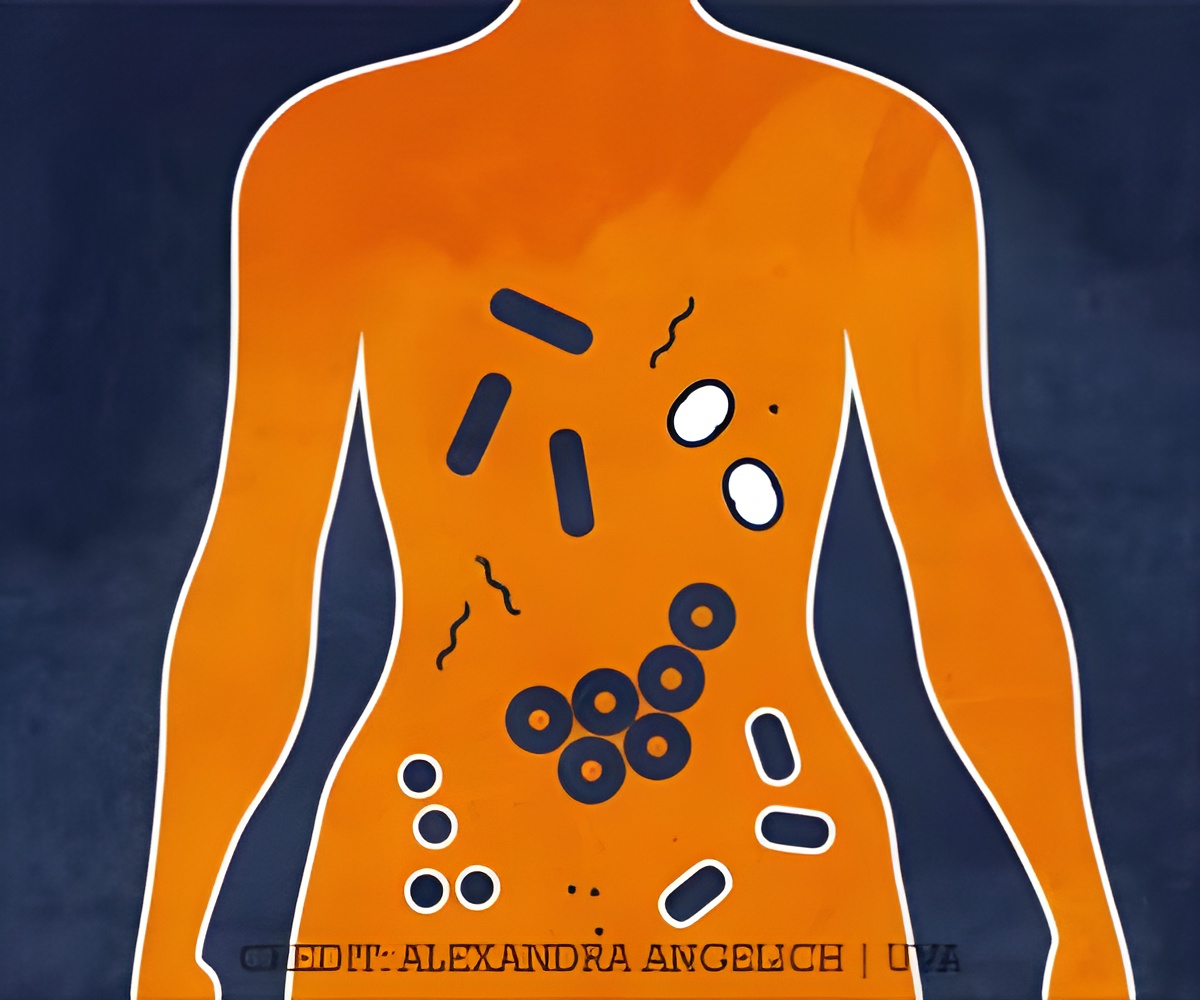
Microbiome found in the digestive tract influences both sickness and health of a person. Higher levels of eleven bacteria are found to be associated with a total of 28 health and disease outcomes like high blood pressure, high blood lipids, lung diseases, and skin conditions.

Benefits of Blood Pressure Tablets on your Health
Hypertension affects about a billion individuals worldwide and is a silent killer. Medication & lifestyle modification is the cornerstone of an effective antihypertensive treatment.
Hypertension affects about a billion individuals worldwide and is a silent killer. Medication & lifestyle modification is the cornerstone of an effective antihypertensive treatment.
TOP INSIGHT

The microbiota and the substances they produce are responsible for many diseases and health conditions. The gut microbiota might have an important role in maintaining health and could help in the development of novel treatments.
Read More..
This study, for the first time, investigated multiple diseases and other traits in one cohort - revealing the staggering extent to which the microbiome influences sickness and health. The analysis used genetic data as a proxy for microbiome composition.
Study author Dr. Hilde Groot of University Medical Centre Groningen, the Netherlands. Explained, "Previous research has shown that the human gut microbiome composition could be partially explained by genetic variants. So, instead of directly measuring the make-up of the microbiome, we used genetic alterations to estimate its composition."
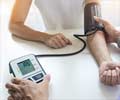
High Blood Pressure
High blood pressure or hypertension is defined as a blood pressure of above 140 mm Hg (systolic) and or 90mm Hg (diastolic).
High blood pressure or hypertension is defined as a blood pressure of above 140 mm Hg (systolic) and or 90mm Hg (diastolic).
The researchers found that higher levels of eleven bacteria (estimated from genetic data) were associated with a total of 28 health and disease outcomes. These included chronic obstructive pulmonary disease (COPD), atopy (a genetic tendency to develop allergic diseases like asthma and eczema), frequency of alcohol intake, high blood pressure, high blood lipids, and BMI.

Home Remedies For ECZEMA
Eczema is an inflammation of the skin and itching is the dominant symptom, which can be severe. You can now treat eczema at home with some natural remedies. Here are some simple tips to follow at home that help prevent eczema.
Eczema is an inflammation of the skin and itching is the dominant symptom, which can be severe. You can now treat eczema at home with some natural remedies. Here are some simple tips to follow at home that help prevent eczema.
Regarding alcohol consumption, Dr. Groot said, "What we eat and drink is connected to microbiome content, so we studied the links with meat, caffeine, and alcohol. We observed a relationship between raised levels of Methanobacterium and drinking alcohol more often. It is important to stress that this is an association, not a causal relation, and more research is needed."
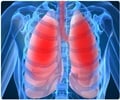
Chronic Obstructive Pulmonary Disease
COPD includes respiratory tract disorders that cause obstruction to airflow. These are chronic bronchitis, emphysema and small airway disease.
COPD includes respiratory tract disorders that cause obstruction to airflow. These are chronic bronchitis, emphysema and small airway disease.
She concluded, "Follow-up studies are required to study causality before giving concrete advice to the public and health professionals. This study provides clues where to go."
ource-Eurekalert
 Email
Email