MEDINDIA
 English
 हिन्दी
 Español
 français
 中文
中文
Gut bacteria may be added as a new risk factor for abnormal blood lipids, in addition to age, gender, body mass index (BMI) and genetics.
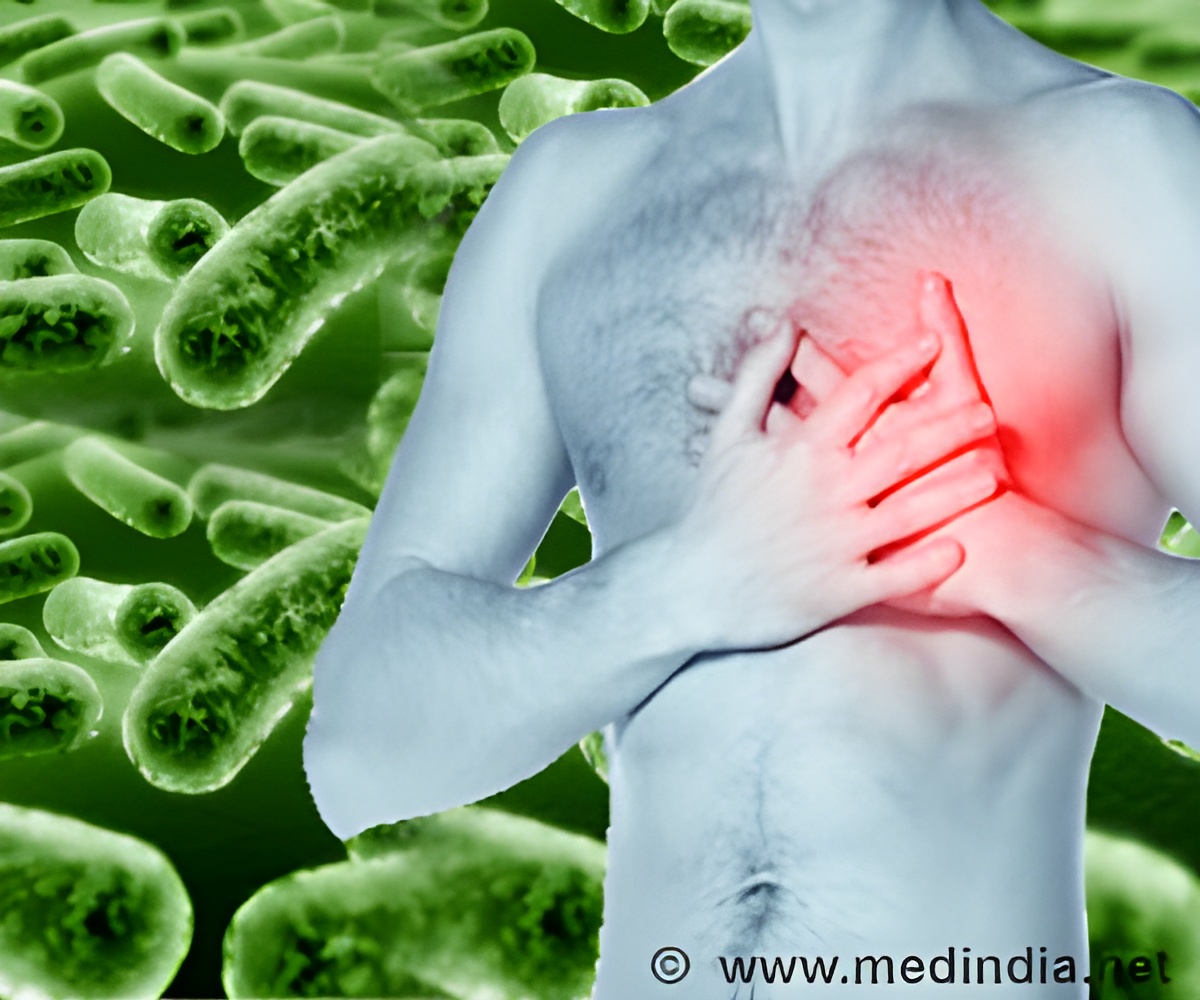

Gut Bacteria Can Cause Heart Attacks : Cleveland Study
Scientists at Cleveland Clinic discover a strong relationship between gut bacteria and the prevalence of heart attacks.
Scientists at Cleveland Clinic discover a strong relationship between gut bacteria and the prevalence of heart attacks.
Bacteria in the gut contributed to 4.6% of the difference in body fat, 6% in triglycerides and 4% in HDL. Fu said, "Surprisingly, gut bacteria had little relationship with bad cholesterol (low-density lipoproteins or LDL ) or total cholesterol levels. As less than 30% of bacteria in the human gut have been cultured, we know very little about who they are and what they do. With state-of-art deep sequencing technology, we are now able to identify them."
The study findings may open the door to new therapies to alter the gut bacteria types that contribute to body weight, fat and cholesterol levels to help aid in the prevention of heart disease.
Biological Makeup and Gestational Age Influence Gut Bacteria in Preemies
Biological makeup and gestational age play a more significant role in the population of gut bacteria compared to environmental factors.
Biological makeup and gestational age play a more significant role in the population of gut bacteria compared to environmental factors.
Source-IANS
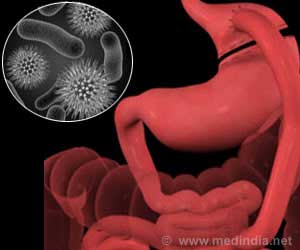
Modern Lifestyle Practices may Diminish the Variety of Gut Bacteria that Digests Food
Western lifestyle including diet, sanitation, and clinical practices are reasons that altered the gut microbiome and decrease its diversity.
Western lifestyle including diet, sanitation, and clinical practices are reasons that altered the gut microbiome and decrease its diversity.
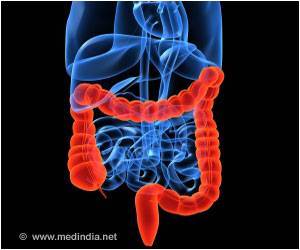
Gut Bacteria may Hinder Smooth Functioning of T Cells
Researchers in Lausanne, Switzerland claim that leaky intestines may cripple bacteria-fighting immune cells in patients.
Researchers in Lausanne, Switzerland claim that leaky intestines may cripple bacteria-fighting immune cells in patients.
 Email
Email