MEDINDIA
 English
 हिन्दी
 Español
 français
 中文
中文
Multidisciplinary approach shows significant effect on the management of retinoblastoma (eye cancer), shows report.
Retinoblastoma - Causes, Symptoms, Diagnosis, Treatment & Prevention
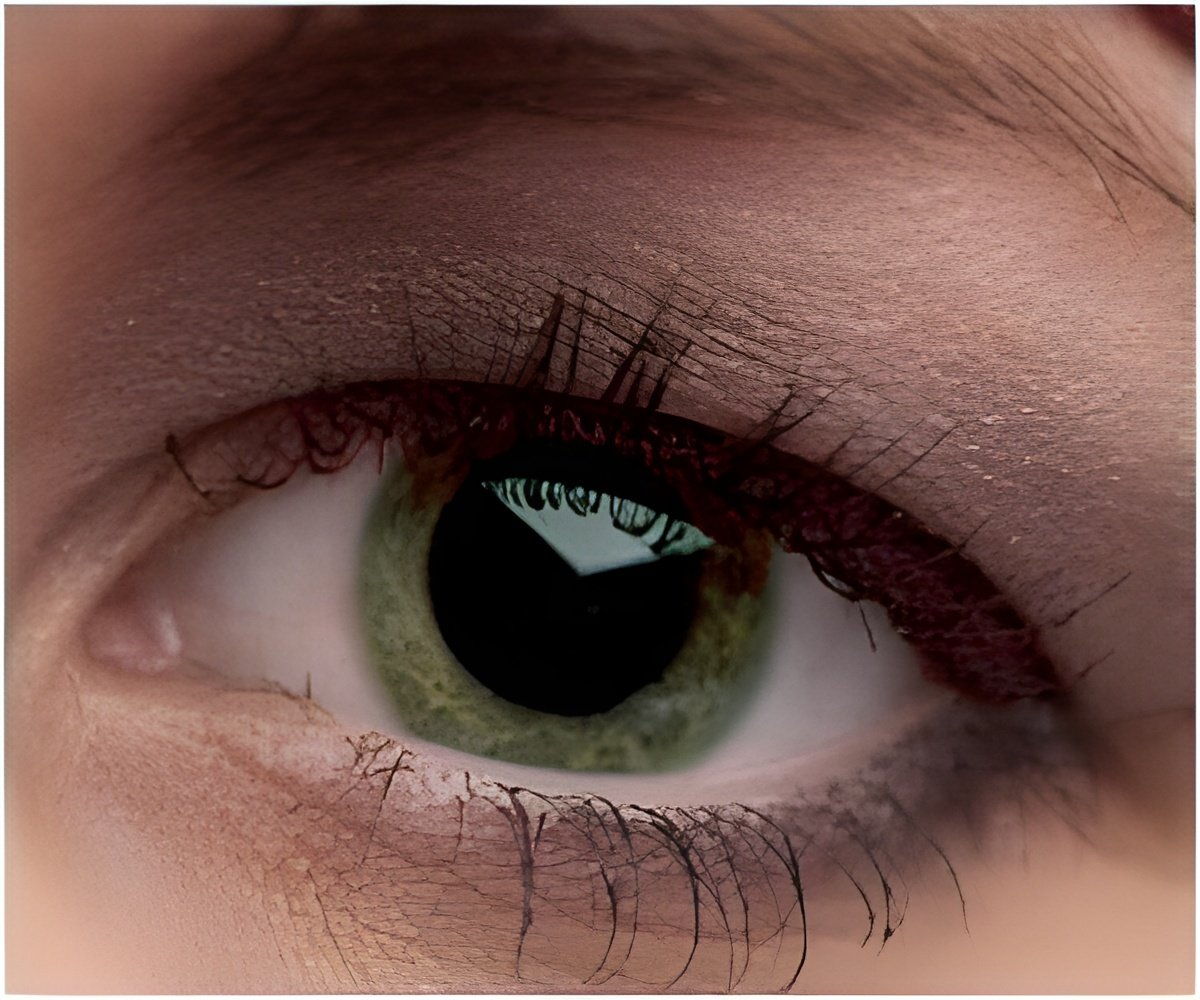
Retinoblastoma is a type of cancer of the eye occurring in children. Early diagnosis and treatment, and genetic counselling can go a long way in saving life and vision in children and siblings at risk for this disease.
Retinoblastoma is a type of cancer of the eye occurring in children. Early diagnosis and treatment, and genetic counselling can go a long way in saving life and vision in children and siblings at risk for this disease.
The authors retrospectively evaluated data on 90 cases during the study period; 81 patients who were diagnosed with retinoblastoma, and nine children who were evaluated because of family history of retinoblastoma. Of the 81 patients with retinoblastoma, 34 (42 percent) had bilateral tumors (tumors in both eyes) and 47 (58 percent) had unilateral tumors (tumor in only one eye).
Genetic testing was accomplished in 51 (63 percent) of 81 patients with retinoblastoma using a multidisciplinary approach. Twenty-two patients (65 percent) in the bilateral group and 29 patients (62 percent) in the unilateral group underwent genetic testing. The ability to identify a genetic mutation in the blood sample of patients with bilateral retinoblastoma was 91 percent (20 of 22 patients). Of the 29 patients undergoing genetic testing in the unilateral group, five (17 percent) had a mutation identified in blood samples, documenting a hereditary form of retinoblastoma. In another seven patients (23 percent) mutation analysis confirmed the occurrence of sporadic retinoblastoma.

"Our study emphasizes that genetics can be incorporated into the management plan of all retinoblastoma patients using a team approach to ensure timely evaluations and appropriate counseling. Genetic evaluations improved risk prediction for patients and family members as well as prevented overutilization of clinical screening tests, which had potential morbidity for relatives documented to not carry an RB1 mutation."

Quiz on Cancer
Cancer, is the second most leading cause of death worldwide. Cancer is not just one disease but many diseases. There are more than 100 different types of cancer. Take this quiz on and test how much you know about cancer.
Cancer, is the second most leading cause of death worldwide. Cancer is not just one disease but many diseases. There are more than 100 different types of cancer. Take this quiz on and test how much you know about cancer.

Scientists Zero in on Potential New Heritable Marker for Retinoblastoma
A new research has found what may be a possible new heritable marker for retinoblastoma, a pediatric eye cancer triggered by the loss or mutation of both copies of the retinoblastoma gene.
A new research has found what may be a possible new heritable marker for retinoblastoma, a pediatric eye cancer triggered by the loss or mutation of both copies of the retinoblastoma gene.
 Email
Email