MEDINDIA
 English
 हिन्दी
 Español
 français
 中文
中文
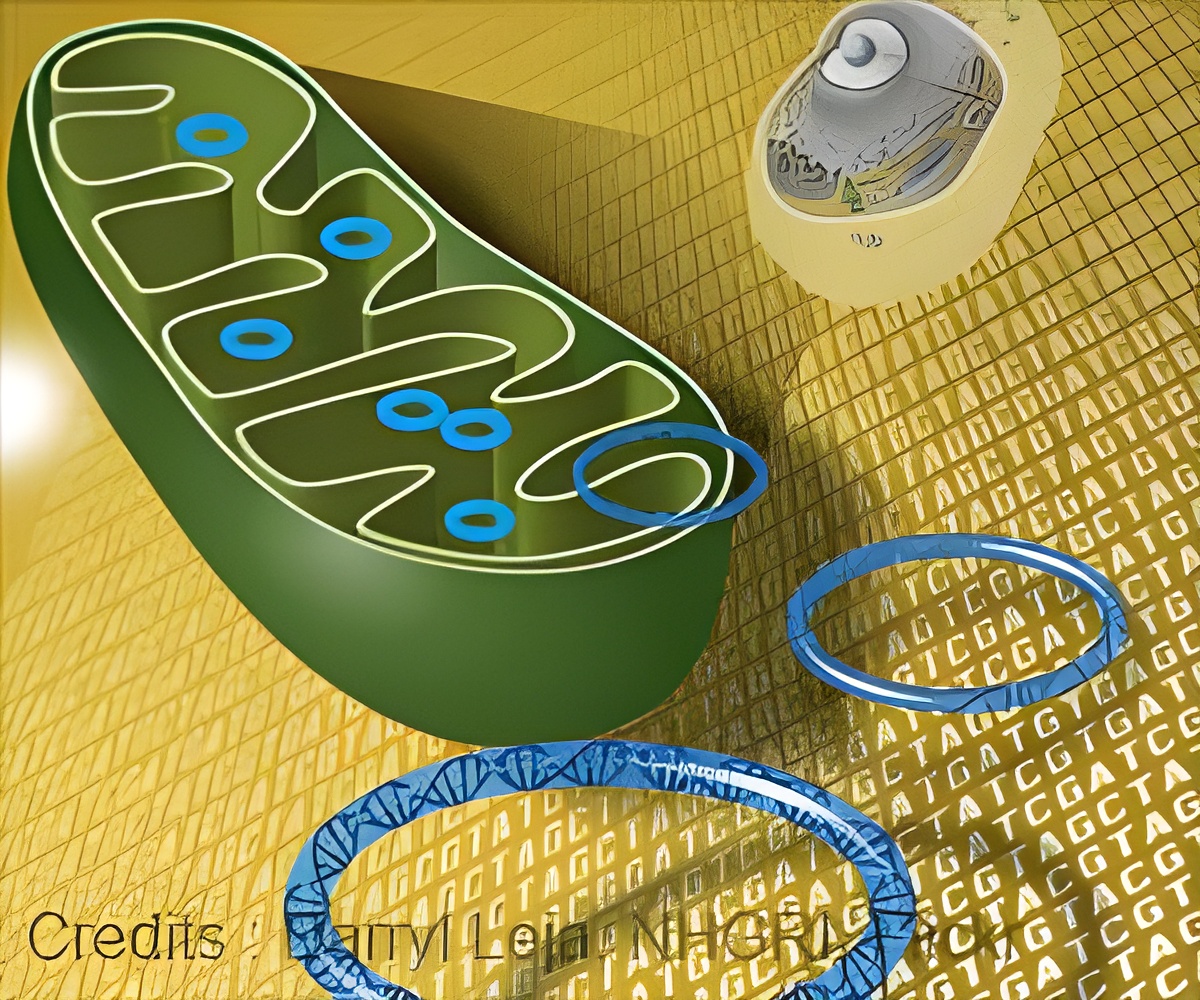
Mutations in the gene ANT1 may confer a risk for bipolar disorder through a complex interplay between serotonin and mitochondrial signaling in the brain.

Bipolar Disorder-Causes-Risk Factors-Types-Symptoms-Treatment-Complications-FAQs
Bipolar Disorder is a brain disorder in which people show “mood swings”. Changes in the level of neurotransmitters in brain, and psychosocial factors are thought to be involved.
Bipolar Disorder is a brain disorder in which people show “mood swings”. Changes in the level of neurotransmitters in brain, and psychosocial factors are thought to be involved.
TOP INSIGHT

Mutations in the gene ANT1 may confer a risk for bipolar disorder through a complex interplay between serotonin and mitochondrial signaling in the brain.
The study started by identifying ANT1 mutations in patients with bipolar disorder. Kato and colleagues then looked at mice lacking the ANT1 gene in the brain only. Compared with non-mutant mice, the mitochondria in these knockout mice could not retain calcium and had leakier pores. The ANT1-mutant mice also showed lower impulsivity in behavior tests, and consistent with this, their brains showed elevated serotonin turnover. This hyper-serotonergic state is likely a result of a cascade of changes that starts with the loss of the ANT1 gene and the resulting dysfunctional mitochondria. Enhanced serotonergic activity may then further impair mitochondria in a vicious cycle.
Serotonergic neurons were found to deteriorate in a brain area called the dorsal raphe, which is a region also affected in Parkinson's disease--another condition that may have its roots in mitochondrial dysfunction. The ANT1 mutation does not cause bipolar disorder, says Kato, but is associated with elevated risk. The implication of this research is that emerging therapies for the underlying mitochondrial dysfunction could one day treat bipolar disorder more successfully than today's variable serotonin-targeting drugs.
CoQ10 - How Does this Coenzyme Protect Your Body?
Vitamin-like CoQ10 helps generate energy for the cells to function at their optimum level. Secondary to its role in energy production, CoQ10 also functions as a potent antioxidant.
Vitamin-like CoQ10 helps generate energy for the cells to function at their optimum level. Secondary to its role in energy production, CoQ10 also functions as a potent antioxidant.

Quiz on Bipolar Disorder
Bipolar disorder has been rated among the more common disability-inducing conditions. It reduces the working capacity of an individual and adds to the medical and economic burden all over the world. Test your knowledge on bipolar disorders by taking this quiz.
Bipolar disorder has been rated among the more common disability-inducing conditions. It reduces the working capacity of an individual and adds to the medical and economic burden all over the world. Test your knowledge on bipolar disorders by taking this quiz.

Brain Depression
Interactive section of Medindia provides information about chemistry of Brain depression
Interactive section of Medindia provides information about chemistry of Brain depression
 Email
Email