MEDINDIA
 English
 हिन्दी
 Español
 français
 中文
中文
Recruiting thousands of patients to collect health data for genetic clues to disease is expensive and time consuming.
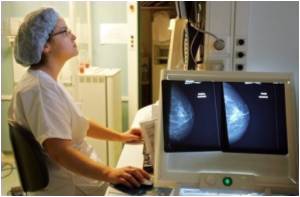

Electronic Records To Help IVF Patients
IVF Australia is to offer HealthMe, an interactive electronic system that allows patients to self-manage medical records.
IVF Australia is to offer HealthMe, an interactive electronic system that allows patients to self-manage medical records.
The paper will be published April 20 in Science Translational Medicine.
To identify the diseases, Kho and colleagues searched the records using a series of criteria such as medications, diagnoses and laboratory tests. They then tested their results against the gold standard – review by physicians. The physicians confirmed the results, Kho said. The electronic health records allowed researchers to identify patients' diseases with 73 to 98 percent accuracy.

Survey Shows 72 Percent of Americans Think Healthcare System Needs Major Change
More than 50 percent of adults in the US think that the health care system needs to be changed or completely rebuilt, reveals Commonwealth fund survey.
More than 50 percent of adults in the US think that the health care system needs to be changed or completely rebuilt, reveals Commonwealth fund survey.
Sequencing individuals' genomes is becoming faster and cheaper. It soon may be possible to include patients' genomes in their medical records, Kho noted. This would create a bountiful resource for genetic research.

Barriers to Adoption of Electronic Personal Health Records Outlined
Interest in personal health records as an electronic tool to manage health information is increasing dramatically.
Interest in personal health records as an electronic tool to manage health information is increasing dramatically.
The larger the group of patients for genetic studies, the better the ability to detect rarer affects of the genes and the more detailed genetic sequences that cause a person to develop a disease.

Seven in Ten Patients Surveyed Hadn�t Heard of the Summary Care Record
Despite an extensive public information campaign only three in ten people living in the areas piloting the NHS Summary Care Record have heard about the programme
Despite an extensive public information campaign only three in ten people living in the areas piloting the NHS Summary Care Record have heard about the programme
Source-Eurekalert
 Email
Email