MEDINDIA
 English
 हिन्दी
 Español
 français
 中文
中文
Genetic and ethnic background may be underlying factors to acquired laryngotracheal stenosis (ALTS), says study.


Genetic Factors in Lumbar Spinal Stenosis Identified
Study provides insights into the development and causes of lumbar spinal stenosis including genetic factors that increase the risk for developing the condition.
Study provides insights into the development and causes of lumbar spinal stenosis including genetic factors that increase the risk for developing the condition.
TOP INSIGHT

The presence of any of six candidate genetic variations in a panel of scar formation and wound-healing genes puts one at higher risk of stenosis.
ALTS affects an estimated one to eight percent of patients who have an endotracheal or tracheotomy tube placed. While the condition is rarely fatal, patients can develop difficulty breathing, necessitating complex emergency surgery to open the airway. It can also lead to voice and swallowing dysfunction. In some cases, patients require permanent tracheotomy.
"Our hypothesis was that aberrations in wound healing, which are observed in patients with other scarring disorders, are related to ALTS," Dr. Soliman said. Knowing this, Dr. Soliman and colleagues decided to search the DNA of ALTS patients for specific changes in genes associated with scarring and wound healing.
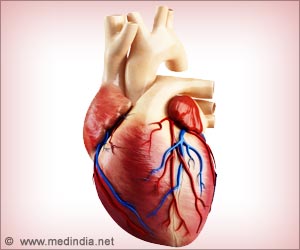
Non-Invasive Therapy may Help Patients With Severe Bioprosthesis Stenosis to Avoid Surgery
Patients with severe bioprosthesis stenosis may benefit from pulsed cavitation ultrasound that can soften the stiff calcified valves and improve the function.
Patients with severe bioprosthesis stenosis may benefit from pulsed cavitation ultrasound that can soften the stiff calcified valves and improve the function.
Although none of the overall candidate variations was significantly associated with ALTS, when Dr. Soliman and colleagues carried out subgroup analyses, they found that certain variants were in fact significantly linked to ALTS, depending on ethnic background. The association with stenosis was high particularly for African Americans.

Non-Invasive Surgery to Cure 76-Year-Old Aortic Stenosis Patient
In a first of its kind in India, a 76-year-old woman diagnosed with aortic stenosis was cured through non-invasive surgery in just 45 minutes.
In a first of its kind in India, a 76-year-old woman diagnosed with aortic stenosis was cured through non-invasive surgery in just 45 minutes.
In the near-term, the next step is to confirm the new findings in a larger study, involving about 300 study patients. A multi-institutional trial would likely be needed to obtain this number. Such a large pool of patient data would greatly facilitate research on ALTS and open new avenues of study into genetic aspects of other forms of laryngotracheal stenosis.

Aortic Stenosis Best Treated With Transcatheter Aortic Valve Replacement (TAVR) in the Elderly
Patients undergoing a minimally invasive procedure to replace the aortic valve without doing open heart surgery have better outcomes after five years than patients who did not have surgery at all.
Patients undergoing a minimally invasive procedure to replace the aortic valve without doing open heart surgery have better outcomes after five years than patients who did not have surgery at all.
Source-Eurekalert
 Email
Email