MEDINDIA
 English
 हिन्दी
 Español
 français
 中文
中文
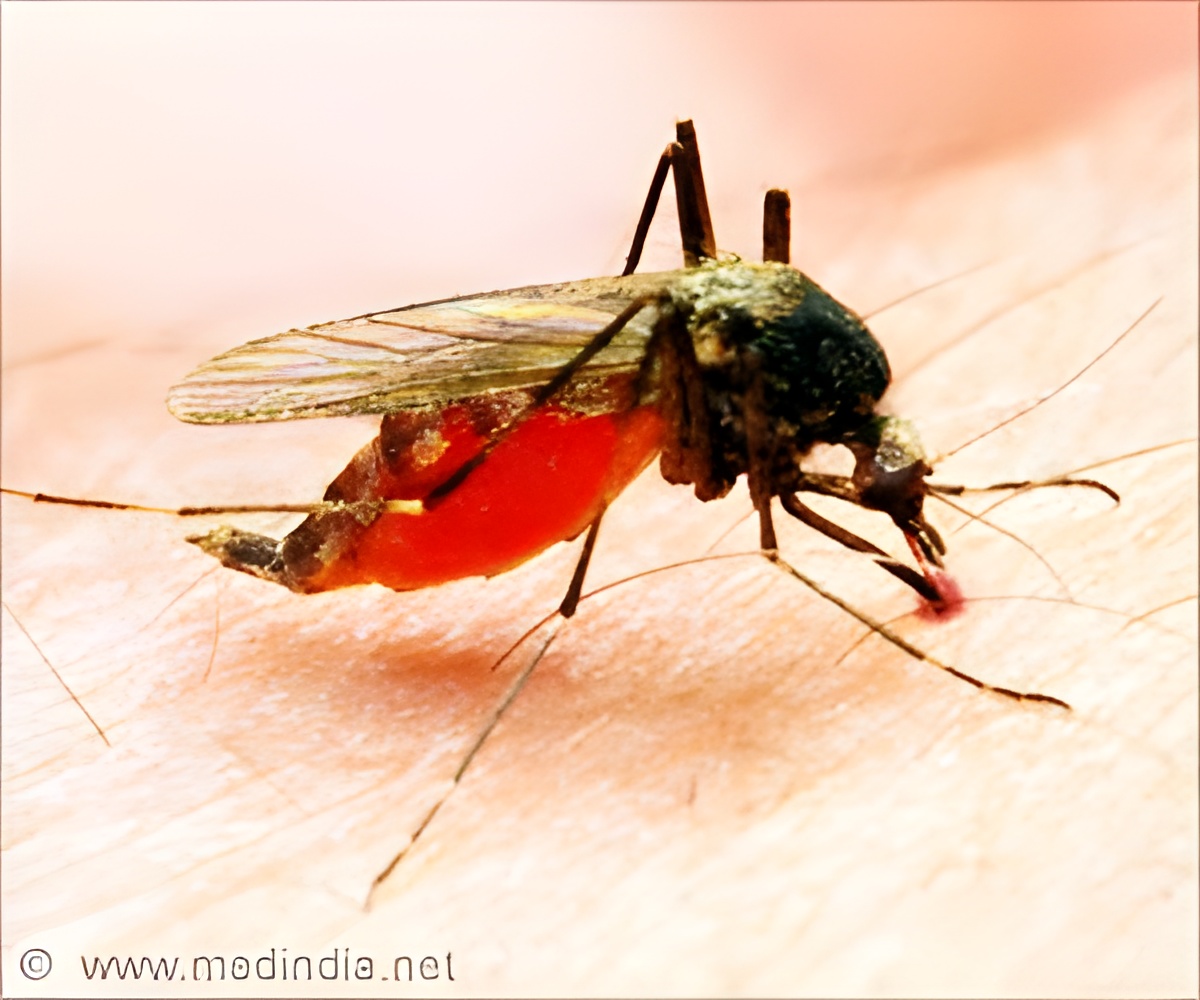
Rates of malaria transmission depends on whether mosquitoes bite humans. When mosquitoes bite cattle, malaria does not spread because these animals are dead-end hosts.

Genetically Modified Mosquitoes in Panama to Combat Zika
The idea is to introduce male Aedes aegypti mosquitoes with altered genes so that their offspring, after mating with bloodsucking females, die at the larva stage.
The idea is to introduce male Aedes aegypti mosquitoes with altered genes so that their offspring, after mating with bloodsucking females, die at the larva stage.
TOP INSIGHT

A chromosomal rearrangement in mosquitoes known as the 3Ra inversion was associated with cattle feeding.
The transmission also depends whether mosquitoes rest after their meals in areas where they are likely to encounter pesticides, the study said.
Using a population genomics approach, the study established an association between human feeding and a specific chromosomal rearrangement in the major east African malaria vector.
Delhi Hospitals Issued Notices for Allowing Mosquitoes to Breed Inside Their Premises
The central government-run hospital AIIMS, which on an average sees, 25,000 to 30,000 patients every day, is one of the worst offenders, reveals NDMC.
The central government-run hospital AIIMS, which on an average sees, 25,000 to 30,000 patients every day, is one of the worst offenders, reveals NDMC.
In the study, the team sequenced the genomes of 23 human-fed and 25 cattle-fed mosquitoes collected indoors and outdoors from the Kilobero Valley in Tanzania.

Researchers Identify Two Compounds in Sweetgrass That Keep Mosquitoes Away
Two chemicals, namely phytol and coumarin, in the sweetgrass oil seemed to be responsible for putting off mosquitoes.
Two chemicals, namely phytol and coumarin, in the sweetgrass oil seemed to be responsible for putting off mosquitoes.
It however did not appear to have an impact on the mosquitoes' resting behaviors.
Genetically Engineered Mosquitoes Will Not Harm the Environment: United States
Oxitec's genetically engineered (GE) mosquitoes, known as OX513A, should pose no danger to the environment, US regulators reported.
Oxitec's genetically engineered (GE) mosquitoes, known as OX513A, should pose no danger to the environment, US regulators reported.
This knowledge may also open novel avenues for stopping malaria's spread, such as genetically modifying mosquitoes to prefer cattle over people, the researchers noted, in the paper published in the journal PLOS Genetics.
Source-IANS
 Email
Email