MEDINDIA
 English
 हिन्दी
 Español
 français
 中文
中文
It re-established normal intestinal function within four days, stopped tumor growth within two weeks, and signs of cancer were prevented months later.
Colorectal Cancer - Types, Causes, Risk Factors, Symptoms, Diagnosis, Treatment, Prognosis & Prevention
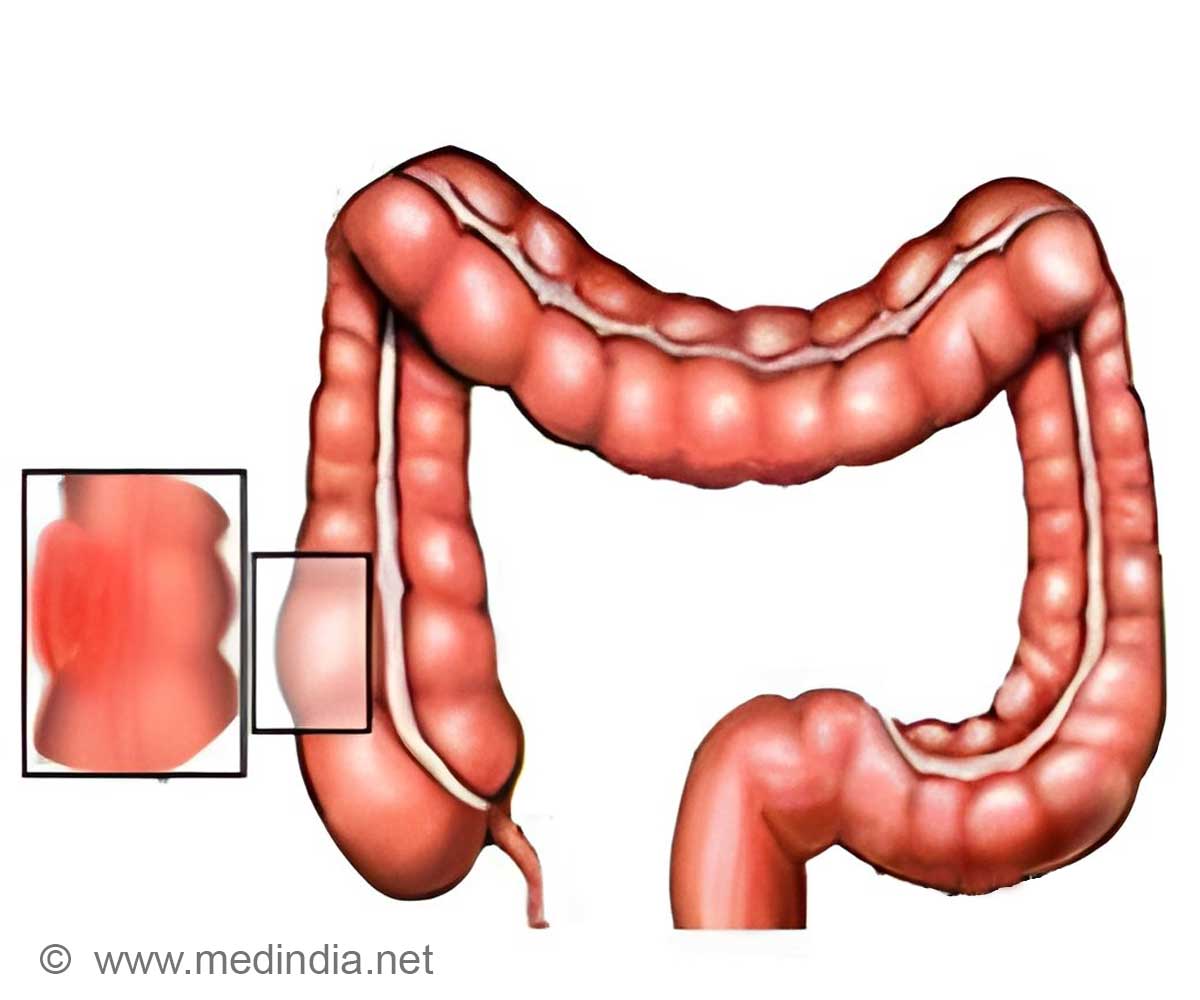
Colorectal cancer is a cancer that starts in the colon or the rectum. Colorectal cancer is the third most common cancer in men.
Colorectal cancer is a cancer that starts in the colon or the rectum. Colorectal cancer is the third most common cancer in men.
Up to 90% of colorectal tumors contain inactivating mutations in a tumor suppressor gene called adenomatous polyposis coli (Apc). Although these mutations are thought to initiate colorectal cancer, it has not been clear whether Apc inactivation also plays a role in tumor growth and survival once the cancer has already developed.
The research team used a genetic technique to precisely and reversibly disrupt Apc activity in a novel mouse model of colorectal cancer. While the vast majority of existing animal models of colorectal cancer develop tumors primarily in the small intestine, the new animal model also developed tumors in the colon, similar to clinical patients.

Colorectal Cancer Screening
Colorectal screening is done using tests to detect blood in stool, colonoscopy or sigmoidoscopy ordouble contrast barium enema or CT colonography.
Colorectal screening is done using tests to detect blood in stool, colonoscopy or sigmoidoscopy ordouble contrast barium enema or CT colonography.
Moreover, this approach was effective in treating mice with malignant colorectal cancer tumors containing Kras and p53 mutations, which are found in about 50% of colorectal tumors in humans.

Colorectal Cancer Screening with Colonoscopy
Colonoscopy is a widely used endoscopic procedure to screen individuals for colorectal cancer. It is very sensitive in detecting colorectal cancers.
Colonoscopy is a widely used endoscopic procedure to screen individuals for colorectal cancer. It is very sensitive in detecting colorectal cancers.
The study is published in the Cell.
Colorectal Cancer Screening with Double-Contrast Barium Enema
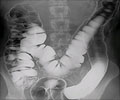
Double-contrast barium enema is a radiological technique that can be used to screen individuals for colorectal cancer and is performed when colonoscopy is not possible.
Double-contrast barium enema is a radiological technique that can be used to screen individuals for colorectal cancer and is performed when colonoscopy is not possible.
 Email
Email