MEDINDIA
 English
 हिन्दी
 Español
 français
 中文
中文
Traces of several fungal species might explain the diversity observed in the evolution and severity of clinical symptoms in each Alzheimer's disease patient.

Alzheimer’s disease - Causes, Symptoms, Diagnosis, Stages, Types, Prevention, Prognosis & Treatment
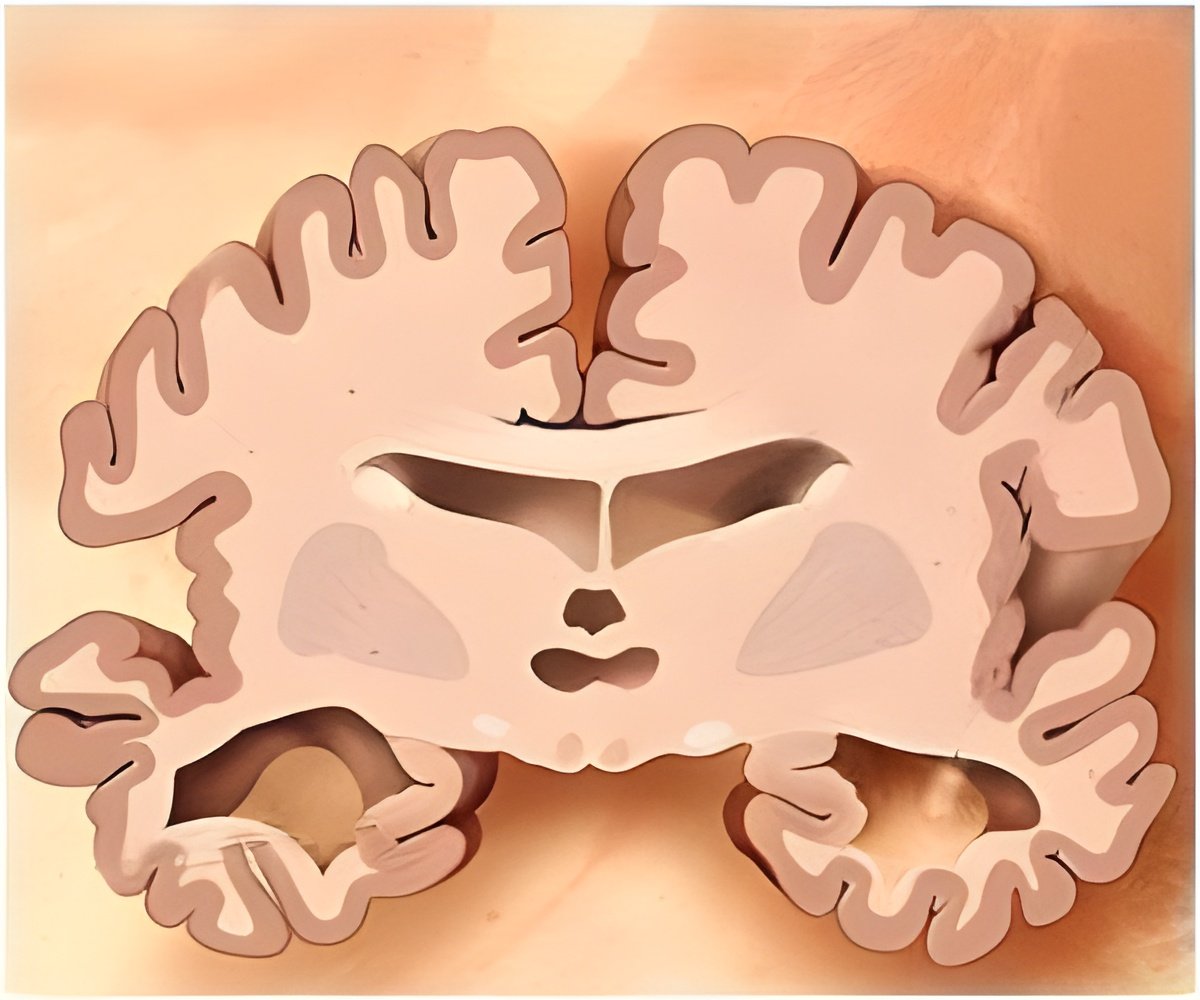
Alzheimer's disease is a progressive neurodegenerative disease affecting memory and thinking and making the person increasingly dependent on others.
Alzheimer's disease is a progressive neurodegenerative disease affecting memory and thinking and making the person increasingly dependent on others.
The five-member research team found cells and other material from several fungal species in the brain tissue and blood vessels of all 11 deceased Alzheimer's patients that they analyzed, while the fungal species were not found in the brain of ten Alzheimer's-free controls.
The study authors said, "Genetic material from viruses and bacteria had previously been found in the brains of Alzheimer's patients, and viruses which cause herpes and pneumonia have been suggested as potential Alzheimer's disease 'agents'."

Risk Factors for Alzheimers Disease
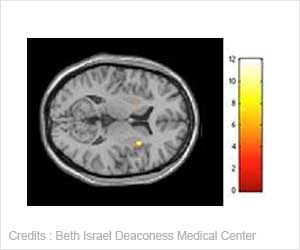
Cognitively normal adults exhibiting atrophy of their temporal lobe or damage to blood vessels in the brain are more likely to develop Alzheimer’s disease.
Cognitively normal adults exhibiting atrophy of their temporal lobe or damage to blood vessels in the brain are more likely to develop Alzheimer’s disease.
The researchers said, "Traces of several fungal species were found, which might explain the diversity observed in the evolution and severity of clinical symptoms in each Alzheimer's disease patient. A fungal cause would fit well with the characteristics of AD, the researchers added, including the slow progression of the disease and inflammation, which is an immune response to infectious agents such as fungi. However, the fungal infection may be the result, not the cause, of Alzheimer's disease."

Researches Aim to Detect Early Signs of Alzheimer�s Disease in the Brain
Dr. Scott N. Losk said that studies are being carried out to detect markers in the brain that show possible Alzheimer’s disease before a person begins experiencing dementia.
Dr. Scott N. Losk said that studies are being carried out to detect markers in the brain that show possible Alzheimer’s disease before a person begins experiencing dementia.
The study is reported in Scientific Reports.

Researchers Identify a New Target For Alzheimer's Disease Treatment
Genetically deleting the protein GPR3 was found to improve cognitive function and reduced the signs of disease in the brain in mice with four varieties of dementia.
Genetically deleting the protein GPR3 was found to improve cognitive function and reduced the signs of disease in the brain in mice with four varieties of dementia.
 Email
Email