MEDINDIA
 English
 हिन्दी
 Español
 français
 中文
中文
Mysterious marine events like oarfish sightings and whale strandings could be telling us something bigger about climate change, shifting ecosystems, and ancient oceanic myths.

Strange happenings under the sea: Is the ocean hinting at an upcoming disaster?
Go to source).

Climate-related Natural Disasters Can Be Faced Using Nature-based Solutions
Increasing number of climate change-related natural disasters Should be dealt with using solutions found in nature.
Increasing number of climate change-related natural disasters Should be dealt with using solutions found in nature.
TOP INSIGHT

Did You Know?
We’ve explored just 5% of our world’s oceans! Yet, these vast waters regulate our planet's climate and are home to 90% of biodiversity.
#medindia #ocean #climate
Oarfish: Mythical Legend or Natural Phenomenon?
One of the most intriguing mysteries is the unexpected sighting of the oarfish – a rare, serpent-like creature often associated with disaster legends. According to recent media reports, one washed up on the shores of Lanzarote, sparking renewed concerns that these deep-sea fish could be indicators of earthquakes or tsunamis. In Japanese folklore, oarfish are considered "Messengers of the Sea God," believed to appear before significant seismic activity.According to sources, the belief gained significant traction following the 2011 Fukushima earthquake when several oarfish were discovered near Japan in the months prior to the disaster. Despite this, marine scientists, such as Hiroyuki Motomura, emphasize that there is no solid scientific proof connecting the appearance of oarfish with seismic events, as reported by the Economic Times. However, some researchers hypothesize that changes in underwater pressure caused by earthquakes may drive these deep-sea creatures to the surface.
Strong Tidal Force Could Trigger Severe Earthquakes
Many earthquakes will still happen when tidal stress is low, as earthquakes are nearly a random process, tidal forces are just a factor in a complex process.
Many earthquakes will still happen when tidal stress is low, as earthquakes are nearly a random process, tidal forces are just a factor in a complex process.
Anglerfish: Unexpected Visitors to Shallower Waters
Anglerfish are appearing in places they typically don’t inhabit, and scientists are paying close attention. Usually found in the ocean's deepest, darkest regions, these eerie, bioluminescent creatures have been spotted in shallower waters. This unexpected shift has raised concerns that warming seas and changing currents are disrupting marine ecosystems, pushing deep-sea creatures into unfamiliar habitats.Although the exact reason for anglerfish appearing closer to the surface remains uncertain, experts suggest that rising ocean temperatures could be disrupting their natural habitats, according to a report by the Economic Times. These shifts may be influencing the behavior of deep-sea species, compelling them to adapt in ways that are both intriguing and concerning.
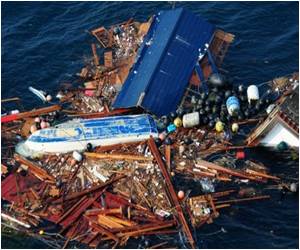
The Lurking Tsunami: Are We Ready?
The Tsunami is a series of large ocean waves, caused by an underwater activity, like an earthquake, volcanic eruption or a landslide, which displaces a large body of water
The Tsunami is a series of large ocean waves, caused by an underwater activity, like an earthquake, volcanic eruption or a landslide, which displaces a large body of water
Whale Strandings: A Rising Concern
Mass whale strandings have become an increasingly alarming issue. Recently, over 150 false killer whales stranded themselves on the shores of Tasmania, with most unable to survive despite rescue attempts. While strandings have always been tragic, their frequency seems to be growing. According to reports, scientists are exploring various possible causes, including sonar interference and shifts in ocean conditions.Whales rely on natural ocean signals for navigation, but disruptions such as noise pollution and shifting currents may be disorienting them. The increase in strandings suggests that these environmental changes are interfering with their ability to navigate, pointing to a larger disruption in the ocean's ecosystem.

Ancient Geologic Events Play a Crucial Role in Earthquakes
Multi-million-year-old geological structures, situated at sites away from existing plate boundaries, may trigger changes in the structure and properties at the surface.
Multi-million-year-old geological structures, situated at sites away from existing plate boundaries, may trigger changes in the structure and properties at the surface.
Climate Change: The Connection Behind These Unusual Events?
All of these strange occurrences appear to be connected to one major factor: climate change. As the planet heats up, ocean ecosystems are undergoing changes that are becoming increasingly visible. Rising temperatures, shifting currents, and altering marine habitats could explain why deep-sea creatures are showing up in unexpected locations. Some are migrating closer to shore, while others, like whales, are having difficulty navigating.There is still much to understand, but scientists believe these patterns could be warning signs of a larger environmental issue. The increasing frequency of these events indicates rising imbalances in marine ecosystems—imbalances that could have serious consequences if not addressed.
Science Meets Superstition: Understanding Public Perception
Despite scientific explanations, many people continue to link these unusual marine events to ancient folklore. Social media platforms are filled with users speculating that the appearance of oarfish and mass whale strandings are signs of an impending disaster. While it's easy to connect ancient myths with modern occurrences, experts advise caution, as highlighted in a report by the Economic Times.What Does the Future Hold for the Oceans?
The increasing frequency of unusual ocean events is impossible to overlook. Whether they signify larger environmental changes or are simply coincidences, they highlight the vulnerability of marine ecosystems. The link between climate change, human activity, and disruptions in marine life is becoming more evident, serving as a stark reminder that urgent action is required to protect our oceans.As scientists continue to investigate these changes, it’s crucial to consider both research and traditional beliefs while taking proactive steps to safeguard our oceans. The deep sea still holds many mysteries, but as more marine life starts to behave differently, one thing is becoming clear—nature's balance is rapidly shifting. Ultimately, the ocean may be trying to communicate something vital. Whether it's a warning about climate change or a sign of more immediate danger, we must heed its message before it’s too late.
Reference:
- Strange happenings under the sea: Is the ocean hinting at an upcoming disaster? - (https://timesofindia.indiatimes.com/etimes/trending/strange-happenings-under-the-sea-is-the-ocean-hinting-at-an-upcoming-disaster/articleshow/118430136.cms)
Source-TOI
 Email
Email