MEDINDIA
 English
 हिन्दी
 Español
 français
 中文
中文
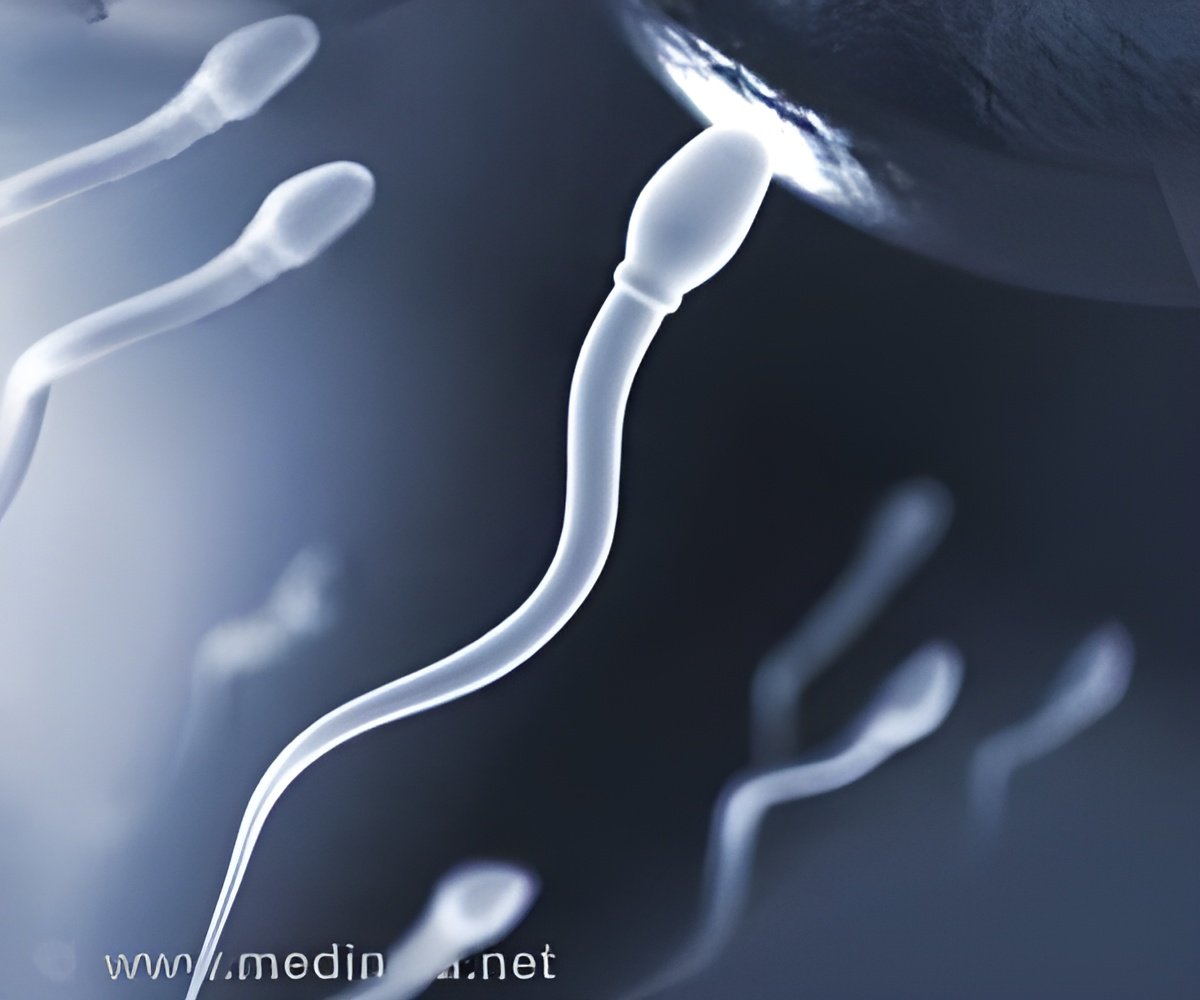
The sperm are 'morphologically normal' (normal-looking). But, it is not known whether the tiny cells are up to the job of creating babies.

About Male Infertility
Encyclopedia section of medindia briefs you about the Genetics of Male Infertility
Encyclopedia section of medindia briefs you about the Genetics of Male Infertility
The researchers said, "The sperm are 'morphologically normal' (normal-looking). It is not known whether the tiny cells are up to the job of creating babies. The next step is to try and give life to rats with rat sperm created using the method."
Project member Philippe Durand said, "We must see if the baby rats are normal, whether they are able to reproduce. Then there will be a battery of tests with the lab-manufactured human sperm, to compare it to ordinary sperm, and finally clinical trials."
In Vitro Fertilization (IVF) - Introduction To Infertility and Reproduction
Encyclopedia section of medindia gives a brief introduction to infertility and reproduction
Encyclopedia section of medindia gives a brief introduction to infertility and reproduction
Source-AFP
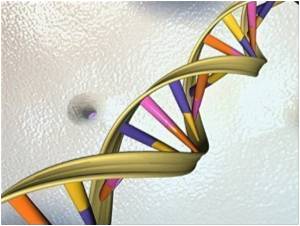
Key Genetic Deletions Contribute To Male Infertility
In men, two spontaneously recurring deletions along a complex region of the Y chromosome are responsible for approximately 8% of cases of failed sperm production.
In men, two spontaneously recurring deletions along a complex region of the Y chromosome are responsible for approximately 8% of cases of failed sperm production.
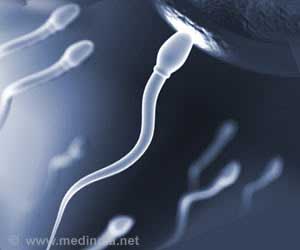
Break-Through Treatment For Male Infertility Brings New Hope
Scientists at the Queen's University have revealed a unique fertility treatment that could improve male infertility. Pulmonary Artery Wedge Pressure (PAWP) helps trigger fertilisation.
Scientists at the Queen's University have revealed a unique fertility treatment that could improve male infertility. Pulmonary Artery Wedge Pressure (PAWP) helps trigger fertilisation.
 Email
Email