MEDINDIA
 English
 हिन्दी
 Español
 français
 中文
中文
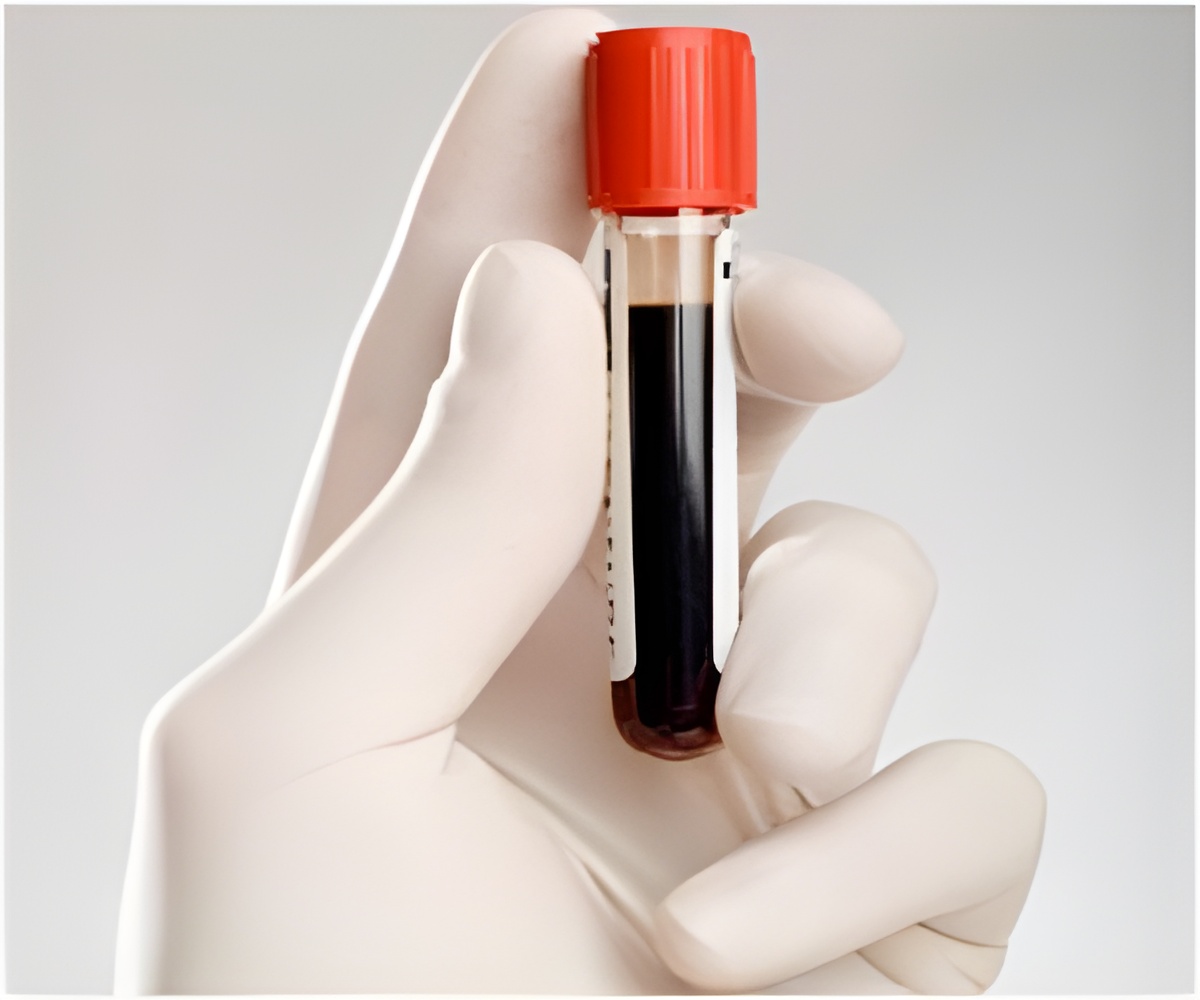
The non-invasive fecal occult blood test is used as a effective tool to screen for bleeding without symptoms in the lower gastrointestinal tract.
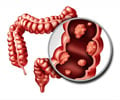
Colorectal Cancer - Types, Causes, Risk Factors, Symptoms, Diagnosis, Treatment, Prognosis & Prevention
Colorectal cancer is a cancer that starts in the colon or the rectum. Colorectal cancer is the third most common cancer in men.
Colorectal cancer is a cancer that starts in the colon or the rectum. Colorectal cancer is the third most common cancer in men.
Of the total participants in the study, 397 people (14.2%) had a positive iFOBT result, indicating bleeding. The iFOBT was specific for almost 90% of colorectal cancers, adenomas and important lower GI lesions. Lower GI lesions were more common (24.1%) compared with those in the upper GI tract (17.9%). Lesions in the lower GI tract were more frequent in iFOBT-positive screens than in negative screens (41.3% versus 21.3%), whereas the frequency of lesions in the upper GI tract was similar in both positive and negative screens.
"Among participants found to have a malignant lesion, almost all who had colon cancer had a positive fecal test result (27/28, 96.4%). In contrast, none of the three participants found to have esophageal or gastric cancer had a positive fecal test result," writes Ming-Shiang Wu, Department of Internal Medicine, National Taiwan University, Taiwan, with coauthors.

Colonoscopy Procedure
An animation of Colonoscopy that shows the appearance of large intestine or colon by using a thin and flexible viewing tube called the colonoscope.
An animation of Colonoscopy that shows the appearance of large intestine or colon by using a thin and flexible viewing tube called the colonoscope.
Source-Eurekalert

know your digestive system
Digestion, is a process when food particles are broken down into simpler molecules then absorbed into the cells of the body. Know about the interesting fact of the anatomy of the digestive system.
Digestion, is a process when food particles are broken down into simpler molecules then absorbed into the cells of the body. Know about the interesting fact of the anatomy of the digestive system.

Gastrointestinal Tract "safe" from Acidic Food Content
Beverages like fruit juices, soft drinks, alcohol, etc., which score high on the acidic content, are not harmful to the upper gastrointestinal tract (GI), says a new study.
Beverages like fruit juices, soft drinks, alcohol, etc., which score high on the acidic content, are not harmful to the upper gastrointestinal tract (GI), says a new study.
 Email
Email