Food and Drug Administration (FDA) approves a new drug for treatment-resistant forms of tuberculosis that affects the lungs.

Screening Tests for Tuberculosis
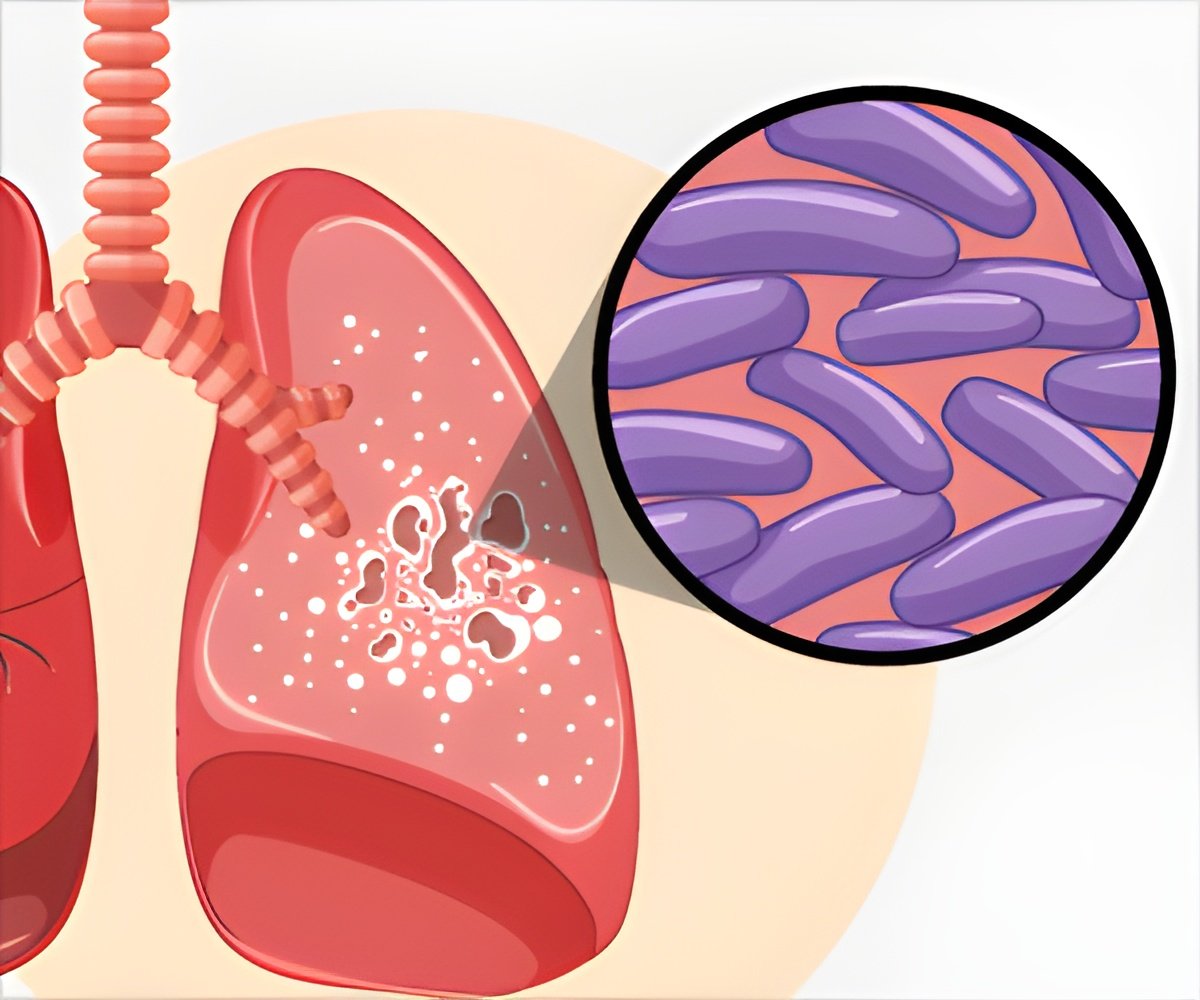
Tuberculin skin test and Interferon – Release Assays are tests used to screen for tuberculosis.
Tuberculin skin test and Interferon – Release Assays are tests used to screen for tuberculosis.
‘A new pill has been approved by the FDA as part of a potent, three-pronged treatment regimen for the most deadly strain of tuberculosis.’
Read More..




In 2017, a total of 10 million people fell ill with tuberculosis, and 1.6 million died from the disease, according to the World Health Organization (WHO). Read More..
In 2016, there were an estimated 490,000 new cases of multidrug-resistant tuberculosis worldwide, with a smaller portion of cases of highly-lethal extensively drug-resistant tuberculosis, according to WHO.
The new drug's safety and effectiveness, taken orally in combination with bedaquiline and linezolid, was primarily demonstrated in a study of 109 patients with extensively drug-resistant pulmonary tuberculosis. Of the 107 patients who were evaluated six months after the end of therapy, 95 (89 percent) were deemed as successes, significantly exceeding the historical success rates for treatment of extensively drug-resistant tuberculosis, according to FDA.

Diet in Tuberculosis | Tuberculosis Diet
Patients with tuberculosis should eat a healthy diet so that they build up their immunity to fight against tuberculosis.
Patients with tuberculosis should eat a healthy diet so that they build up their immunity to fight against tuberculosis.
It is the third FDA-approved anti-tuberculosis drug in more than 40 years.
Advertisement
Tuberculosis - Spread - Symptoms - Diagnosis - Treatment - FAQs
Tuberculosis, caused by Mycobacterium tuberculosis, primarily affects the lung. It may spread to other organs.
Tuberculosis, caused by Mycobacterium tuberculosis, primarily affects the lung. It may spread to other organs.

World Tuberculosis Day - It's Time for Action
World Tuberculosis (TB) Day is observed every year on 24th March to raise awareness about the disease and its devastating consequences. The theme for this year 2019 is ‘It’s Time’ with emphasis on acting on commitments made so far to eradicate TB.
World Tuberculosis (TB) Day is observed every year on 24th March to raise awareness about the disease and its devastating consequences. The theme for this year 2019 is ‘It’s Time’ with emphasis on acting on commitments made so far to eradicate TB.