MEDINDIA
 English
 हिन्दी
 Español
 français
 中文
中文
US FDA approved trilaciclib to offer protection against chemotherapy-induced myelosuppression in patients with extensive-stage small cell lung cancer (ES-SCLC).

Combination Therapy Helps Overcome Resistance In Lung Cancer Patients
In non-small-cell lung carcinoma (NSCLC) type of lung cancer, combination of alectinib and ixazomib can help overcome resistance to alectinib in patients with ALK gene rearrangement.
In non-small-cell lung carcinoma (NSCLC) type of lung cancer, combination of alectinib and ixazomib can help overcome resistance to alectinib in patients with ALK gene rearrangement.
TOP INSIGHT

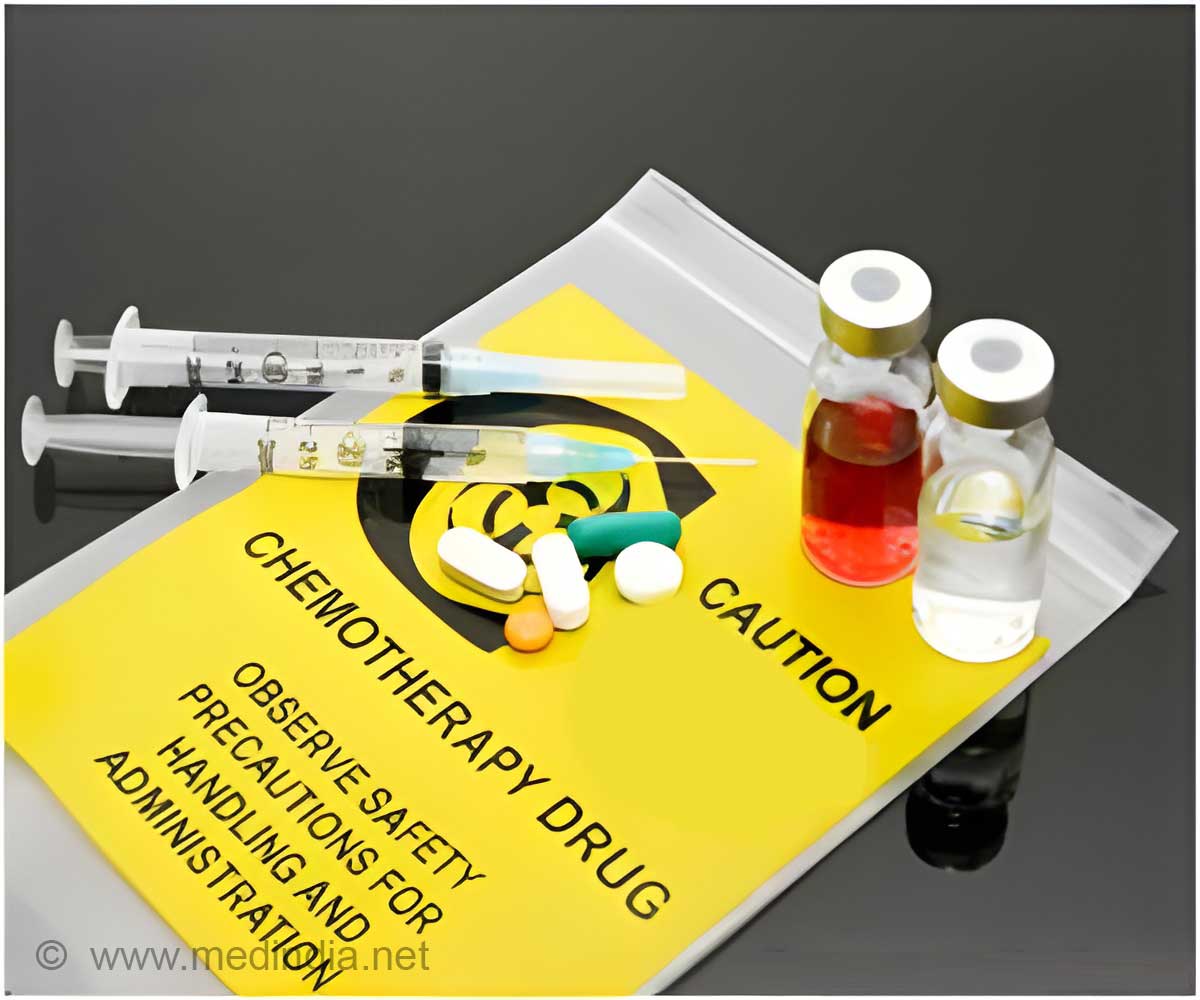
Myelosuppression is a life-threatening effect of chemotherapy. US FDA approved trilaciclib to offer protection against chemotherapy-induced myelosuppression in patients with extensive-stage small cell lung cancer (ES-SCLC).
Read More..
Trilaciclib: First Drug Of Its Kind
The manufacturer said that trilaciclib is the first and only therapy designed to help protect bone marrow (myeloprotection) when given before chemotherapy.
About Chemotherapy Drugs
Chemotherapy drugs perform like ‘magic bullets’ to destroy cancer cells in the body.
Chemotherapy drugs perform like ‘magic bullets’ to destroy cancer cells in the body.
The company said, “These complications impact patients' quality of life and may also result in chemotherapy dose reductions and delays. To date, approaches have included the use of growth factor agents to accelerate blood cell recovery after the bone marrow injury has occurred, along with antibiotics and transfusions as needed. By contrast, trilaciclib provides the first proactive approach to myelosuppression through a unique mechanism of action that helps protect the bone marrow from damage by chemotherapy.”

Quiz on Chemotherapy Drugs
Chemotherapy involves the administration of medications to fight cancer. Test your knowledge on chemotherapeutic medications by taking this quiz.
Chemotherapy involves the administration of medications to fight cancer. Test your knowledge on chemotherapeutic medications by taking this quiz.
Three randomized, double-blind, placebo-controlled studies were conducted that involved 245 patients with ES-SCLC. These patients were administered chemotherapy regimens that were based on the combination of etoposide and carboplatin (with or without the immunotherapy atezolizumab) or regimens that were based on topotecan.

Quiz on Lung Cancer
Lung cancer and smoking are closely associated. Lung cancer risk increases with the intensity of smoking. For more details, take this quiz.
Lung cancer and smoking are closely associated. Lung cancer risk increases with the intensity of smoking. For more details, take this quiz.
The results showed that the patients who had received an infusion of trilaciclib before receiving chemotherapy had a lower chance of developing severe neutropenia (low white blood cell count) when compared with patients who received a placebo. Additionally, those patients who did develop severe neutropenia had shorter duration than those who received placebo.
The most common side effects seen with trilaciclib included fatigue, low levels of potassium, phosphate, and calcium in blood, elevated liver enzymes- aspartate aminotransferase, headache, and pneumonia.
In the future, clinical trials will be conducted by the company to assess the effect of trilaciclib on disease progression or survival with at least a 2-year follow up.
Source-Medindia
 Email
Email