MEDINDIA
 English
 हिन्दी
 Español
 français
 中文
中文
Fatty liver disease should be considered a high-risk condition in pregnancy and that women with NAFLD should receive preconception counseling regarding these risks, revealed new study.
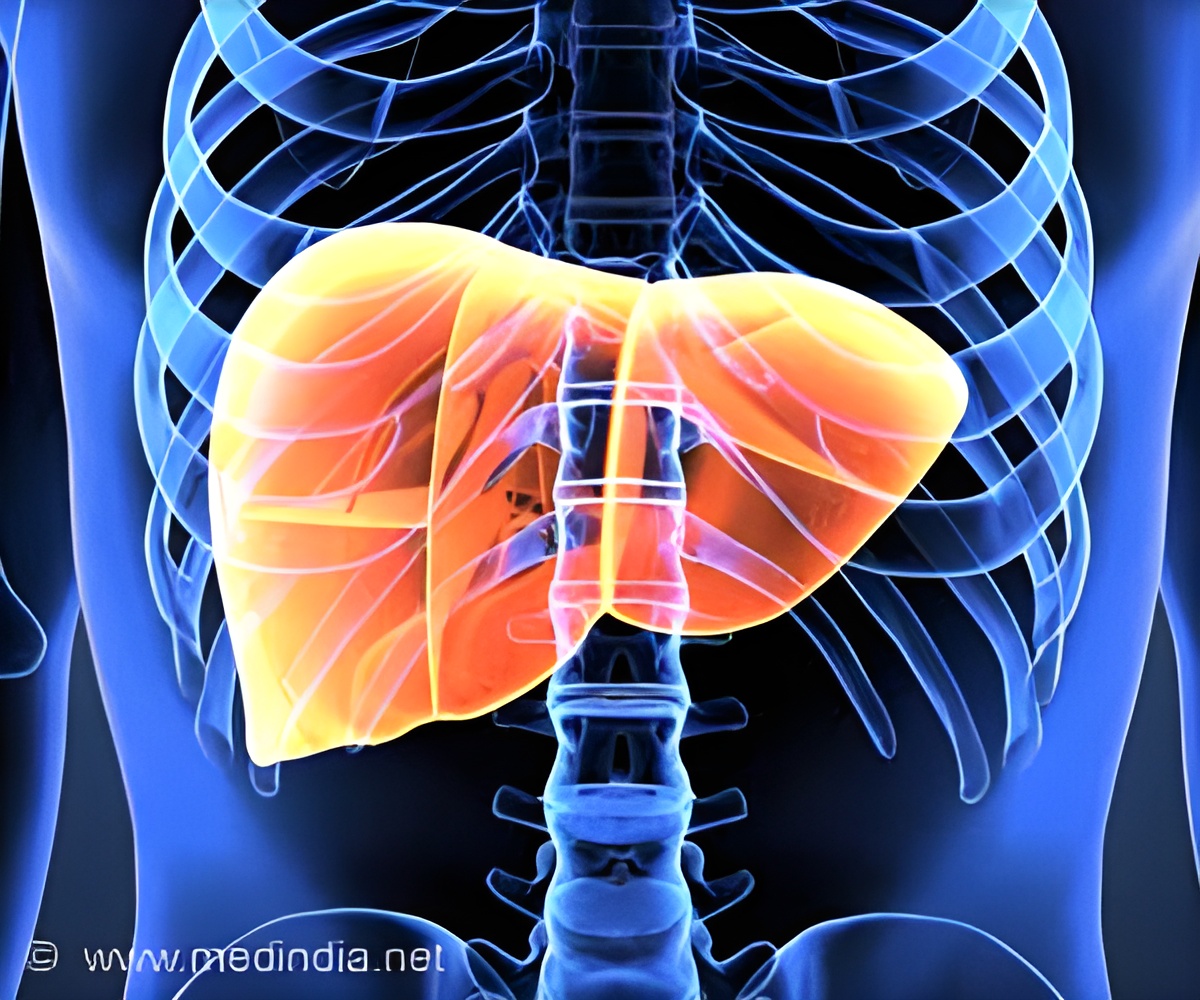
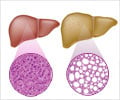
Fatty Liver Disease: A Growing Health Problem in India - Causes, Symptoms, Diagnosis, Treatment
Non alcoholic fatty liver disease (NAFLD) is the leading cause of liver dysfunction worldwide and is a rapidly growing health problem in India.
Non alcoholic fatty liver disease (NAFLD) is the leading cause of liver dysfunction worldwide and is a rapidly growing health problem in India.
TOP INSIGHT

Non-alcoholic fatty liver disease (NAFLD) in pregnancy has nearly tripled over the past ten years. It increases risks for both mother and baby, including hypertensive complications of pregnancy, bleeding after delivery, and preterm birth.
"Emerging US data highlight the largest rise in NAFLD incidence among adults under 40 years of age, and NASH is now the leading indication for liver transplantation in young adults," explained lead investigator Monika Sarkar, MD, University of California, San Francisco, Division of Gastroenterology and Hepatology, San Francisco, CA, USA. "The public health implications of NAFLD and NASH in young adults, including women of childbearing age, are therefore vast. In the current study, we investigate the implications of NAFLD in young women and demonstrate that it does indeed confer distinct risks for their pregnancies, including both maternal and perinatal health."
Investigators used hospital discharge records from the US National Inpatient Sample database from 2007-2016 to evaluate temporal trends of NAFLD in around 18.5 million women 18 years or older who gave birth after 20 weeks of gestation, including live and stillbirths. Of these women, 5,640 had NAFLD and 115,210 had other, non-NAFLD CLD. Pregnancies with NAFLD nearly tripled from 10.5 of 100,000 pregnancies in 2007 to 28.9 of 100,000 pregnancies in 2015.

Quiz on Liver
How many of us know that the liver is a vital organ the size of an American Football? To understand more about the liver and its functions spend a few minutes taking part in this quiz.
How many of us know that the liver is a vital organ the size of an American Football? To understand more about the liver and its functions spend a few minutes taking part in this quiz.
"These data support the need for more routine consideration of NAFLD in pregnancy, particularly in women with existing metabolic comorbidities," commented Dr. Sarkar. "Women with NAFLD warrant preconception counseling regarding maternal and perinatal risks, as well as management by a high-risk obstetrician during pregnancy.
Pregnancy and Complications
In-depth guide for expecting mothers to overcome health complications related to early or late pregnancy. Anemia, urinary infection, diabetes, premature labor to name a few.
In-depth guide for expecting mothers to overcome health complications related to early or late pregnancy. Anemia, urinary infection, diabetes, premature labor to name a few.
Source-Eurekalert
Gestational Diabetes Calculator or Pregnancy Diabetes Calculator (WHO)
Gestational diabetes calculator checks post prandial and fasting blood sugar level to tell if you have pregnancy diabetes. Know about gestational diabetes diet and more using this calculator.
Gestational diabetes calculator checks post prandial and fasting blood sugar level to tell if you have pregnancy diabetes. Know about gestational diabetes diet and more using this calculator.
 Email
Email