MEDINDIA
 English
 हिन्दी
 Español
 français
 中文
中文
Combining CRISPR-Cas9 and the new method to rapidly grow human astrocytes provides improved possibilities to study the role of astrocytes in various neurological diseases.

TOP INSIGHT

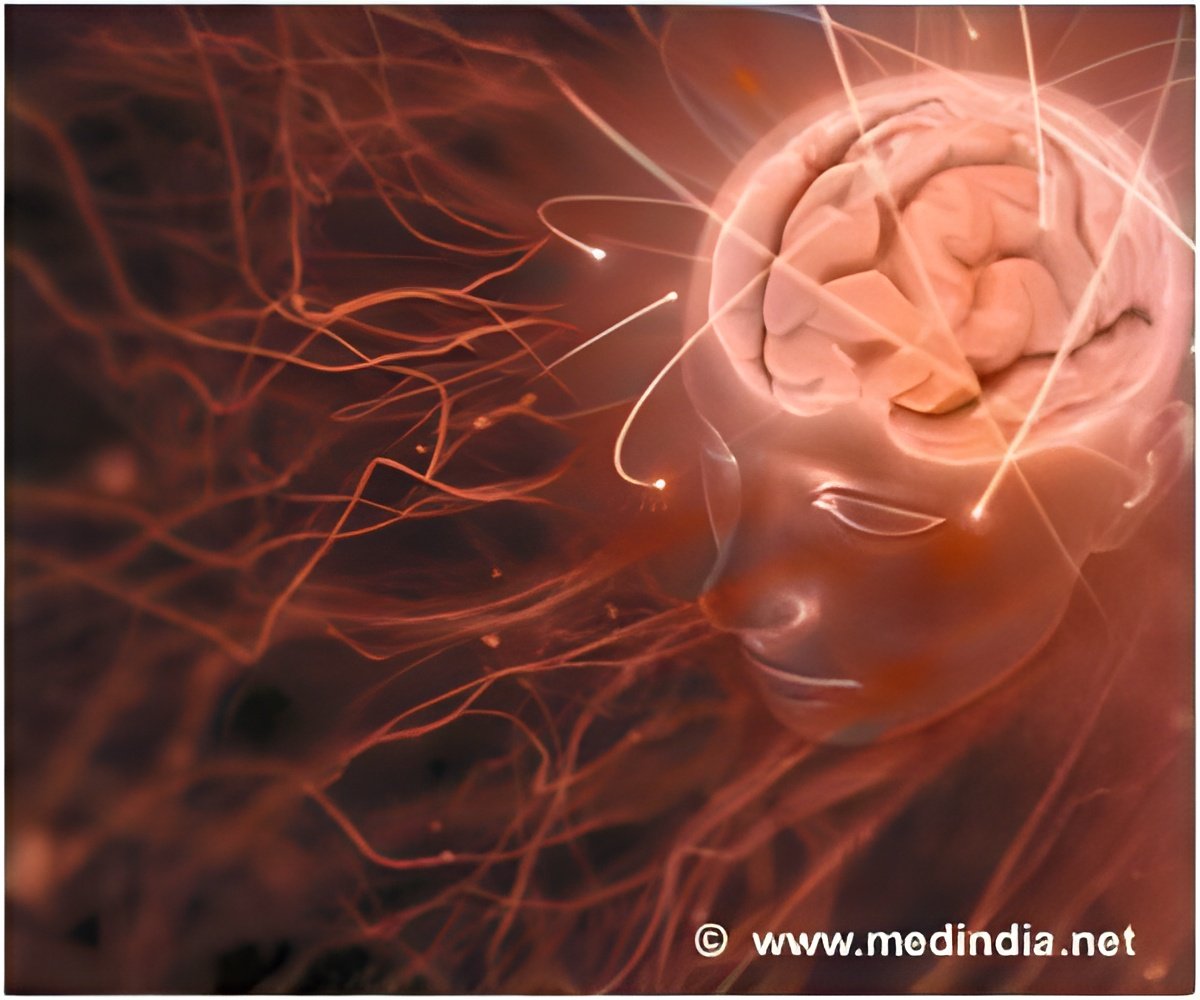
A faster method to generate functional brain cells, called astrocytes, from embryonic stem cells developed.
One challenge that researchers have faced is the difficulty in obtaining human astrocytes to study. There are ways to grow astrocytes in the lab, but it has taken a long time and proved difficult, expensive and complicated.
"Previous methods have succeeded in producing human astrocytes from embryonic stem cells, but it has taken months. Using our method, it takes one to two weeks to produce large amounts of fully functional human astrocytes", says Henrik Ahlenius.

Quiz on Stem Cells
Scientists believe (and are working hard) to use stem cells in the future to treat a wide range of diseases and injuries. But what exactly is a stem cell? How can it be used in curing disorders? See if you get your answers from this quiz.
Scientists believe (and are working hard) to use stem cells in the future to treat a wide range of diseases and injuries. But what exactly is a stem cell? How can it be used in curing disorders? See if you get your answers from this quiz.
"Many researchers have previously used embryonic stem cells to generate astrocytes, but these methods have attempted to mimic the normal development of an embryo's stem cell when developing an astrocyte in an individual, which requires a time-consuming and complicated approach", says Henrik Ahlenius.

Quiz on Cancer
Cancer, is the second most leading cause of death worldwide. Cancer is not just one disease but many diseases. There are more than 100 different types of cancer. Take this quiz on and test how much you know about cancer.
Cancer, is the second most leading cause of death worldwide. Cancer is not just one disease but many diseases. There are more than 100 different types of cancer. Take this quiz on and test how much you know about cancer.
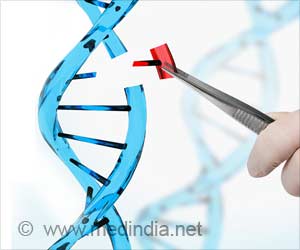
The cells' use in studying diseases of the brain has been shown by the research team through employing CRISPR-Cas9, popularly known as gene editing, to insert a mutation in the embryonic stem cells that gives rise to the serious brain condition Alexander disease. They subsequently used the new method to change healthy and mutated stem cells into astrocytes.
New Molecular Matrix Helps Deliver Healing Stem Cells Efficiently to Injured Aging Muscles
New molecular matrix may help deliver healing stem cells effectively to injured aging muscles which boosts the healing process.
New molecular matrix may help deliver healing stem cells effectively to injured aging muscles which boosts the healing process.
Source-Eurekalert
 Email
Email