MEDINDIA
 English
 हिन्दी
 Español
 français
 中文
中文
Extending the U.S. human papillomavirus (HPV) vaccination program to include women and men through age 45 would produce relatively small health benefits compared with the current immunization program.

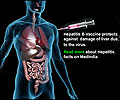
Hepatitis B-Causes-Symptoms-Diagnosis-Treatment-Vaccination-FAQs
Hepatitis B is inflammation of the liver due to infection with the hepatitis B virus.
Hepatitis B is inflammation of the liver due to infection with the hepatitis B virus.
TOP INSIGHT

Advanced age is a strong determinant of post-AMI mortality in the six months after hospital discharge.
Read More..
HPV vaccination program. Different strategies were compared with routine vaccination of all adolescents at age 11-12 years and vaccination through age 26 for women and 21 for men who were not vaccinated previously. The model showed that the current vaccination strategy in the U.S. will substantially reduce HPV-associated diseases and is cost saving, whereas vaccinating mid-adult women and men through age 45 years is predicted to produce small additional reductions in HPV-associated diseases and result in substantially higher cost-effectiveness ratios than the current recommendations.
These findings suggest that policies extending HPV vaccination programs to include middle-aged adults may produce relatively small population benefit.

Vaccination for Children
Vaccines are biological products that impart immunity to the recipient. Vaccines may be live attenuated, killed or toxoids.
Vaccines are biological products that impart immunity to the recipient. Vaccines may be live attenuated, killed or toxoids.
2. Novel risk model predicts mortality for older adults within 6 months of hospitalization for AMI

Chicken Pox | Varicella Causes Symptoms Diagnosis Treatment Complications FAQs
Chicken pox is an acute and highly contagious viral infection caused by the varicella zoster virus.
Chicken pox is an acute and highly contagious viral infection caused by the varicella zoster virus.
Advanced age is a strong determinant of post-AMI mortality in the 6 months after hospital discharge. Whereas older adults often have worse outcomes compared to their younger counterparts, some older patients do very well. Clinical practice guidelines endorse routine use of AMI mortality risk models to assist with decision making after AMI hospitalization, but those risk models were derived from younger cohorts and may not work as well in older adults, who tend to have different risk factors for death.
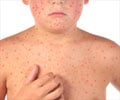
Measles | Rubeola - Causes, Symptoms, Complications, Diagnosis, Treatment, Prevention
Measles is a viral infection with symptoms of fever,and rashes. Measles is prevented by vaccination and staying away from the infected individuals.
Measles is a viral infection with symptoms of fever,and rashes. Measles is prevented by vaccination and staying away from the infected individuals.
The model considered several factors relevant to older adults that had not been considered in prior AMI risk models. The researchers found that by considering factors such as mobility and sensory impairments, cachexia, and health status, their model had good discrimination, was well-calibrated, and performed better than or as well as existing risk models.
Source-Eurekalert
 Email
Email