MEDINDIA
 English
 हिन्दी
 Español
 français
 中文
中文
The sale of energy drinks to children should be banned after studies indicated that teenagers are drinking up to a litre of the sugar and caffeine drinks in one go.
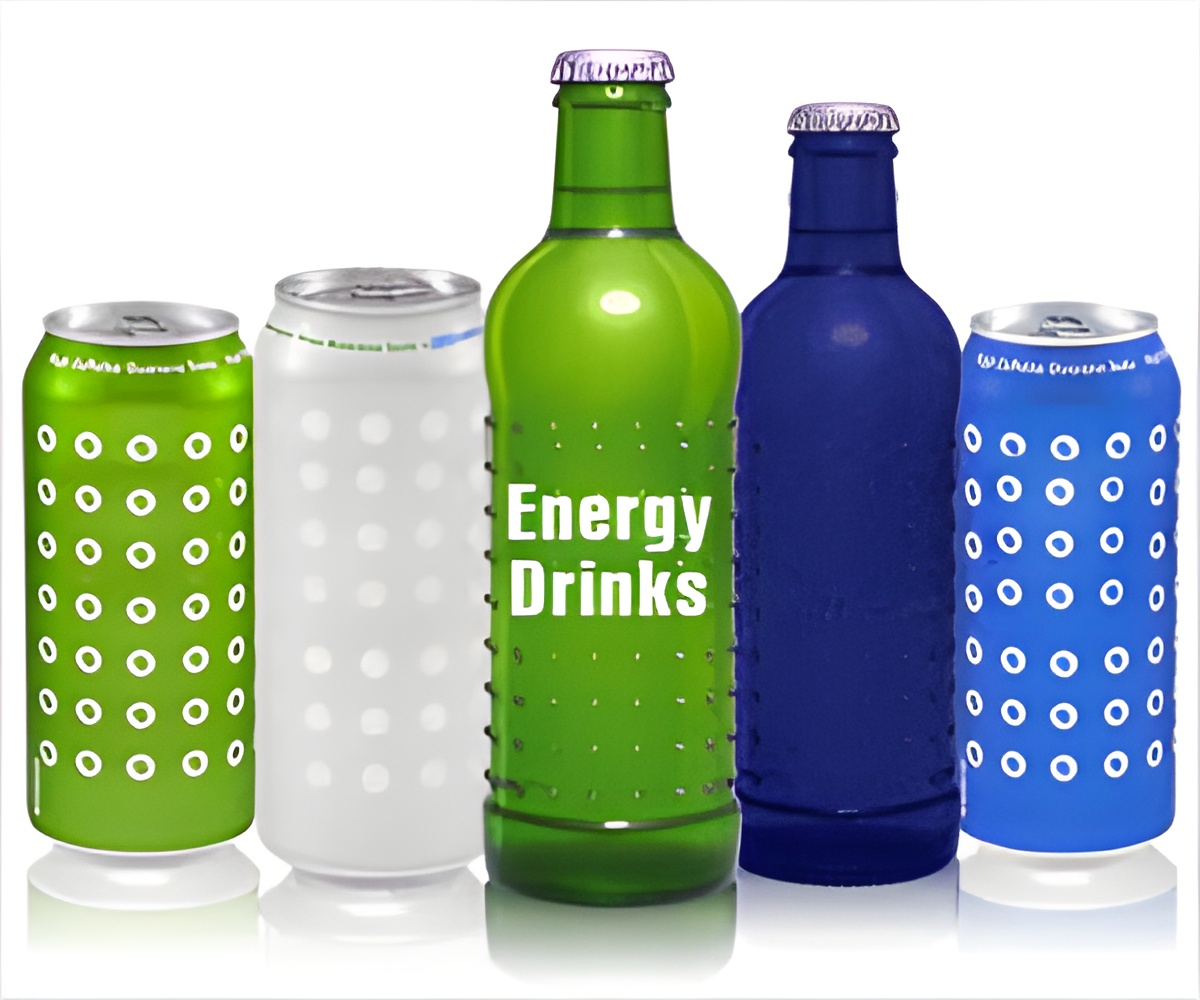

Energy Drinks - Power or Hype?
Energy drinks come with the promise of giving a boost during a workout unlike anything an energy rich food can provide. This discussion will give an insight to the pros and cons of energy drinks.
Energy drinks come with the promise of giving a boost during a workout unlike anything an energy rich food can provide. This discussion will give an insight to the pros and cons of energy drinks.
TOP INSIGHT

The recommended quantity of intake of caffeine is 105mg and that of sugar is 30g, per day. Many of the health drinks contain more than the daily recommended quantity. This leads to a whole array of health and behavioral issues.
A survey involving 16 European countries found that 68% of 11 to 18 year olds and 18% of children aged 10 years and under, consume energy drinks, with 11% of the older group and 12% of children drinking at least a litre in a single session. A single can of popular brands in the market can contain around 160mg of caffeine, while the European Food Safety Authority recommends an intake of no more than 105mg of caffeine and 30g of sugar per day for an average 11-year-old.
Dr Shelina Visram, lecturer in public policy and health at Durham University energy drink consumption among youth is a growing concern because of their high caffeine and sugar content.

Alcohol With Energy Drinks - The Bad Mix
Youngsters around the world are combining alcohol with energy drinks. Studies show that consuming this combination could have severe health impacts.
Youngsters around the world are combining alcohol with energy drinks. Studies show that consuming this combination could have severe health impacts.
British Soft Drinks Association director general Gavin Partington said, "The latest review by the European Food Safety Authority (EFSA) in 2015 confirms that energy drinks are safe and make up a very small part of the caffeine intake of adolescents and a negligible amount amongst children."

Campaign Against Caffeine-Laden Drinks by Jagerbombed Woman
A protest campaign has been launched by a British woman who had three heart attack strokes and was temporarily dead after drinking 10 shots of caffeine laden drink.
A protest campaign has been launched by a British woman who had three heart attack strokes and was temporarily dead after drinking 10 shots of caffeine laden drink.
Source-Medindia

Added Sugar in Soft Drinks May Damage Your Heart
Having one or two servings a day of sugar-sweetened soft drinks has been connected to a 35% greater risk of heart attack or fatal heart disease.
Having one or two servings a day of sugar-sweetened soft drinks has been connected to a 35% greater risk of heart attack or fatal heart disease.
 Email
Email