MEDINDIA
 English
 हिन्दी
 Español
 français
 中文
中文
UCLA researchers have developed a new therapy that mimics the effects of hepcidin in mice.
Anemia | Low Hemoglobin (Haemoglobin) Causes Symptoms Diagnosis Treatment FAQs
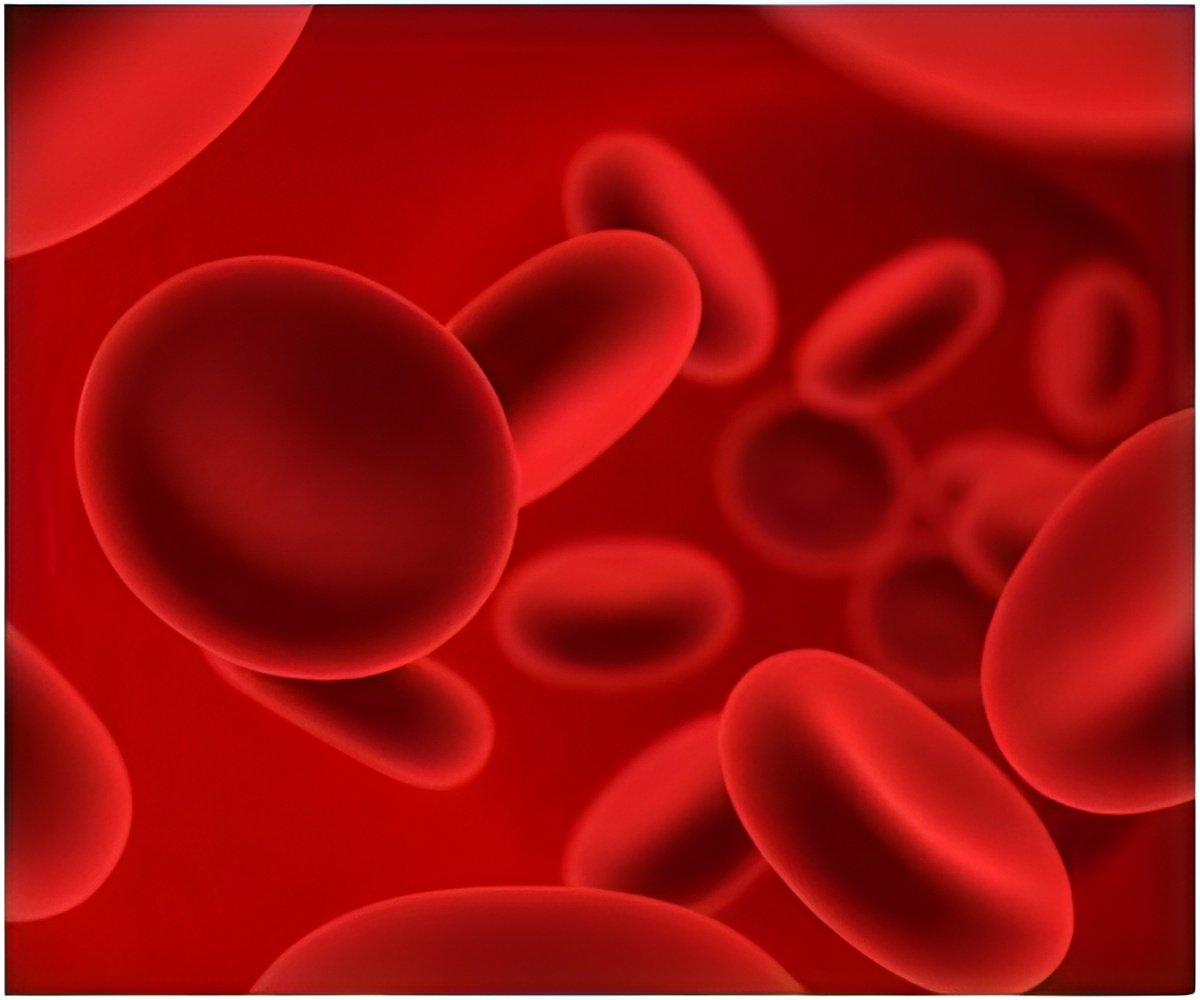
Anemia is a condition in which the red blood cell (RBC) count or hemoglobin is less than normal.
Anemia is a condition in which the red blood cell (RBC) count or hemoglobin is less than normal.
Nemeth, co-director of the UCLA Center for Iron Disorders, noted that this is the first attempt to develop medications that mimic hepcidin. Because hepcidin contains 25 amino acids and numerous disulfide bonds, it would be expensive and difficult to reproduce the hormone as a medication.
The UCLA team zeroed in on the areas of hepcidin and ferroportin that provided the best fit to generate iron-regulating activity. Surprisingly, they found that the first third of the

Slide Animation on 'Blood Groups, Blood Typing and Blood donation'
Slide animation providing comprehensive explanation about Blood Groups, Blood Typing and Blood Donation.
Slide animation providing comprehensive explanation about Blood Groups, Blood Typing and Blood Donation.
Source-Eurekalert

New Enzyme Function for Anemia Discovered
A new function for an enzyme that may protect against organ injury and death from anemia has been discovered by researchers at St. Michael's Hospital.
A new function for an enzyme that may protect against organ injury and death from anemia has been discovered by researchers at St. Michael's Hospital.
Anemia Drug, Eprex, Recalled by Johnson & Johnson
Johnson & Johnson has announced the recall of close to 200,000 syringes of Eprex, a drug used to treat anemia.
Johnson & Johnson has announced the recall of close to 200,000 syringes of Eprex, a drug used to treat anemia.
 Email
Email