MEDINDIA
 English
 हिन्दी
 Español
 français
 中文
中文
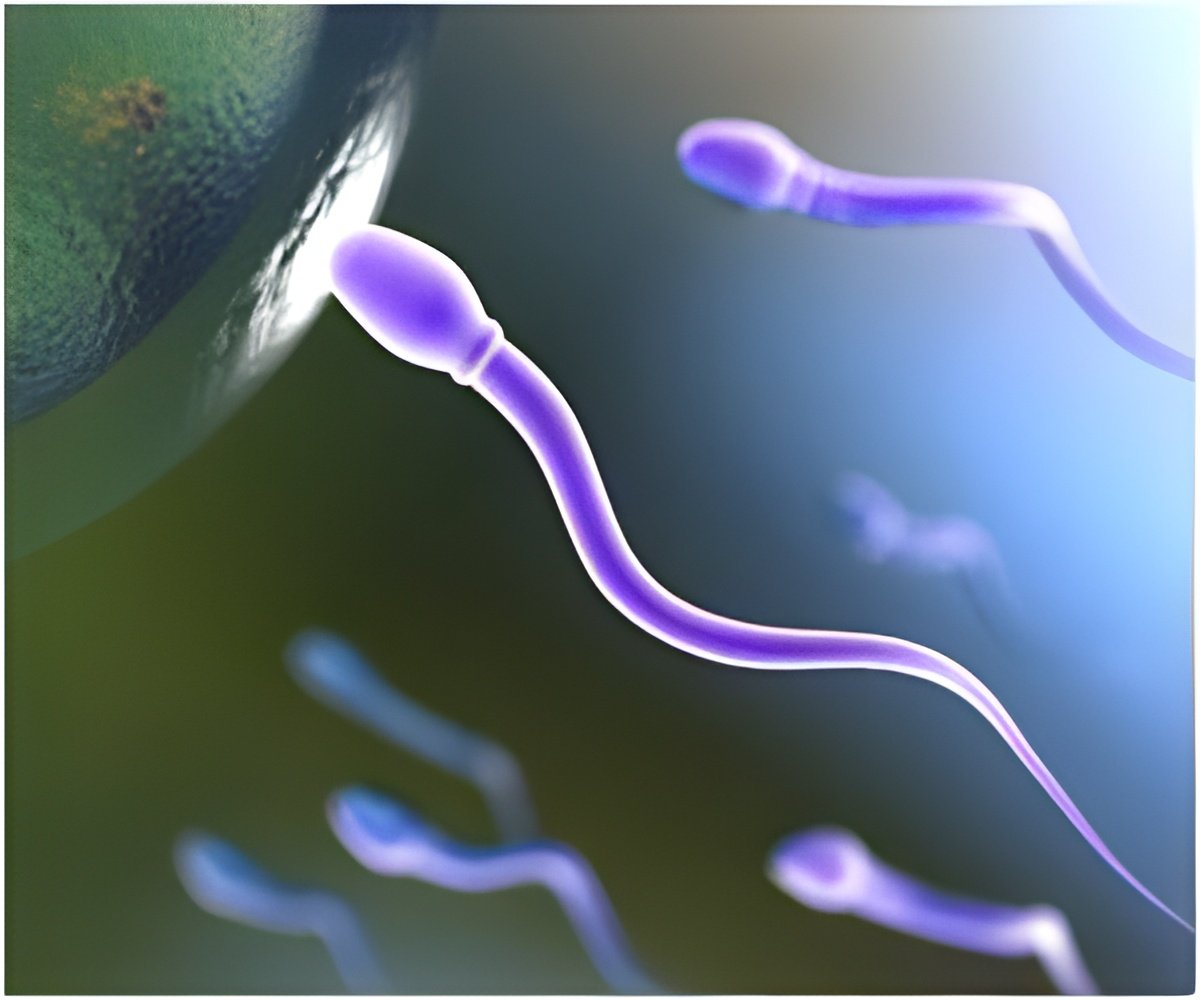
Frozen testicular tissue biopsies contain stem cells, blank slate cells, hinting at the potential of generating sperm from biopsied tissue.
New Method for Cryopreservation Developed
Natural antifreeze proteins inspired revolutionary bacteria cryopreservation technique, found study.
Natural antifreeze proteins inspired revolutionary bacteria cryopreservation technique, found study.
TOP INSIGHT

All patients be counseled and referred for fertility preservation before beginning medical treatments known to cause infertility.
An estimated 2,000 U.S. boys and young men each year receive treatments or have cancers or blood disorders that place them at risk for infertility. While older youths who have undergone puberty can bank their sperm prior to undergoing sterilizing doses of chemotherapy or radiation, there have been scant fertility preservation options for younger boys. However, some older adolescents and young men are too sick or stressed to bank sperm.
"This study demonstrates that undifferentiated stem and progenitor spermatogonia may be recovered from the testicular tissues of patients who are in the early stages of their treatment and have not yet received an ablative dose of therapy. The function of these spermatogonia was not tested," writes lead author Hanna Valli-Pulaski, Ph.D., research assistant professor at the University of Pittsburgh, and colleagues in a study published online May 21, 2019, in Human Reproduction.

Quiz on Male Infertility
Infertility affects 1 in 6 couples who are trying to conceive. In about 50% of these cases, male infertility is a major contributing factor.
Many disorders and factors could contribute towards male infertility and treatment pattern may vary in several cases. However, in many instances treatment may also not work at all. Infertility may be attributed to testicular damage and thereby affecting its ability to produce sperm. In such cases, testicles may not gain its usual sperm-making ability back and thus can't be treated. Other than testicular damage, prime causes of male infertility are less sperm production and poor sperm quality.
Infertility affects 1 in 6 couples who are trying to conceive. In about 50% of these cases, male infertility is a major contributing factor.
Many disorders and factors could contribute towards male infertility and treatment pattern may vary in several cases. However, in many instances treatment may also not work at all. Infertility may be attributed to testicular damage and thereby affecting its ability to produce sperm. In such cases, testicles may not gain its usual sperm-making ability back and thus can't be treated. Other than testicular damage, prime causes of male infertility are less sperm production and poor sperm quality.

Foods to Boost Your Sex Drive Naturally
Sex drive can be increased by foods that increase estrogen and testosterone levels, produce nitric oxide, help reduce stress and create better blood flow.
Sex drive can be increased by foods that increase estrogen and testosterone levels, produce nitric oxide, help reduce stress and create better blood flow.
In this phase of the study, testicular tissue was collected from centers in the U.S. and Israel from January 2011 to November 2018 and cryopreserved. Patients designated 25% of the tissue sample to be used for the research study; 75 percent remains stored in liquid nitrogen at temperatures close to absolute zero for the patient's future use. The fertility preservation patients ranged from 5 months old to 34 years old, with an average age of 7.9 years.

Future Babies Through Frozen Eggs
The first frozen oocyte pregnancy in India has been reported from the Chennai-based GG hospital Fertility Research Centre.
The first frozen oocyte pregnancy in India has been reported from the Chennai-based GG hospital Fertility Research Centre.
The research team found that the number of undifferentiated spermatogonia per seminiferous tubule increase steadily with age until about age 11, then rise sharply. “Because the decision to participate may be delayed, it is encouraging that we were able to recover undifferentiated spermatogonia from the testes of patients already in the early stages of chemotherapy treatments," Dr. Hsieh says.
Source-Eurekalert
 Email
Email