MEDINDIA
 English
 हिन्दी
 Español
 français
 中文
中文
Persistent exercise during leisure time from childhood to adulthood was linked to increased and more frequent fruit and vegetable consumption when compared to persistent low activity or inactivity, found new study.

Mantra to Prevent Childhood Obesity � Vigorous Physical Activity
Being physically very active is the mantra to prevent pediatric obesity rather than concentrating efforts at restricting energy consumption.
Being physically very active is the mantra to prevent pediatric obesity rather than concentrating efforts at restricting energy consumption.
TOP INSIGHT

A physically active lifestyle and a diet rich in vegetables and fruits have a central role in promoting health by preventing non-communicable diseases.
While the inactive, low-active and decreasingly active participants generally showed the lowest levels of fruit and vegetable consumption in adulthood when compared to the persistently or increasingly active participants, a slight increasing trend in fruit and vegetable consumption was observed in the less active subgroups during the most recent measurements.
"These results are in line with the National FINRISK Study, which shows how the trend in fruit and vegetable consumption in Finland has been rising during the 21st century," says Lounassalo. "Nonetheless, not many manage to reach the recommended 500 grams of fruits and vegetables a day, but the course is promising."
Weight Loss Calculator
Weight Loss Calculator calculates calories needed to lose weight for men and women. Find out the amount of calories burned while doing exercises for weight loss and check the list of low calorie foods.
Weight Loss Calculator calculates calories needed to lose weight for men and women. Find out the amount of calories burned while doing exercises for weight loss and check the list of low calorie foods.
"To achieve favorable changes in these behaviors, cross-government and multisectoral approaches that facilitate the integration of physical activity and higher fruit and vegetable consumption in multiple daily settings are needed," says Lounassalo. "Especially putting effort into adopting or maintaining a physically active lifestyle along with healthy dietary habits, starting from adolescence, would be important for health later in life."

Quiz on Weight Loss
If you thought fried foods, processed foods and potato are the bad guys in your weight loss plan, you thought right! Take this quiz and find out what actually can help you get the figure you always wanted.
If you thought fried foods, processed foods and potato are the bad guys in your weight loss plan, you thought right! Take this quiz and find out what actually can help you get the figure you always wanted.

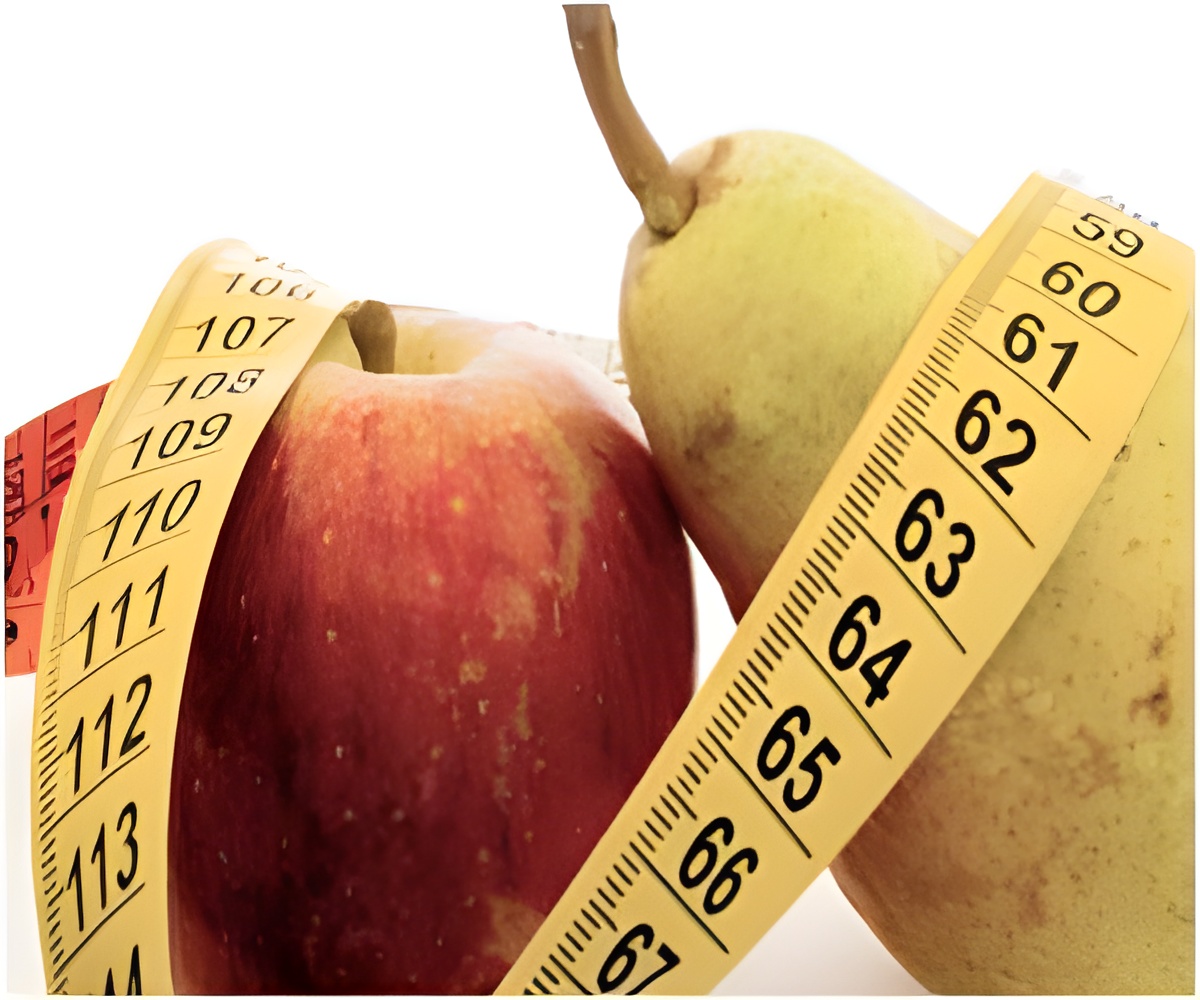
Top Vegetables and Fruits for Healthy Diet
Include vegetables and fruits as part of your diet and improve your overall health.
Include vegetables and fruits as part of your diet and improve your overall health.
 Email
Email