MEDINDIA
 English
 हिन्दी
 Español
 français
 中文
中文
Alcohol drinkers with high income would pay nearly $3 in $4 of the increased cost of alcohol following the state alcohol tax increases.


Alcohol Abuse - Alcohol Addiction - Treatment � Rehab among Woman
Social drinking amongst women has become a fad. Stop it before it finishes you.
Social drinking amongst women has become a fad. Stop it before it finishes you.
TOP INSIGHT

Excessive alcohol consumption is responsible for approximately 88,000 deaths in the U.S. each year, including 1 in 10 total deaths among working-age adults.
"This study shows that, contrary to popular opinion, alcohol tax increases don't unfairly burden those who drink less or are financially disadvantaged," said Tim Naimi, MD, MPH, physician and alcohol epidemiologist at BMC who is the lead author of the study. "This is important because many studies have found that raising the cost of alcohol through taxation greatly reduces excessive drinking and alcohol-related harms."
Excessive alcohol consumption is responsible for approximately 88,000 deaths in the U.S. each year, including 1 in 10 total deaths among working-age adults, and cost the U.S. about $249 billion, or $2.05/drink in 2010, according to the CDC.
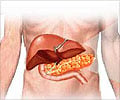
Alcoholic Liver Disease - Causes Symptoms Diagnosis Treatment FAQs
Encyclopedia section of medindia gives general information about Alcoholic Liver Disease.
Encyclopedia section of medindia gives general information about Alcoholic Liver Disease.
Non-excessive drinkers may have consumed alcohol, but did so at levels below those used to define excessive drinking. Overall, about 1 in 5 U.S. adults were classified as excessive drinkers, and about 1 in 3 were classified as non-excessive drinkers. About 45% of U.S. adults were non-drinkers, who would not be affected by an alcohol tax increase.

Alcohol Use Disorder | Alcoholism
Alcohol use disorder or alcoholism is an inability to control drinking. It can cause short term and long term physical, as well as psychological effects on the patient.
Alcohol use disorder or alcoholism is an inability to control drinking. It can cause short term and long term physical, as well as psychological effects on the patient.
"It is our hope that we can use this valuable information to educate policymakers and inform evidence-based public health practice to reduce excessive alcohol use and related harms," Naimi said. "It could also reduce the gap between the amount we pay in alcohol-related costs compared to the amount of revenue generated from alcohol taxes."

Bubbles and Brews - Alcohol Facts-Nutritive Value-Safe Intake-Effects-Famous Quotes
There is more to alcohol than mere intoxication. Infamous because of its social abuse but indispensable because of its many industrial applications.
There is more to alcohol than mere intoxication. Infamous because of its social abuse but indispensable because of its many industrial applications.
Source-Eurekalert
 Email
Email