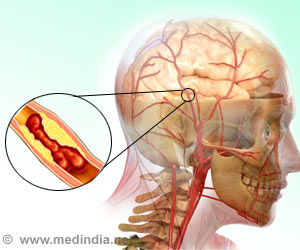

Regulatory System in Ulcer-Causing Bacteria That Controls Biofilm Formation
A regulatory system in the ulcer - and stomach cancer-causing bacteria, Helicobacter pylori, that can become resistant to antibiotics, has been discovered.
A regulatory system in the ulcer - and stomach cancer-causing bacteria, Helicobacter pylori, that can become resistant to antibiotics, has been discovered.
‘Nickel is the evolutionary key that allows the Helicobacter pylori bacterium to survive the acidic conditions of the stomach.’
Tweet it Now
Nickel is in fact the evolutionary key that allows the pathogen to survive the very acid conditions of the stomach. This metal is a cofactor of two essential proteins, one of which is urease, an enzyme that neutralizes gastric acid. Therefore, to colonize the stomach, the pathogen needs an efficient nickel transport system.
By examining the bacterium's entire genome, the research team identified a new nickel transporter that appears to be essential for the metal acquisition. Once inside the bacterial cell, nickel regulates the synthesis of urease, which in turn neutralizes the acid from the stomach.
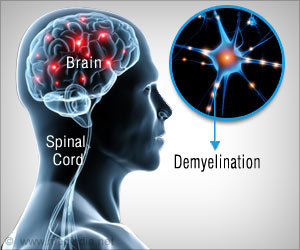
Women With Helicobacter Infection are Less Prone to Multiple Sclerosis
Women infected with the bacteria were less likely to have Multiple Sclerosis, reports a recent study.
Women infected with the bacteria were less likely to have Multiple Sclerosis, reports a recent study.
Metals are often key players during bacterial pathogenesis. It is the case for many other microorganisms, including pathogenic strains of Escherichia coli, in which iron plays a major role in its ability to infect the host.
Advertisement

Why Men Are At Increased Risk For Developing Stomach Cancer
Researchers from the Massachusetts Institute of Technology (MIT) have discovered why men are at increased risk for developing stomach cancer.
Researchers from the Massachusetts Institute of Technology (MIT) have discovered why men are at increased risk for developing stomach cancer.
Further genetic studies should enable researchers to identify other genes that have been dropped or acquired through evolution, giving microorganisms the characteristics they need to colonize their hosts and cause disease.
Advertisement
Treating H. Pylori Infection With Anti-Ulcer Drug can Prevent Gastric Cancer
Combining antibiotics with gastric acid suppressors given for one to two weeks prevented the development of gastric cancer compared with placebo or no treatment.
Combining antibiotics with gastric acid suppressors given for one to two weeks prevented the development of gastric cancer compared with placebo or no treatment.
Source-Eurekalert