MEDINDIA
 English
 हिन्दी
 Español
 français
 中文
中文
Neurons in the prefrontal cortex of autistic people demonstrate changes at numerous sites across the genome, a study published.


Autism Causes, Symptoms, Diagnosis, Treatment, Prognosis
Autism is a neurodevelopmental disorder typically characterized by impaired social and communication skills combined with repetitive movements.
Autism is a neurodevelopmental disorder typically characterized by impaired social and communication skills combined with repetitive movements.
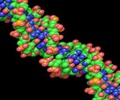
The study searched, on a genome-wide scale, for genes that show an abnormal epigenetic signature - specifically histone methylation. Histones are small proteins attached to the DNA that control gene expression and activity. While genetic information is encoded by the (genome''s) DNA sequence, methylation and other types of histone modifications regulate genome organization and gene expression.
The study found hundreds of loci (the places genes occupy on chromosomes) across the genome affected by altered histone methylation in the brains of autistic individuals. However, only a small percentage - less than 10 percent - of the affected genes were affected by DNA mutations. It remains to be determined whether or not genetic changes elsewhere in the genome contributed to the observed epigenetic changes, or whether non-genetic factors were responsible for the disease process in some of the affected individuals.
Antidepressants In Autism: A Big Question Mark
An article that highlights the harmful effects of antidepressants on children with autism.
An article that highlights the harmful effects of antidepressants on children with autism.

Diet for Autism
Scientific research has been initiated to study the effects of gluten-free, casein-free diet on individuals suffering from autism
Scientific research has been initiated to study the effects of gluten-free, casein-free diet on individuals suffering from autism

Autism and Gastrointestinal Disturbances � Link Established
Recent study reports that children with severe autism are likely to have more severe gastrointestinal symptoms.
Recent study reports that children with severe autism are likely to have more severe gastrointestinal symptoms.
 Email
Email