MEDINDIA
 English
 हिन्दी
 Español
 français
 中文
中文
Biologists have designed a programmable genetic 'circuit' which is capable of rewiring cells to respond on demand to any signal desired.

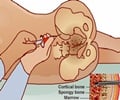
Bone Marrow Aspiration and Biopsy-Indications-Common Sites-Performed-Risks-FAQs
Bone marrow biopsy and aspiration is the removal of some bone marrow tissue for diagnosis and management of cancers of blood cells and multiple myeloma.
Bone marrow biopsy and aspiration is the removal of some bone marrow tissue for diagnosis and management of cancers of blood cells and multiple myeloma.
One version of the circuit makes human cells susceptible to an antiviral drug - but only if they are making abnormal amounts of a protein implicated in cancer.
To test their circuit, the researchers stimulated human cells to produce extra beta-catenin - as if they were cancer cells - then treated them with ganciclovir. Cells that contained the circuits were killed by the drug.

Cell-hacking circuits are years away from the clinic, but Smolke thinks they could eventually be combined with other experimental treatments to control where and when they act within the body.

Blood Groups
The blood group of a person is determined by the presence or absence of certain inherited antigenic substances and certain acquired antibodies in blood.
The blood group of a person is determined by the presence or absence of certain inherited antigenic substances and certain acquired antibodies in blood.
The study is published in Science.
 Email
Email