MEDINDIA
 English
 हिन्दी
 Español
 français
 中文
中文
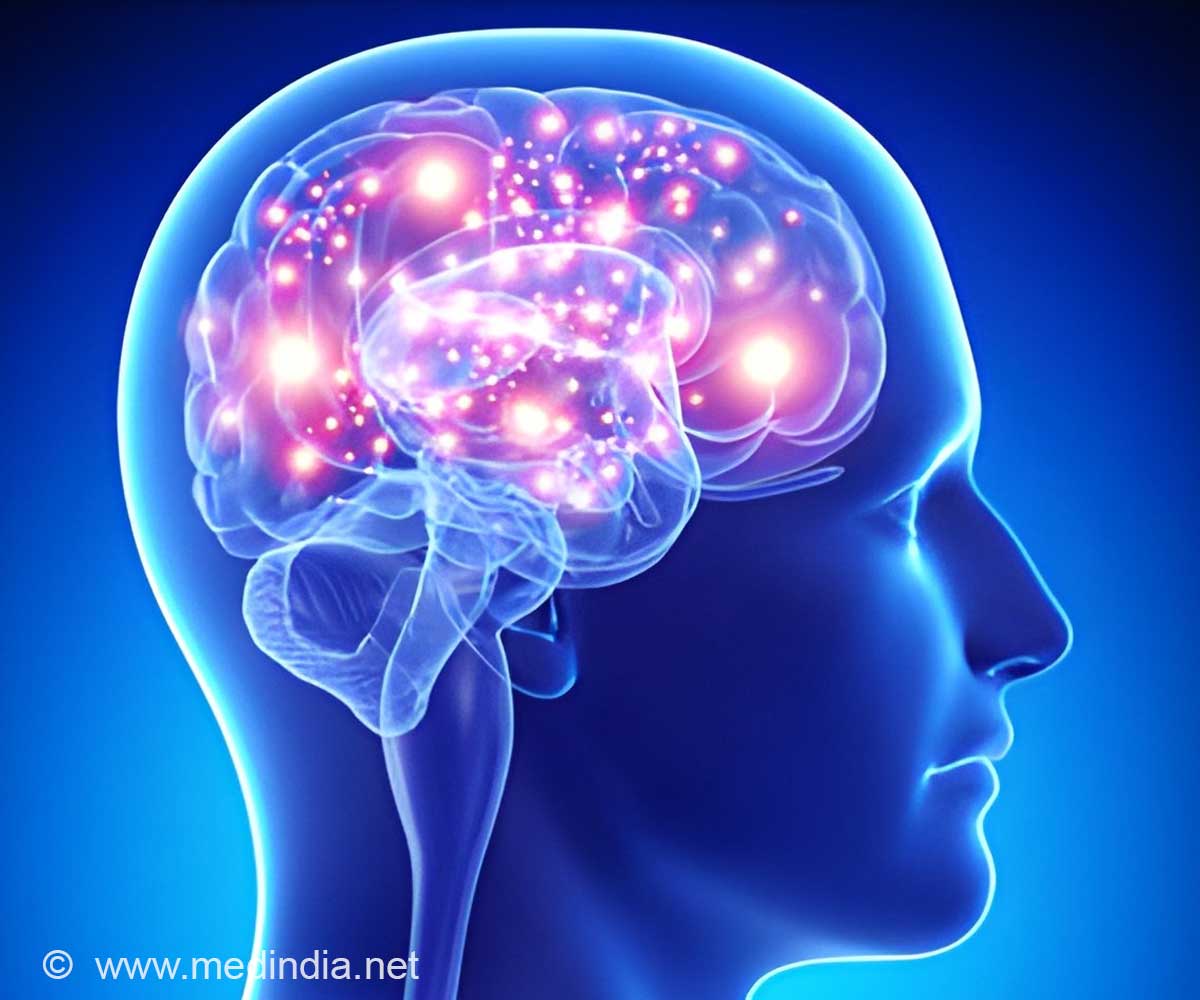
Absence seizures (AS) are brief epileptic events characterized by loss of awareness with subtle motor features. Brain activity is perturbed between seizures.
Genetic Basis Found for Drug Response in Childhood Absence Epilepsy
NIH-funded research suggests genes may help determine optimal treatments.
NIH-funded research suggests genes may help determine optimal treatments.
TOP INSIGHT

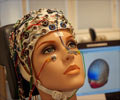
An EEG is done to look for possible seizure activity. Often the child will be asked to hyperventilate for 3 to 5 minutes. This very quick breathing can trigger an absence seizure in over 80% of children with Childhood absence epilepsy.
Jeffrey Noebels and his team at Baylor College of Medicine in Houston, Texas used two genetic mouse models of absence epilepsy and compared them to unaffected mice. Researchers found that the abnormality in brain activity happens both before and after the medication. Although human studies have linked these abnormalities with attention deficits. Researchers did not specifically perform any behavioural tests in the mice.
However, they cannot conclude that the abnormalities cause deficits in attention. The behavioral studies in mice and humans, the abnormalities could then be treated in parallel with seizures. This seems as remedy for childhood absence epilepsy patients. Atul Maheshwari, author of this research said, "We plan to evaluate whether the abnormalities we found are associated with deficits in attention in these and other mouse models.
Absence Epilepsy on The Rise Among Children
Absence Epilepsy accounts for 4 out of 50 people with epilepsy and is curable as most of the children suffering from the disease respond to treatment.
Absence Epilepsy accounts for 4 out of 50 people with epilepsy and is curable as most of the children suffering from the disease respond to treatment.
Source-ANI

Epilepsy Successfully Treated Through High-fat Diets
Two high-fat diets, the ketogenic and the Atkins, can successfully treat epilepsy seizures in children, a recent research study has shown.
Two high-fat diets, the ketogenic and the Atkins, can successfully treat epilepsy seizures in children, a recent research study has shown.

Altered Brain Networks can Generate Seizures in People With Epilepsy
Epilepsy has many possible causes, including illness, brain injury, and abnormal brain development. In many cases, the cause is unknown.
Epilepsy has many possible causes, including illness, brain injury, and abnormal brain development. In many cases, the cause is unknown.
 Email
Email