MEDINDIA
 English
 हिन्दी
 Español
 français
 中文
中文
Epilepsy has many possible causes, including illness, brain injury, and abnormal brain development. In many cases, the cause is unknown.
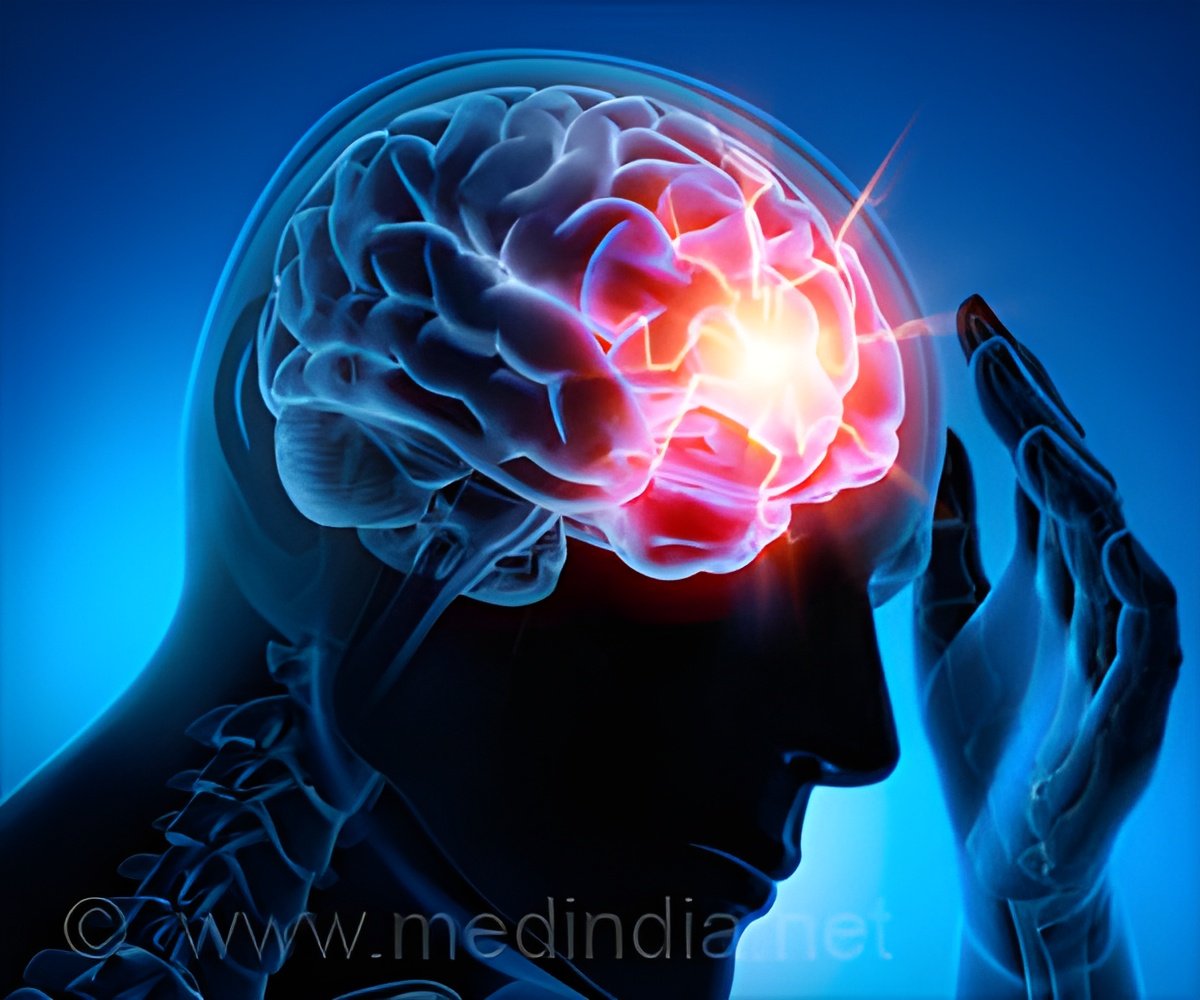

Experts Still Trying to Make Sense of How Seizures Start and Spread
Epilepsy is a fairly common neurological disorder that affects 50 million people around the world. In the United States, it affects about 3 million people.
Epilepsy is a fairly common neurological disorder that affects 50 million people around the world. In the United States, it affects about 3 million people.
TOP INSIGHT

Anyone can develop epilepsy, but it’s more common in young children and older adults. It occurs slightly more in males than in females.
The new research is published in leading scientific journal, PLOS Computational Biology on August 17 2017.
Epilepsy, which affects around 1 in 100 people worldwide, is predominantly treated by a range of medications. However, in around a third of cases people do not experience adequate seizure control through drugs and alternative therapies are sought. In some instances surgery is an option, however long-term seizure freedom is only achieved in around 50% of cases.
Why Do Seizures Occur More Often in Those With Psychiatric Disorders?
The reticular thalamus which filters information is found to have two types of neurons each with distinctive properties, roles, and locations.
The reticular thalamus which filters information is found to have two types of neurons each with distinctive properties, roles, and locations.
Dr Marinho Lopes, a Research Fellow at the University of Exeter funded by the Medical Research Council and lead author of the research said: "What is truly exciting about our findings is that common network forms appear to underpin the generation of seizures and we can now identify the specific brain regions involved in forming those networks for different individuals providing optimised surgical strategies."

Can Intake of Marijuana Compound Cut Seizures in Rare Epilepsy Disorder?
When patients who suffer from severe epilepsy disorder are given marijuana compounds, there might be a reduction in the frequency of seizures suffered by a person.
When patients who suffer from severe epilepsy disorder are given marijuana compounds, there might be a reduction in the frequency of seizures suffered by a person.
The researchers then demonstrated mathematically that targeting these "rich-clubs" through removing well connected nodes would result in fewer seizures occurring. Returning to the clinical data they found evidence to support their mathematical observations: when surgery removed a greater proportion of the 'rich-club', people experienced fewer or no seizures long-term.
This Wristband Will Help You Detect Possible Seizures
A wristband developed by a MIT Engineer can now detect changes in the human behavior, brain, especially during seizures caused by epilepsy.
A wristband developed by a MIT Engineer can now detect changes in the human behavior, brain, especially during seizures caused by epilepsy.
An optimal strategy for epilepsy surgery: Disruption of the rich-club? Is published in PLOS Computational Biology.
Source-Eurekalert
 Email
Email