MEDINDIA
 English
 हिन्दी
 Español
 français
 中文
中文

A major UK study finds eating disorders are rising among teens, affecting girls, boys, and gender-diverse youth across all backgrounds.
Highlights:
Eating disorders aren’t just about food — they reflect how young people see themselves, cope with pressure, and deal with body image.
A major UK study has raised alarm bells, showing that about one in four girls and one in ten boys aged 12–15 met the threshold for displaying symptoms of an eating disorder (ED)—revealing how deeply social and emotional pressures cut across every group (1✔ ✔Trusted Source- Eating disorders affect all teens, not just girls
- Gender-diverse youth and those from poor areas are most at risk
- Early screening and inclusive care are vital for prevention
Who is really at risk of eating disorders? New UK study reveals overlooked groups
Go to source).
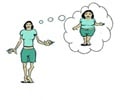
Anorexia Nervosa - Types Complications Causes Treatment FAQs
Anorexia nervosa is an eating disorder most commonly found among teenage girls. Anorexia nervosa is characterized by a very low body weight, generally defined as 15% below the Body Mass Index.
Anorexia nervosa is an eating disorder most commonly found among teenage girls. Anorexia nervosa is characterized by a very low body weight, generally defined as 15% below the Body Mass Index.
TOP INSIGHT

Did You Know?
Nearly 1 in 4 girls and 1 in 10 boys in the UK show signs of #eatingdisorders—and rates are rising fast. #mentalhealth #anorexia #medindia
Eating Disorders: What You Need to Know
Eating disorders are not a choice. These disorders can adversely affect a person’s physical and mental health, and in some cases, they can be life-threatening. With treatment, however, people can recover from eating disorders.Common types of eating disorders include:
- Anorexia nervosa: People with anorexia nervosa severely avoid or restrict food intake because of a distorted self-image or an intense fear of gaining weight. They may see themselves as overweight, though they are underweight. Some people with anorexia nervosa may also have binge eating and purging episodes.
- Binge-eating disorder: Individuals with binge-eating disorder frequently eat abnormally large quantities of food and lose control over their eating. Obese or overweight people frequently suffer from binge-eating disorder.
- Bulimia nervosa: Bulimia nervosa patients frequently binge eat, followed by undesirable habits such as forced vomiting or laxative usage to avoid gaining weight. Bulimia nervosa patients may be overweight or maintain an ordinary weight.
- Avoidant Restrictive Food Intake Disorder (ARFID): People with avoidant restrictive food intake disorder (ARFID) limit the amount and variety of foods they eat because they are anxious, afraid of choking or vomiting, or disgusted by the texture or appearance of food. People with ARFID frequently have low body weights.

Test Your Knowledge on Eating Disorders
Eating disorders are more of a psychiatric disorder that cause severe disturbances to a person's eating behaviors due to obsessions with food, body weight, and ...
Eating disorders are more of a psychiatric disorder that cause severe disturbances to a person's eating behaviors due to obsessions with food, body weight, and ...
Beyond the Mirror: Who’s Really Affected?
Eating disorders have always been highlighted for girls. But this new research shows that no teen group is immune. The study included 7,434 teenagers aged 12 to 15; the results obtained were| Sex | Percentage Affected |
|---|---|
| Girls | 23.5% |
| Boys | 10.7% |
| Gender-diverse youth | 37.9% |
White girls reported more issues with body image than Asian or Black girls. Surprisingly, Asian, Black, and mixed-ethnicity boys outperformed White boys in terms of ED symptoms.
The gender-diverse group was at the greatest risk, and nearly four out of ten had severe symptoms of eating disorders, highlighting the psychological costs of social stigma, body dysphoria, and discrimination.
The recorded patterns reveal how society influences the standards of beauty; in the case of girls, being thin, and for boys, being muscular, are considered normal by society’s standards.

Quiz on Anorexia / Bulimia
Anorexia Nervosa – is it a psychological disorder , or simply an eating disorder gotten out of hand? And how does it differ from Bulimia Nervosa? Participate in our anorexia quiz to find out how well you understand this condition; learn its ...
Anorexia Nervosa – is it a psychological disorder , or simply an eating disorder gotten out of hand? And how does it differ from Bulimia Nervosa? Participate in our anorexia quiz to find out how well you understand this condition; learn its ...
The Hidden Link Between Poverty and Eating Disorders
Furthermore, eating disorder symptoms were more prevalent in teenagers from the poorest areas than in those from wealthy neighborhoods.This may seem surprising—but according to experts, social inequality, stress, and limited access to healthful food can all fuel unhealthy eating patterns.
These coping strategies, which include meal skipping and binge eating, usually reflect emotional stress rather than beauty. It reminds us that eating disorders are linked not just to diet culture but also to deprivation and despair.

Anorexia or Bulimia Screening Test
Do you binge-eat secretly most of the time? Or do you feel so guilty after eating that you badly want to self-induce vomiting and get the food out. Check out if you are a victim of eating disorder.
Do you binge-eat secretly most of the time? Or do you feel so guilty after eating that you badly want to self-induce vomiting and get the food out. Check out if you are a victim of eating disorder.
Why Teens Are Most Affected
The most common red flag? Body dissatisfaction.Almost all teenagers wanted to lose weight, and over half of all teens expressed dissatisfaction with their weight or shape, leading to compulsive exercise.
This was more prevalent among boys. Meanwhile, purging behaviors like vomiting or laxative use were less frequent but still worrying, especially among girls from low-income areas.
Breaking The Taboo of Eating Disorder
The research not only dispels the stereotype that eating disorders can only be caused by a few but also highlights the fact that they cut across different races, sexes and backgrounds.A large number of low-income and ethnic minorities may not be identified or treated because of the stigma, cultural taboos, or inability to access specialized treatment.
Heterosexual teens also face certain barriers to receiving help, including misdiagnosis and healthcare discrimination.
Tackling Eating Disorders Through Support and Care
The researchers recommend screening at early stages in schools, culturally competent prevention programmes, and teaching medical staff about better symptom detection in every population. Even in India, there are several organizations and charities to support people struggling with eating disorders, like The MINDS Foundation (2✔ ✔Trusted SourceMental Wellness For All
Go to source)and Sangath (3✔ ✔Trusted Source
Healing Minds. Inspiring Lives
Go to source), etc
How to Help Someone with an Eating Disorder
- Encourage them to seek professional help (doctor, therapist, specialist)
- Offer to go with them or support appointments
- Keep involving them in social activities even if they decline
- Listen without judgement, avoid criticism or advice
- Boost their self-esteem—affirm their worth beyond appearance
- Be patient—recovery takes time and may include setbacks
References:
- Who is really at risk of eating disorders? New UK study reveals overlooked groups - (https://www.news-medical.net/news/20251013/Who-is-really-at-risk-of-eating-disorders-New-UK-study-reveals-overlooked-groups.aspx)
- Mental Wellness For All - (https://www.mindsfoundation.org/)
- Healing Minds. Inspiring Lives - (https://www.sangath.in/)
Source-Medindia
 Email
Email