MEDINDIA
 English
 हिन्दी
 Español
 français
 中文
中文
Smokers who completely substitute conventional cigarettes with commercial e-cigarettes experience dramatic reductions in exposure to harmful chemicals.
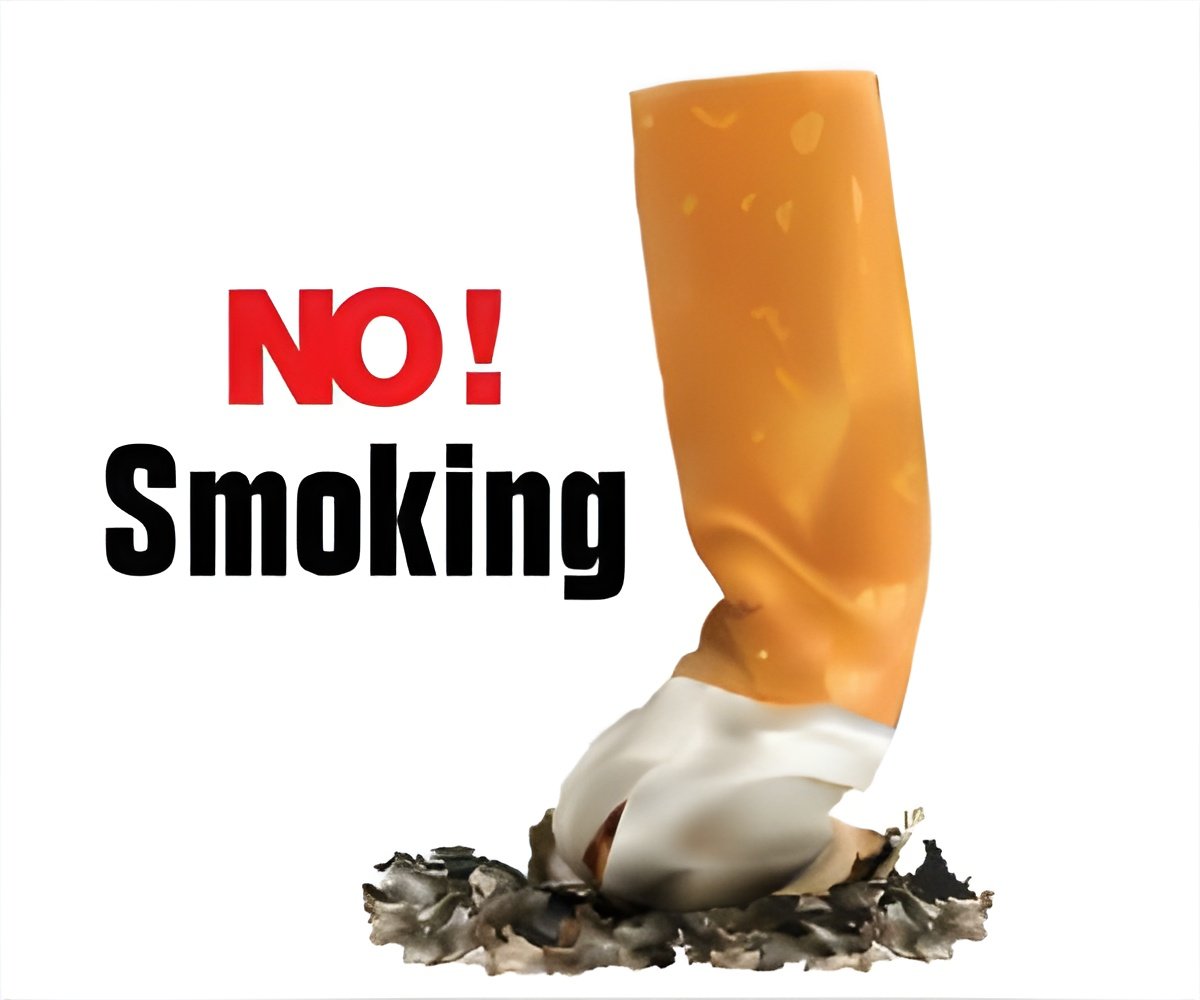

Antioxidants to Help You When You Quit Smoking
Smoking is injurious to health, but it sure is a tough addiction to stop. Cure yourself with the power of antioxidants to eliminate health risks such as lung cancer and dental problems.
Smoking is injurious to health, but it sure is a tough addiction to stop. Cure yourself with the power of antioxidants to eliminate health risks such as lung cancer and dental problems.
TOP INSIGHT

Smokers who completely substitute conventional cigarettes with commercial e-cigarettes experience dramatic reductions in exposure to harmful chemicals, not that dissimilar to complete smoking cessation.
In the blood of both e-cigarette users and smokers who quit, levels of carbon monoxide were reduced by over 75%. Levels of volatile organic compounds such as acrolein, benzene and 1-3-butadiene were reduced by over 80% in both groups. Similarly, levels of tobacco-specific nitrosamines were reduced by 66% to 98% in the cessation group, and 62% to 93% in the e-cigarette group.
"Interestingly, when it came to the dual use group who halved their self-reported daily cigarette consumption of tobacco cigarettes by using e-cigarettes, we also saw reductions in exposure to HPHCs that were broadly proportional to the reduction in number of cigarettes smoked," said O'Connell. "The findings support earlier research conducted by Fontem Ventures which showed that e-cigarette vapor is over 95% less toxic than smoke from a cigarette, contains over 95% less HPHCs, and does not negatively impact indoor air quality, unlike conventional cigarette smoke."

Smoking among Women / Rise in Tobacco Usage in Women
Tobacco use in women is on the rise. The health risks of tobacco are far too many has never done a woman any good psychologically or health-wise.
Tobacco use in women is on the rise. The health risks of tobacco are far too many has never done a woman any good psychologically or health-wise.
Fontem Ventures is currently conducting - and will continue to conduct - further clinical and scientific research to understand whether or not reduced exposure to HPHCs translates into changes in some of the short-term health indicators associated with being harmful, or potentially harmful, to human health.

Smoking and Cancer - Causes - Passive Smoking - FAQs - Video
Smoking is the most important preventable cause of cancer in the world.
Smoking is the most important preventable cause of cancer in the world.

Cigarette Smoking - A Silent Killer-Facts, Passive Smoking & How to Quit
Smoking kills the smoker silently, pushing him towards serious illnesses, which slowly lead to death.
Smoking kills the smoker silently, pushing him towards serious illnesses, which slowly lead to death.
 Email
Email