MEDINDIA
 English
 हिन्दी
 Español
 français
 中文
中文
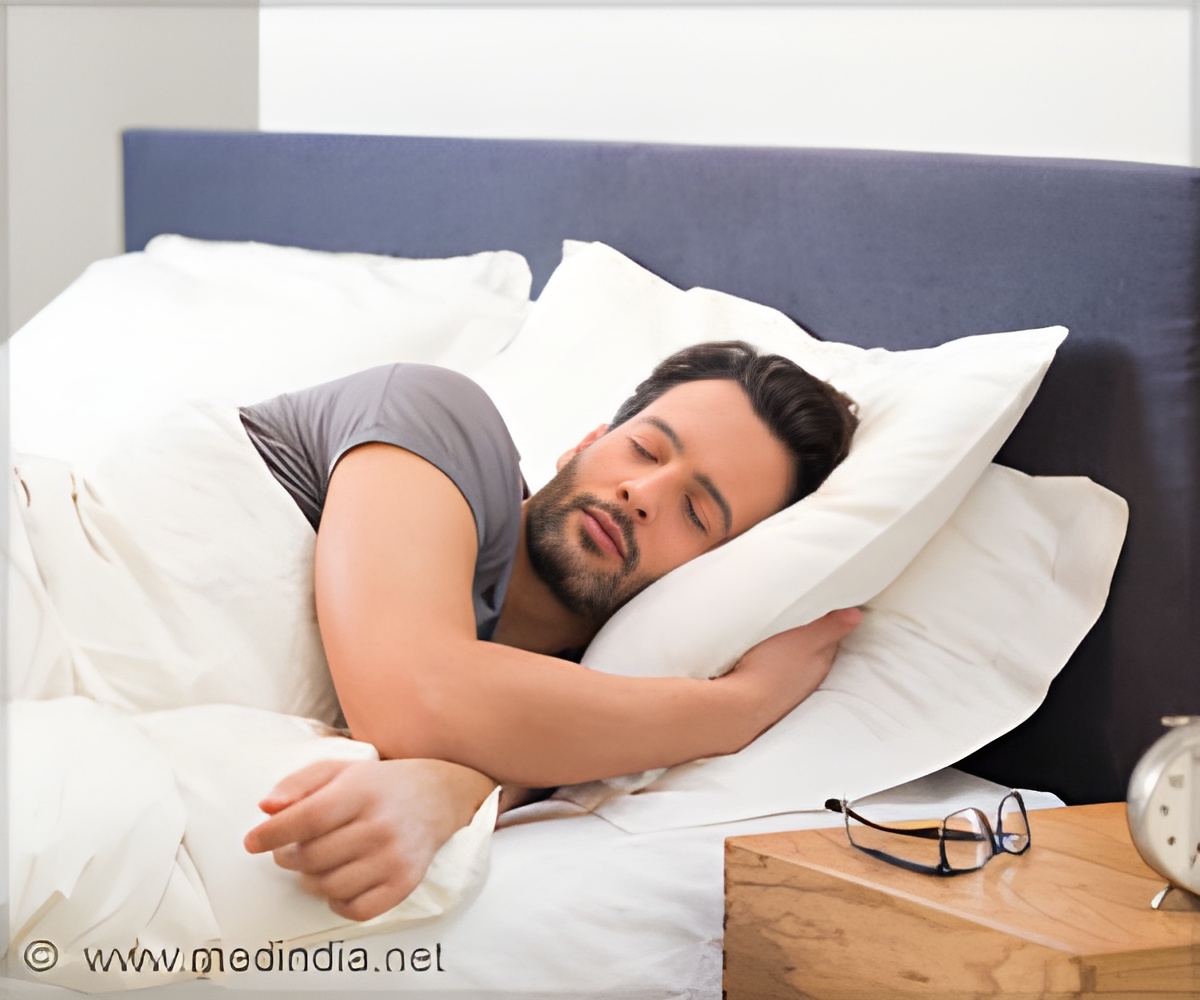
Brain can suppress information from the outside world, such as the sound of a conversation, during the sleep phase tied to dreaming. This ability may be one of the protective mechanisms of dreams, reports a new study.

Sleep Disorders: A Prelude
Sleep disorders include difficulty falling/staying asleep, falling asleep at inappropriate times, excessive sleep or abnormal behaviors associated with sleep.
Sleep disorders include difficulty falling/staying asleep, falling asleep at inappropriate times, excessive sleep or abnormal behaviors associated with sleep.
TOP INSIGHT

An informative speech is selectively processed over meaningless speech during REM sleep.
Dreams mostly occur during what is known as REM sleep, since the brain is somehow in a waking state during this phase of sleep, showing brain activity similar to that when a person is awake. The body, on the other hand, is paralyzed, although not entirely. During certain phases of REM sleep, the eyes continue to move. Research has shown that such movements are related to dreaming.
To study how the dreaming brain interacts with external sounds, the scientists got volunteer sleepers to listen to stories in French mixed with meaningless language. By combining the electroencephalogram with a machine learning technique, they confirmed that, even when the brain is asleep, it continues to record everything that goes on around it (2). They also showed that, during light sleep, the brain prioritizes meaningful speech, just as it does when in the waking state. However, such speech is actively filtered out during eye movement phases in REM sleep. In other words, our sleeping brain can select information from the outside world and flexibly amplify or suppress it, depending on whether or not it is immersed in a dream!

Sleep Eating Disorders Causes Symptoms Diagnosis Treatment
Sleep-related eating disorders are abnormal eating behaviors that occur during night. Sleep related eating disorder is a part of parasomnias.
Sleep-related eating disorders are abnormal eating behaviors that occur during night. Sleep related eating disorder is a part of parasomnias.
Source-Eurekalert
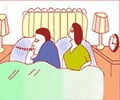
Sleep Talking, Sleep Terrors, Nightmares, sleep, Parasomnias, NREM, deep sleep
Sleep Talking, Sleep Terrors and Nightmares are sleep disorders, that commonly occur in children
Sleep Talking, Sleep Terrors and Nightmares are sleep disorders, that commonly occur in children

About Sleep Disturbances
The physical, emotional and hormonal changes that occur in women during puberty, menstrual cycle, pregnancy, and menopause can cause Sleep Disturbances
The physical, emotional and hormonal changes that occur in women during puberty, menstrual cycle, pregnancy, and menopause can cause Sleep Disturbances
 Email
Email