MEDINDIA
 English
 हिन्दी
 Español
 français
 中文
中文
New study has found a dramatic increase in the number of hospitalizations for children with inflammatory bowel disease during the past decade in the United States.
Irritable Bowel Syndrome – Causes, Diagnosis, Treatment
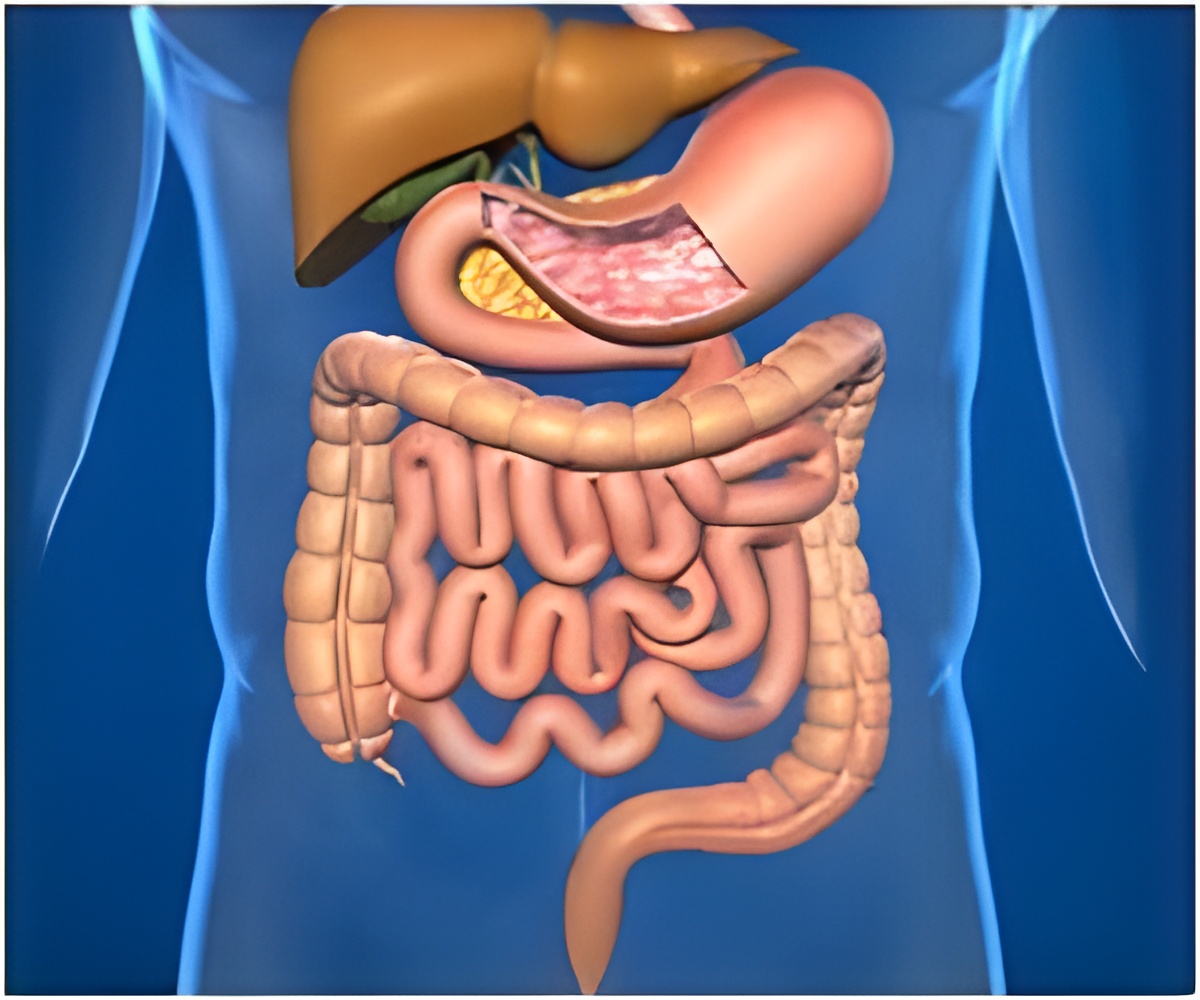
Irritable bowel syndrome (IBS) causes recurrent abdominal pain or discomfort and a fluctuating disturbance in defecation. IBS is not life threatening.
Irritable bowel syndrome (IBS) causes recurrent abdominal pain or discomfort and a fluctuating disturbance in defecation. IBS is not life threatening.
The study looked at more than 11 million hospitalization records of patients 20 years old and younger using a federal children's inpatient database. For the decade, they identified more than 61,000 pediatric discharges with an IBD diagnosis.
According to the study's principal investigator, Thomas J. Sferra, MD, Division Chief of Pediatric Gastroenterology and Nutrition at UH Rainbow Babies & Children's Hospital and Associate Professor of Pediatrics at Case Western Reserve University School of Medicine, this increasing trend was present in each age category and across all geographic regions (Northeast, Midwest, South and West).

E.coli Can Cause Colon Cancer
University of Liverpool researchers accuse a type of E.coli of promoting colon cancer. The pks gene found in these E.coli is believed to be the culprit.
University of Liverpool researchers accuse a type of E.coli of promoting colon cancer. The pks gene found in these E.coli is believed to be the culprit.
The trend found by this nationwide study reflects what appears to be a phenomenon that has been reported for specific regions within the US and for other countries -- Canada, Scotland, and Finland.

Nutritional Treatments as Good Targets of Gut-Central Nervous System Axis
Scientists believe that the underlying cause of gut inflammation and insulin resistance can be tackled by nutritional alterations.
Scientists believe that the underlying cause of gut inflammation and insulin resistance can be tackled by nutritional alterations.
Source-Eurekalert

MR Enterography Found Useful for Screening IBD in Children With Spondyloarthritis
A new study found MR Enterography to be well-tolerated and practical to use amongst children with IBD.
A new study found MR Enterography to be well-tolerated and practical to use amongst children with IBD.
 Email
Email