MEDINDIA
 English
 हिन्दी
 Español
 français
 中文
中文
Dogs were found to sniff out the start of a hypoglycemic episode and as a result, prevent blood sugar levels from dropping dangerously low.
Do Dogs Really Like Hugs?
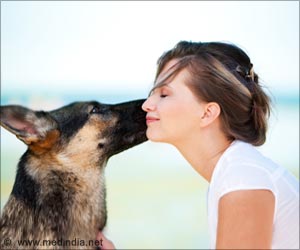
Pet owners beware, a new research has revealed that dogs don’t like hugs from their owners, which can make them more stressed out.
Pet owners beware, a new research has revealed that dogs don’t like hugs from their owners, which can make them more stressed out.
TOP INSIGHT

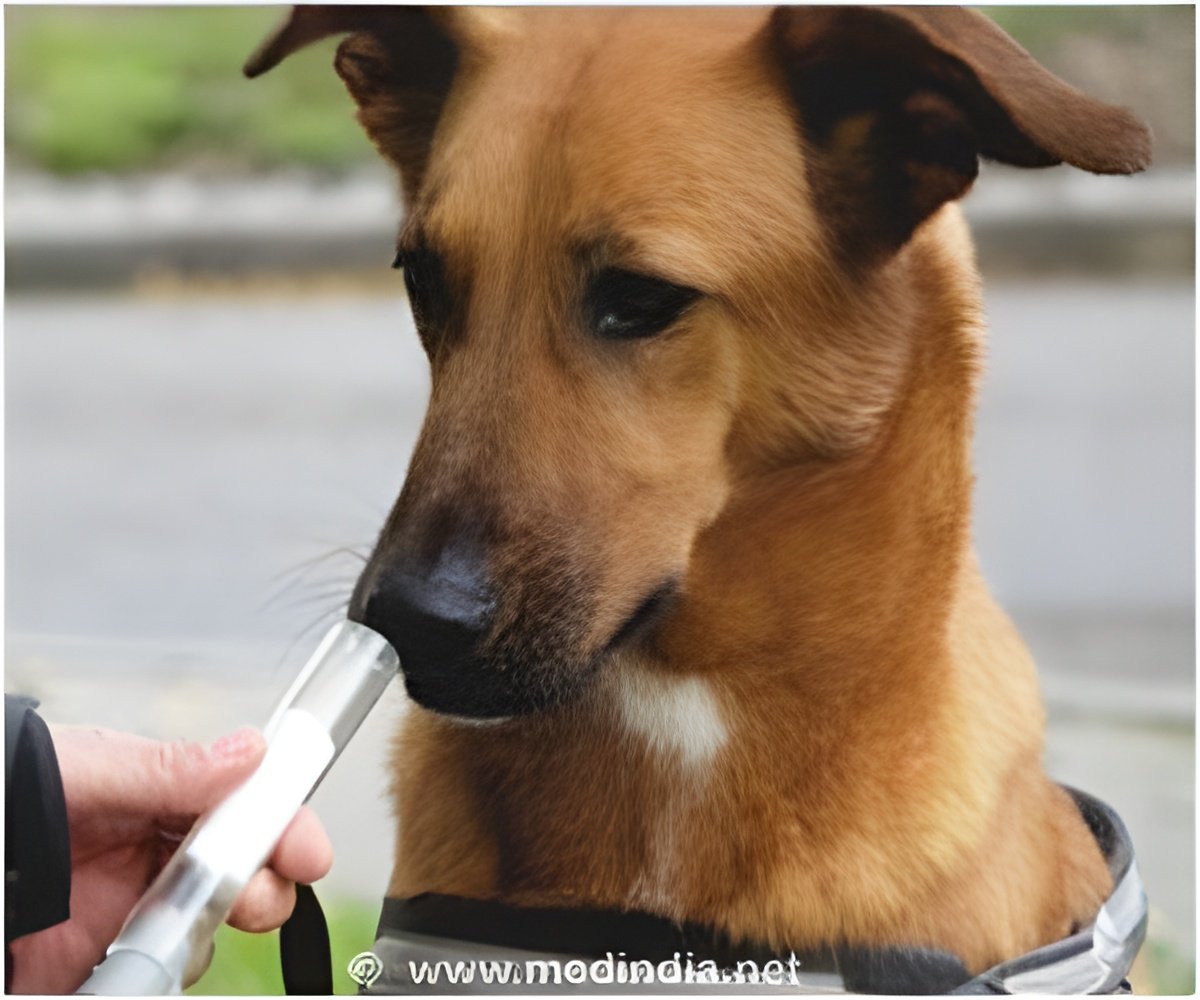
Humans aren't sensitive to the presence of isoprene, but dogs with their incredible sense of smell, find it easy to identify and can be trained to alert their owners about dangerously low blood sugar levels.
Researchers used mass spectrometry to distinguish the presence of chemicals in the women's breath that may change as the blood sugar levels change. Isoprene levels were found to significantly rise during hypoglycaemia. "We suspect it's a by-product of the production of cholesterol, but it isn't clear why levels of the chemical rise when patients get very low blood sugar," Evans added.
Further, dogs were found to sniff out the start of a hypoglycemic episode and as a result, prevent blood sugar levels from dropping dangerously low. "Humans aren't sensitive to the presence of isoprene, but dogs with their incredible sense of smell, find it easy to identify and can be trained to alert their owners about dangerously low blood sugar levels," Evans explained.
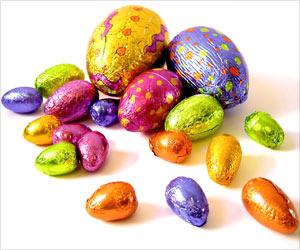
Keep your Dogs Away from Easter Chocolates
Chocolates are toxic to pets, especially dogs. Cocoa contains caffeine and theobromine, substances that lead to chocolate poisoning which can be fatal.
Chocolates are toxic to pets, especially dogs. Cocoa contains caffeine and theobromine, substances that lead to chocolate poisoning which can be fatal.
Source-IANS

Imitation May Be a Common Way of Showing Empathy By Dogs
Mimicking each other's facial expressions is a human habit, which helps people to get along. Dogs too do the same to bond with other dogs.
Mimicking each other's facial expressions is a human habit, which helps people to get along. Dogs too do the same to bond with other dogs.

Seven Test Tube Puppies Make In-Vitro Fertilization a Boon for Dogs Too!
Five proven breeder male dogs (two Labrador, one beagle, and two cocker spaniels) were used as semen donors, where they gave birth to seven healthy puppies.
Five proven breeder male dogs (two Labrador, one beagle, and two cocker spaniels) were used as semen donors, where they gave birth to seven healthy puppies.
 Email
Email