MEDINDIA
 English
 हिन्दी
 Español
 français
 中文
中文
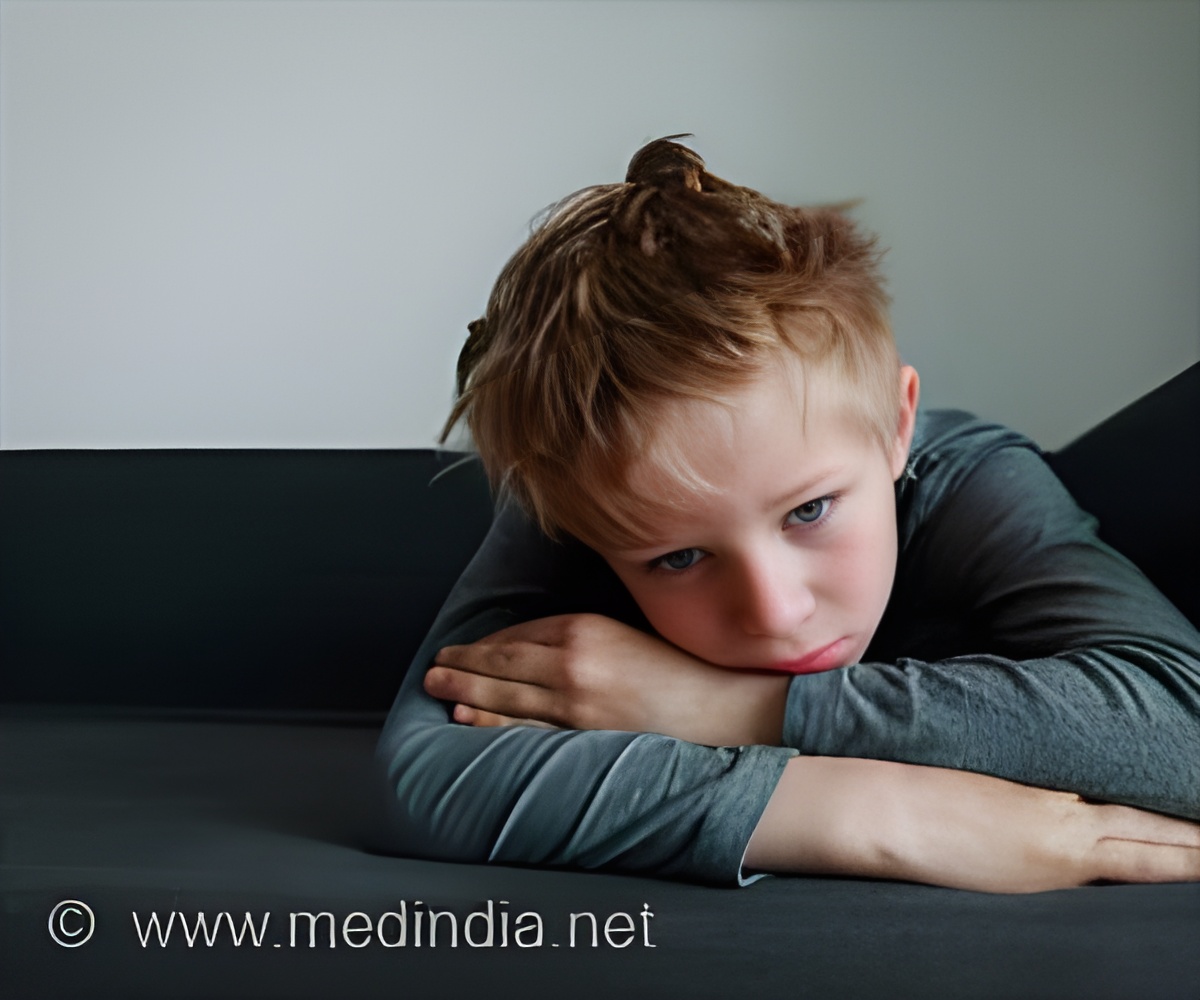
Adolescent boys experience a 50% increase in depressive symptoms than peers who did not lose their loved ones.
Death, Grief and Teen Depression
Ashton Verdery, Harry and Elissa Sichi, Early Career Professor of Sociology, Demography, and Social Data Analytics at Penn State, said the findings suggest that recognizing these experiences as a risk factor for teen depression could help identify opportunities to intervene and prevent additional detrimental events, such as major depressive disorders, dropping out of school, substance use, and criminal justice system involvement, among others.
Adolescent Depression - Causes - Affects - Depressed Teens - Treatment - FAQs
Adolescent depression is an ailment that occurs during the teenage characterized by persistent melancholy, disappointment and loss of self-esteem.
Adolescent depression is an ailment that occurs during the teenage characterized by persistent melancholy, disappointment and loss of self-esteem.
TOP INSIGHT

Early identification of depression in teens can prevent further detrimental events, like dropping out of school, substance use, major depressive disorders (MDD) and criminal justice system involvement.
The study was recently published in the journal SSM - Mental Health.
Along with co-authors Michelle Livings and Emily Smith-Greenaway from the University of Southern California and Rachel Margolis from the University of Western Ontario, Verdery has been studying how bereavement — or experiencing the death of a loved one — has increased during the COVID-19 pandemic and how those losses affect people’s health.

Clinical Depression - Causes Symptoms Diagnosis Treatment FAQ
Clinical Depression is a serious medical condition that affects majority of people at some point in their lives. Symptoms of clinical depression include sleep disorder, loss of appetite.
Clinical Depression is a serious medical condition that affects majority of people at some point in their lives. Symptoms of clinical depression include sleep disorder, loss of appetite.
“This was surprising because such deaths are the most common type of bereavement teenagers will face, and there are several reasons that suggest these experiences can be detrimental,” Verdery said. “This might be especially true for those who live with single parents, are lower-income, or are from Black and Hispanic populations where co-residing with grandparents and other forms of frequent interactions with grandparents are more common, which is why we focused on this population.”

Depression - Symptom Evaluation
Depression occurs due to alterations in the levels of neurotransmitters in the brain.
Depression occurs due to alterations in the levels of neurotransmitters in the brain.
“Not only have youth faced school closures, social distancing, and subsequent isolation since the pandemic started, but millions are also grieving a grandparent,” Livings said.

Herbs that Reduce Anxiety and Depression
Read on to find out which herbs and herbal products are useful and effective in treating the chronic and recurring disorders such as anxiety and depression.
Read on to find out which herbs and herbal products are useful and effective in treating the chronic and recurring disorders such as anxiety and depression.
For the study, the researchers analyzed data gathered from 4,897 primarily low-income children and their parents at several checkpoints throughout the children’s childhood and adolescence. Of these participants, 3,086 were followed from ages 9 to 15, the period of time the authors examined in this study. Data included information on depressive symptoms in both adolescents and their mothers, the adolescents’ genders and whether they experienced the death of a grandparent during the study.
Verdery said more research needs to be done on why the death of a grandmother has this effect, but not the death of a grandfather. He said it’s possible that the death of a grandfather also can affect adolescents but in different ways.
“We haven’t yet examined whether ‘acting out’ behaviors like school suspension or criminal justice system involvement can be predicted by these deaths, but it’s possible that a grandfather’s death could have a larger role in those outcomes,” Verdery said. “This could especially be true for boys, since grandfathers can sometimes act as male role models, especially in lower-income communities beset by high rates of incarceration and related challenges.”
Smith-Greenaway also noted that gender socialization may explain boys’ unique vulnerability to these losses. Even though adolescent girls are more likely to experience depression, they tend to have more peer support and are socialized to grieve in more outward expressive ways, whereas adolescent boys may feel pressure to internalize their emotions to avoid appearing weak.
Verdery added that future work could help identify the precise reasons why adolescent boys are especially at-risk.
Source-Eurekalert
 Email
Email